Category: Alojamientos

  • Getting your holiday accommodation ready for the off-season: An Opportunity to Shine

    Getting your holiday accommodation ready for the off-season: An Opportunity to Shine

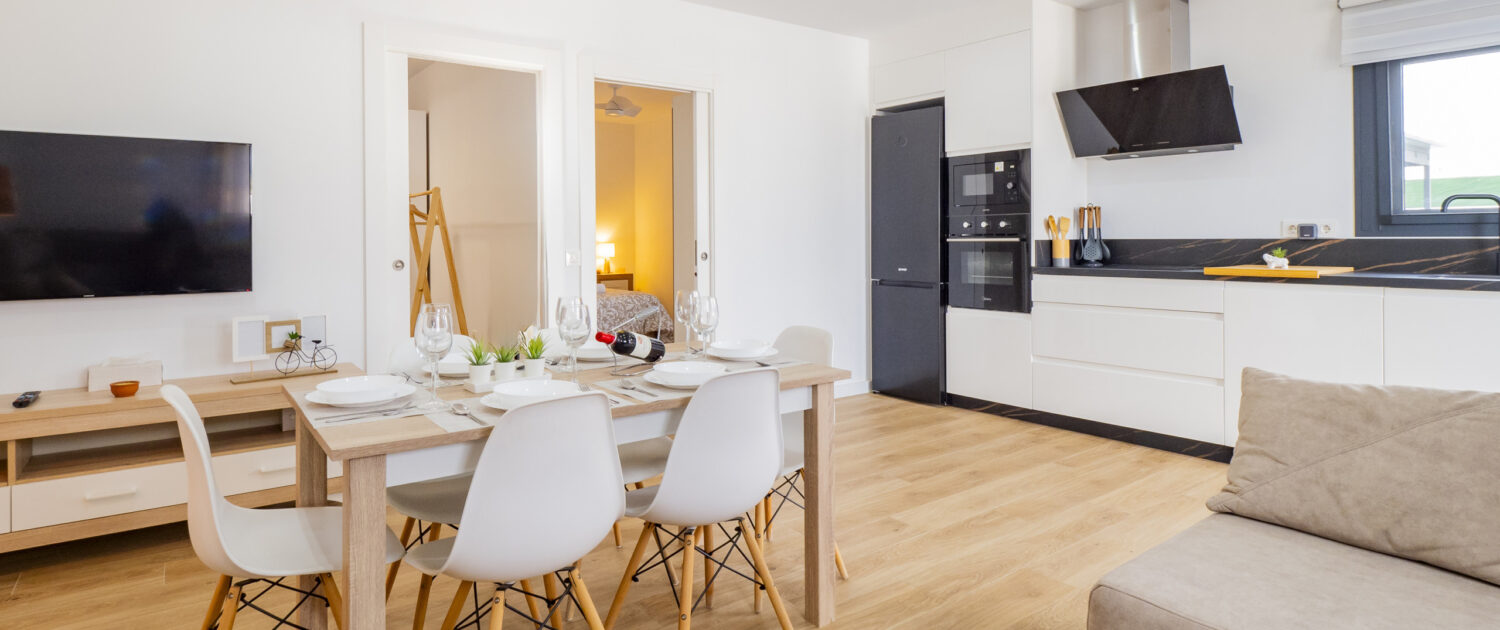
    The low season not only offers a break from the usual hustle and bustle of the high season, but also presents the perfect opportunity to make our properties the best place for guests to stay. Here is a comprehensive guide to making the most of this period.

    Review this season’s bookings and reviews

    The first step in improving your holiday accommodation is to carefully review guest reviews. These comments are a goldmine of information that can help us identify both strengths and areas requiring attention. Do guests mention that the kitchen could be better equipped? Or perhaps the beds aren’t quite as comfortable as they could be? Taking note of these details and planning improvements can make a huge difference.

    Common weak points and how to address them

    1. General Maintenance

    Make sure everything is in perfect working order. This ranges from repairing dripping taps to upgrading old or inefficient appliances. Functionality is key to a good review. Furthermore, regulations require you to provide guests with information and instructions on how to use appliances or other devices that require them for correct operation.

    2. Comfort of the Furniture

    Furniture should be comfortable and in good condition. Invest in good mattresses, sofas and chairs that encourage guests to relax. Remember that medium-firm mattresses are best, so that guests do not find them either too hard or too soft.

    According to the regulations, beds must measure at least 80 × 1.90 cm for single beds and 1.35 × 190 cm for double beds. The property must have a wardrobe or designated space for clothes for every four guests, with an adequate number of hangers.

    Bed bases and mattresses, which must be at least 18 cm thick, must be in good condition and provide a consistent level of support across their entire surface. Also check that the bed linen, blankets or duvets and pillows are in good condition, taking into account the number of occupants in the property, and remember to always have at least one spare set of bed linen.

    3. Deep Cleaning

    Cleanliness is one of the aspects most frequently criticised by travellers. Don’t skimp on this; a thorough clean can greatly improve a guest’s perception of your accommodation.

    4. Technology and Connectivity

    A fast and reliable Wi-Fi connection is essential. Make sure the signal is strong in all areas of the accommodation. Also, check other essential devices that ensure a pleasant stay for the traveller, such as the television, air conditioning units, thermostats, etc.

    5. Accommodation Equipment

    According to regulations, accommodation must have a first-aid kit, as well as smoke detectors installed near the kitchen and a fire extinguisher. The property must also provide tourist information on the local area, leisure facilities, restaurants, shops and food outlets, the nearest car parks, local medical services, public transport links and a map of the town. 

    The kitchen must have at least two hobs, an oven or microwave and a fridge; kitchenware appropriate to the capacity of the accommodation (crockery, cutlery, glassware, frying pans, saucepans, serving cutlery, corkscrew, bottle opener, scissors, can opener and colander); small electrical appliances (mixer, toaster or grill, juicer and coffee maker); storage units; cleaning equipment and a cleaning kit containing at least a scourer, a cleaning cloth, a soft cloth and cleaning gel; bin bags; a clothes horse, an iron and an ironing board; and facilities for the separate collection of waste, with the relevant information provided.

    The bathroom shall be equipped with at least a toilet, washbasin, bath or shower tray, hand soap, shower gel, shampoo, one hand towel and one bath towel per person, non-slip flooring in showers and baths, a washable bath mat, a mirror, towel rails, an extra roll of toilet paper, a toilet brush, a power socket next to the mirror, a shelf, a hairdryer and a waste bin.

    If you own a property used for short-term tourist accommodation listed on different booking platforms, you must have home insurance with included third-party liability cover. This will provide you with the protection you need in the event of incidents in your property that may unintentionally affect third parties, such as accidents, breakdowns or incidents, or fire or water damage to the property.

    6. Details That Make the Difference

    Small details such as providing a local guide to activities, or having board games, books or films available, can make your property stand out. Personalising the space with décor that reflects the local area can also significantly boost the property’s appeal, using colours that inspire calm to create an environment where guests feel at home; we’ll be sharing a more comprehensive list of décor tips on this blog shortly.

    Investing in your property will not only boost guest satisfaction but can also justify higher rental rates and improve long-term occupancy.

    As you implement these improvements, remember that every little detail counts when it comes to turning a pleasant stay into a memorable experience. At Cubo’s Holiday Homes, we’re committed to helping you achieve excellence in each of your properties. Let’s get started and get your holiday homes ready for success! If you have any queries, please don’t hesitate to contact us.

    Not yet a Cubo’s Holiday Homes owner?

    Get in touch so we can help you manage your property! Simply fill in our form: Click here
  • Why choose a holiday rental for your next holiday?

    Why choose a holiday rental for your next holiday?

    Are you planning your next holiday and tired of the same old hotels? It’s time to consider a holiday rental! Holiday rentals offer a unique and personalised experience that you won’t find in a traditional hotel. In this blog, we’ll explain why choosing a holiday rental can completely transform the way you travel, making you feel right at home, even when you’re far from home!

    Tailored to your needs

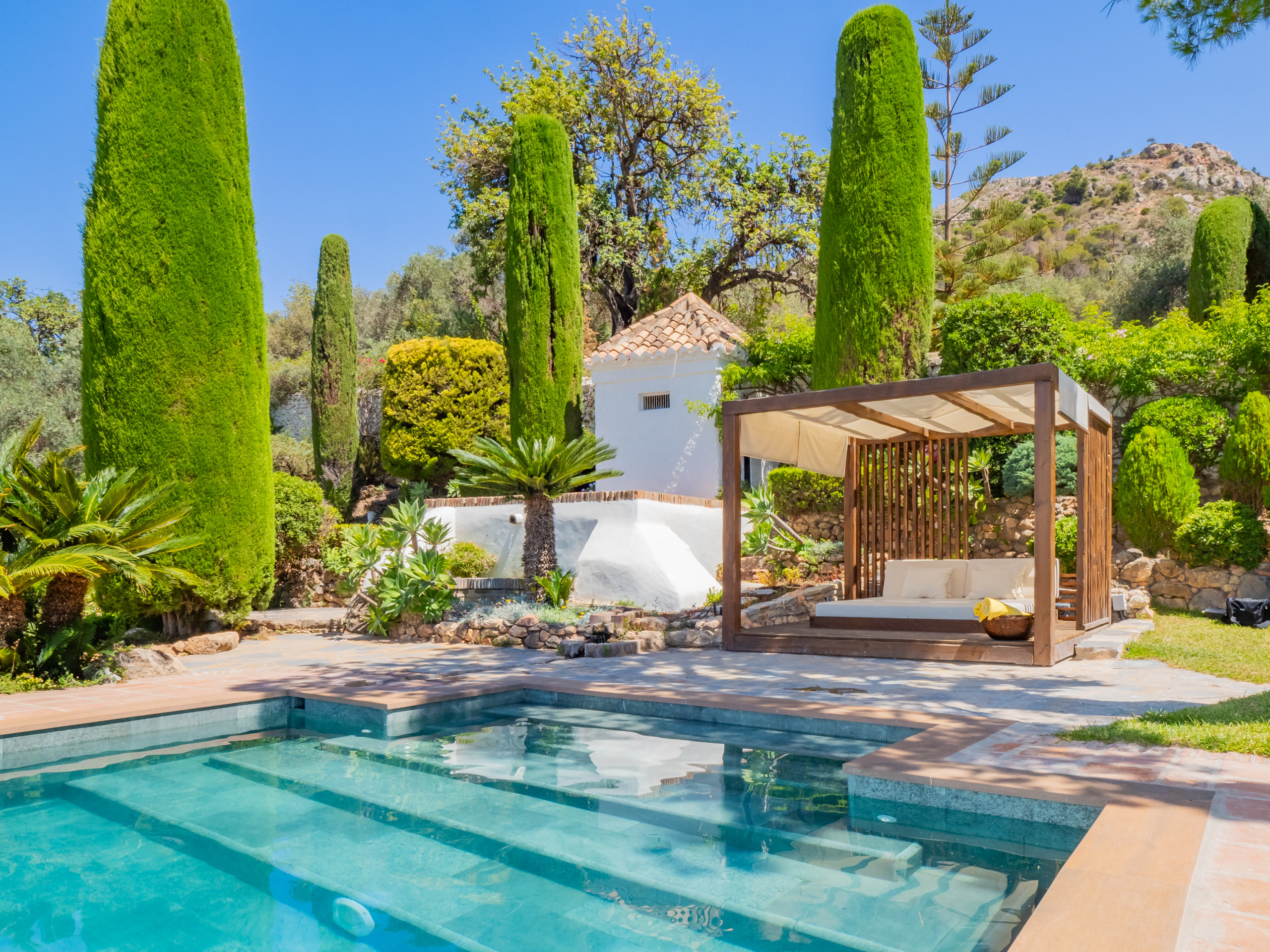
    One of the biggest benefits of holiday rentals is the ability to find a place that perfectly suits your needs and preferences. From cosy studio flats in the heart of the city to luxurious beachfront villas, holiday rentals let you choose the atmosphere and amenities that best suit your lifestyle and that of your family or friends. Do you need a kitchen to cook your own meals or simply more space to relax? A holiday rental has it all.

    Enjoy the local culture at your holiday accommodation

    Staying in a holiday rental allows you to live like a local and experience the destination in a more authentic way. Stroll through local markets, cook with fresh, regional produce and discover hidden gems that are usually off the beaten track for typical tourists.

    The most economical option for groups

    Travelling in a group can be tricky and expensive when it comes to accommodation. Holiday rentals are the perfect solution, offering options that accommodate large groups under one roof. Not only does this make organisation easier and maximise quality time together, but it can also work out cheaper than booking multiple hotel rooms.

    Feel right at home

    Have you ever found yourself in a hotel wishing you had the comforts of home? Holiday rentals often come equipped with washing machines, tumble dryers, fully fitted kitchens and spacious living areas, making your stay more comfortable and convenient. They’re ideal for longer trips and for those who prefer to stick to a daily routine or simply want a more personal and private space.

    Flexibility during your stay

    Unlike hotels, where check-in and check-out times can be rigid, many holiday rentals offer flexibility to suit your travel plans. What’s more, you can enjoy the privacy of your own space without interruptions from cleaning services or noise from other guests, which is a real bonus for those who value peace and quiet and independence.

    Choosing a holiday rental for your next holiday will not only provide you with a place to stay, but also an enriching experience that can be as unique as you are. Whether you’re looking for a romantic getaway, a family retreat or an adventure with friends, a holiday rental is the way to go for a memorable stay.

    So, why not make your next trip a truly homely experience? Explore our range of holiday rentals and pack your bags for your home away from home. Have a great holiday!

    Click here to book your next holiday!
  • Welcome to Holy Week in Málaga

    Welcome to Holy Week in Málaga

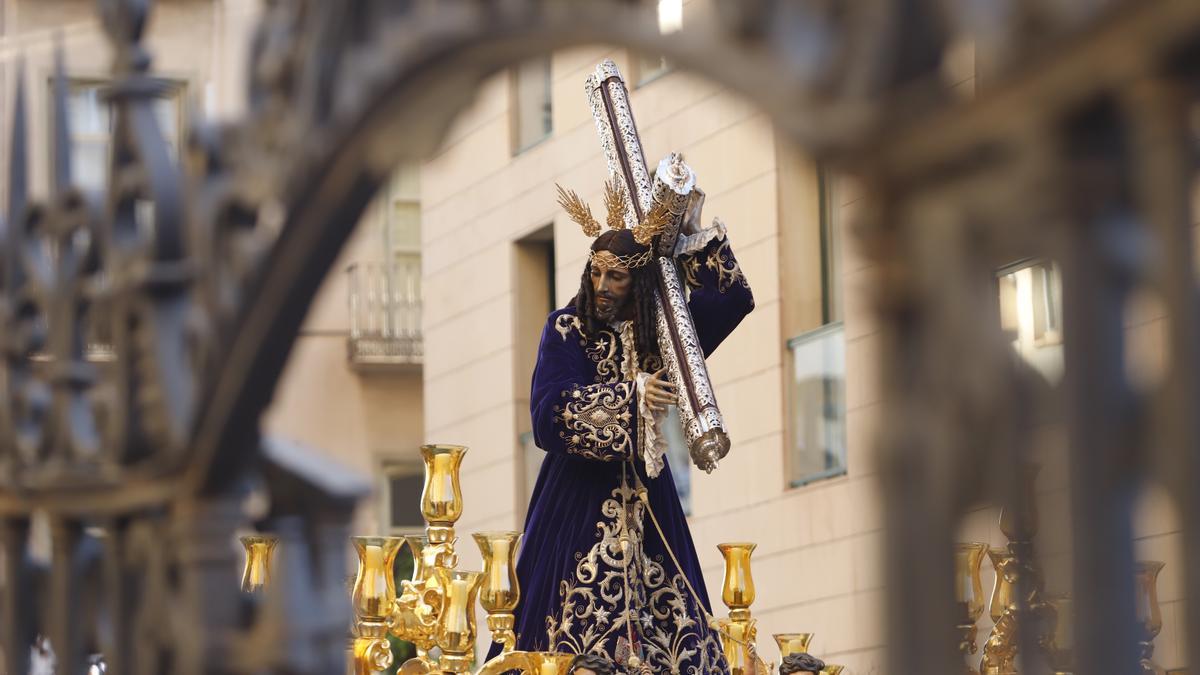
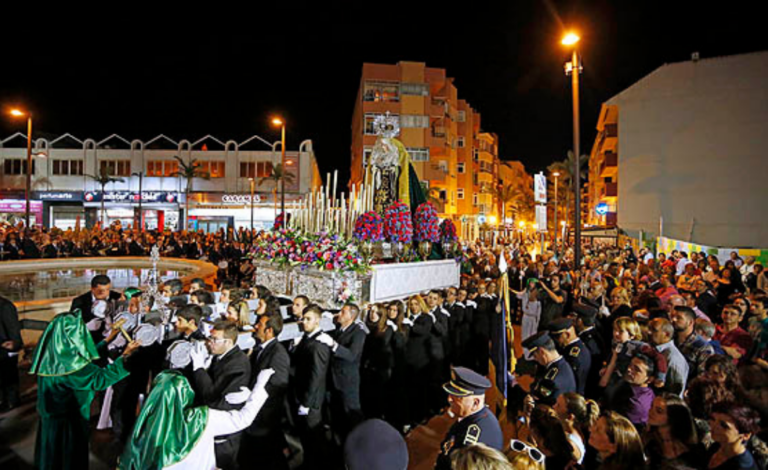
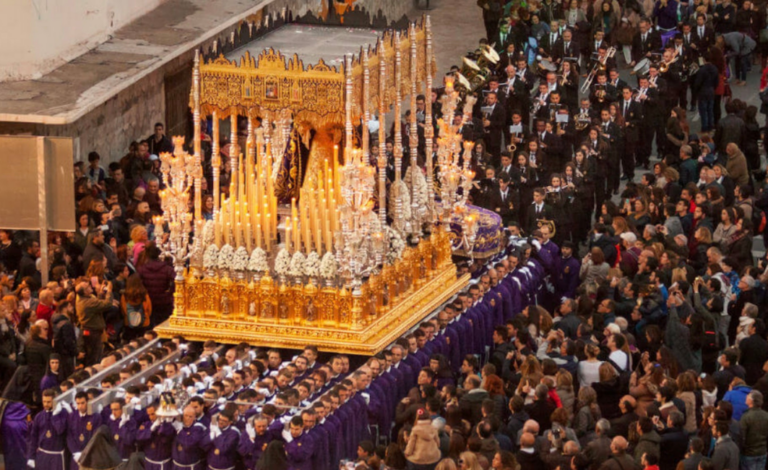
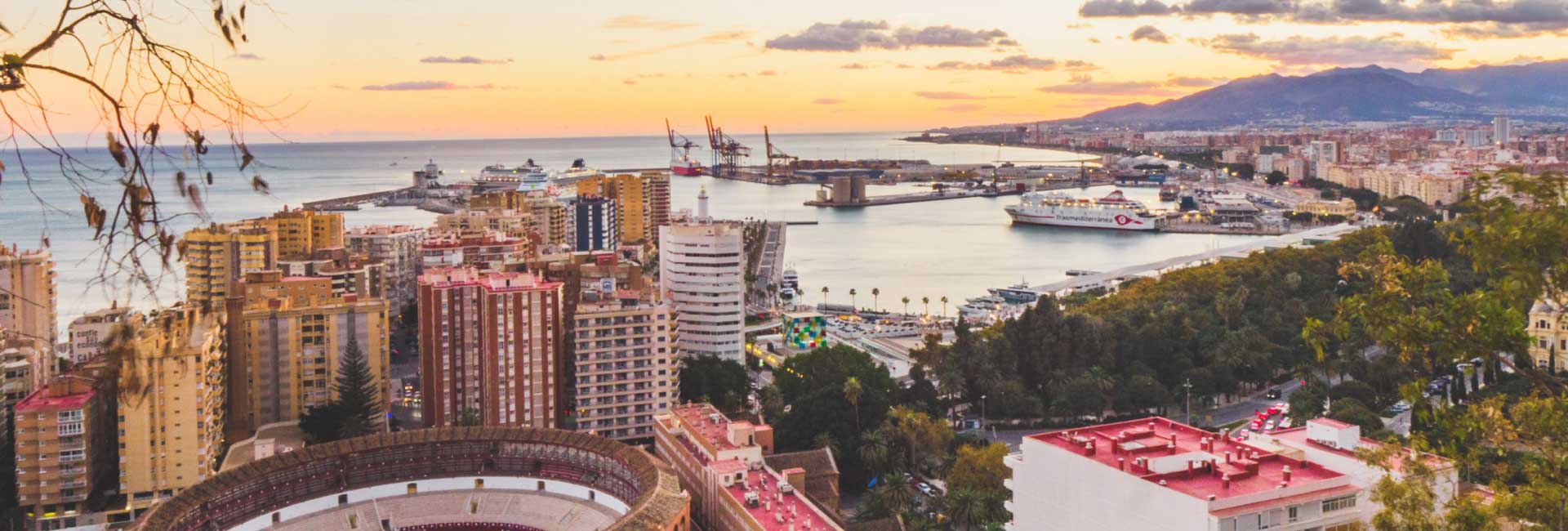
    Holy Week in Málaga is a religious, social and cultural festival celebrated annually in the city with great pomp and devotion. This event, comprising 45 processions, offers a unique experience that completely transforms the atmosphere of the city.

    At the heart of this celebration are the religious brotherhoods, some of which have a history dating back more than five centuries. These brotherhoods lead their patron images in procession from their places of origin along an official route through the historic centre; some even stop at the Cathedral during the penitential procession.

    A distinctive feature of Holy Week in Málaga is the way the thrones are carried, using external poles that require the help of hundreds of people. Furthermore, the processions feature penitents, musicians, altar servers and military units, all of whom are essential elements of the event.

    • Palm Sunday marks the start with nine processions, notably the iconic Pollinica brotherhood in the morning, followed by others such as Dulce Nombre, Humildad y Paciencia, Salutación, Ecce Homo, Salud, and the Virgen de Lágrimas y Favores in the afternoon.
    • Holy Monday is marked by the main procession of Jesús Cautivo (with 4,100 members and 900 Nazarenes) from the Trinidad neighbourhood, accompanied by the popular brotherhoods of the Gitanos and the Estudiantes, as well as the Virgen de los Dolores del Puente.
    • Holy Tuesday is characterised by the procession of the Virgin of El Rocío, known as ‘the Bride of Málaga’, alongside other traditional brotherhoods such as La Estrella, El Rescate and La Sentencia, as well as those of Las Penas and Nueva Esperanza.
    • Holy Wednesday is distinguished by processions of a more traditional nature, such as those of the Cofradías Fusionadas, La Paloma, and Jesús ‘El Rico’ (in this brotherhood, a prisoner charged with minor offences is released during the procession, which takes place entirely in the Plaza del Obispo. The National Police also take part in this procession), ‘La Sangre’, and the sumptuous brotherhood of ‘La Expiración’ (the processions of La Expiración are among the most extensive of all the brotherhoods in Málaga. The participation of the Civil Guard also stands out as one of the distinctive features of their procession), as well as the Mediadora de la Salvación and the Salesianos.
    • Holy Thursday is marked by the procession of La Esperanza, accompanied by others such as La Misericordia, Zamarrilla, La Sagrada Cena, Viñeros, the Congregación de Mena (the Congregación de Mena, whose full official name is the Pontifical and Royal Congregation of the Most Holy Christ of the Good Death and Souls and Our Lady of the Crowned Solitude, the Most Holy Christ of the Good Death is the patron and protector of La Legión, which is why the legion marches alongside the congregation on that Thursday evening) and the Vera Cruz, amongst others.
    • Good Friday is characterised by processions setting out from various historic neighbourhoods, featuring brotherhoods such as La Victoria, La Malagueta, La Trinidad and El Molinillo, and others such as El Amor and Monte Calvario, the Descendimiento, the Soledad de San Pablo and the Piedad, as well as the iconic brotherhood of the Holy Sepulchre.
    • Following a Holy Saturday without processions, Holy Week culminates on Easter Sunday with the procession of the Risen Christ, organised by the Association of Brotherhoods. Each brotherhood offers a unique spectacle at different locations around the city, such as processions and parades, crossing bridges, under the trees of the Alameda, along Calle Larios and at the Cathedral.

    Holy
    Week in Málaga is a true feast for the senses. Imagine walking through the streets whilst the scent of incense envelops you, mingling with the fragrance of fresh flowers. And let’s not forget the salty sea air, which also makes its presence felt. But it’s not just smells that fill the air; the atmosphere is charged with thrilling sounds: from the heavy footsteps of the processional floats to the processional marches that send shivers down your spine, not to mention the shouts of encouragement for the sacred images – all to the rhythm of bands playing music that touches your soul.

    To round off, here’s the itinerary for these days of Passion in the city of Málaga, so you don’t miss a single memorable moment of this great tradition. SEE ITINERARY

    If you’d like to experience it up close, take a look at our accommodation options in the city. CUBO’S HOLIDAY HOMES

    As well as Malaga city centre, all the towns in the province host some fascinating events; the most notable towns are: 

    • Antequera:

    Known as the city of El Torcal, it vigorously preserves its religious brotherhood traditions and boasts a rich cultural heritage. Among its unique features are the ‘hermanucos’, who carry the floats on their shoulders, secured with hairpins, during the processions. The statues are raised on spool-shaped pedestals on vertical thrones, with figures of Our Lady of Sorrows at the front, showcasing the characteristic Antequera style.

    • Vélez-Málaga:

    Holy Week, declared a Festival of National Tourist Interest, features nineteen Passion brotherhoods which carry out their penitential processions from Palm Sunday to Easter Sunday. Their processions date back to the 16th century.

    • Archidona:

    A great wealth of artistic heritage is preserved in the six brotherhoods that make up its Holy Week celebrations. The bell-ringers, dressed in tunics and scapulars, lead the processions to the rhythmic sound of their instruments. In addition, some brotherhoods maintain the Apostolate, a group of twelve members dressed in tunics, sandals, esparto grass belts and crowns of thorns, who carry crosses bearing the name of an apostle.

    Traditionally, the Legion escorts the Cristo de la Misericordia, whilst the Civil Guard accompanies and escorts Nuestro Padre Jesús de la Humildad.

    • Ronda:

    Holy Week has its roots in the conquest of the city by the Catholic Monarchs and has been declared an Event of Andalusian Tourist Interest, featuring fifteen processions organised by fourteen brotherhoods. Unlike other cities, in Ronda the floats are carried by ‘costaleros’ or, in some cases, by ‘horquilleros’; of particular note is the Easter Sunday procession, where Our Lady of Loreto is carried exclusively by women.

    • Río Gordo (the float):

    The procession of the Río Gordo float, recognised as a Festival of National Tourist Interest, has taken place every Good Friday and Holy Saturday for over half a century. Although there is evidence to suggest it has existed since the 17th century, its current form was established in 1951, featuring a solemn and meticulous re-enactment.

    More than 500 local amateur performers take part in this religious ceremony, which is held in an open-air venue.

    • Alhaurín de la Torre:

    Amongst many activities, on Good Friday, the Legion has a tradition of standing guard of honour for the Cristo de la Vera Cruz in the morning and escorting it in the afternoon during the procession.

    • Alhaurín el Grande:

    A very special moment in this religious celebration. The Brotherhood of Nuestro Padre Jesús Nazareno (known as ‘los moraos’) and the Confraternity of the Santa Vera Cruz (known as ‘los verdes’) come together to commemorate the Passion, Death and Resurrection of Jesus Christ. Among the highlights are the live re-enactment of the Passion of Jesus, as well as the meticulously organised processions that wind their way through the streets. The rich tradition of Holy Week in Alhaurín el Grande, and its significance for tourism, has been recognised nationally, with the festival being designated a Festival of National Tourist Interest in Andalusia.

  • Discovering Benalmádena: the traveller’s guide

    Discovering Benalmádena: the traveller’s guide

    Welcome to Benalmádena, a fascinating destination on the beautiful Costa del Sol. In this blog, we invite you to discover the charms of this coastal town. From its sun-drenched beaches to its streets steeped in history, Benalmádena offers a unique experience for all kinds of travellers. With recommendations on activities, places of interest and accommodation options, our aim is to help you plan an unforgettable getaway. Join us as we explore everything Benalmádena has to offer.

    What to visit in Benalmádena? 🎡

    • Cable car: The Benalmádena cable car offers a thrilling experience with breathtaking panoramic views of the Mediterranean and the coastline. Spanning 5.5 kilometres, it takes you from the old town to the summit of Mount Calamorro, over 700 metres above sea level. Once at the top, you can enjoy outdoor activities such as hiking, birdwatching and picnics, or simply admire the views from the lookout points. 
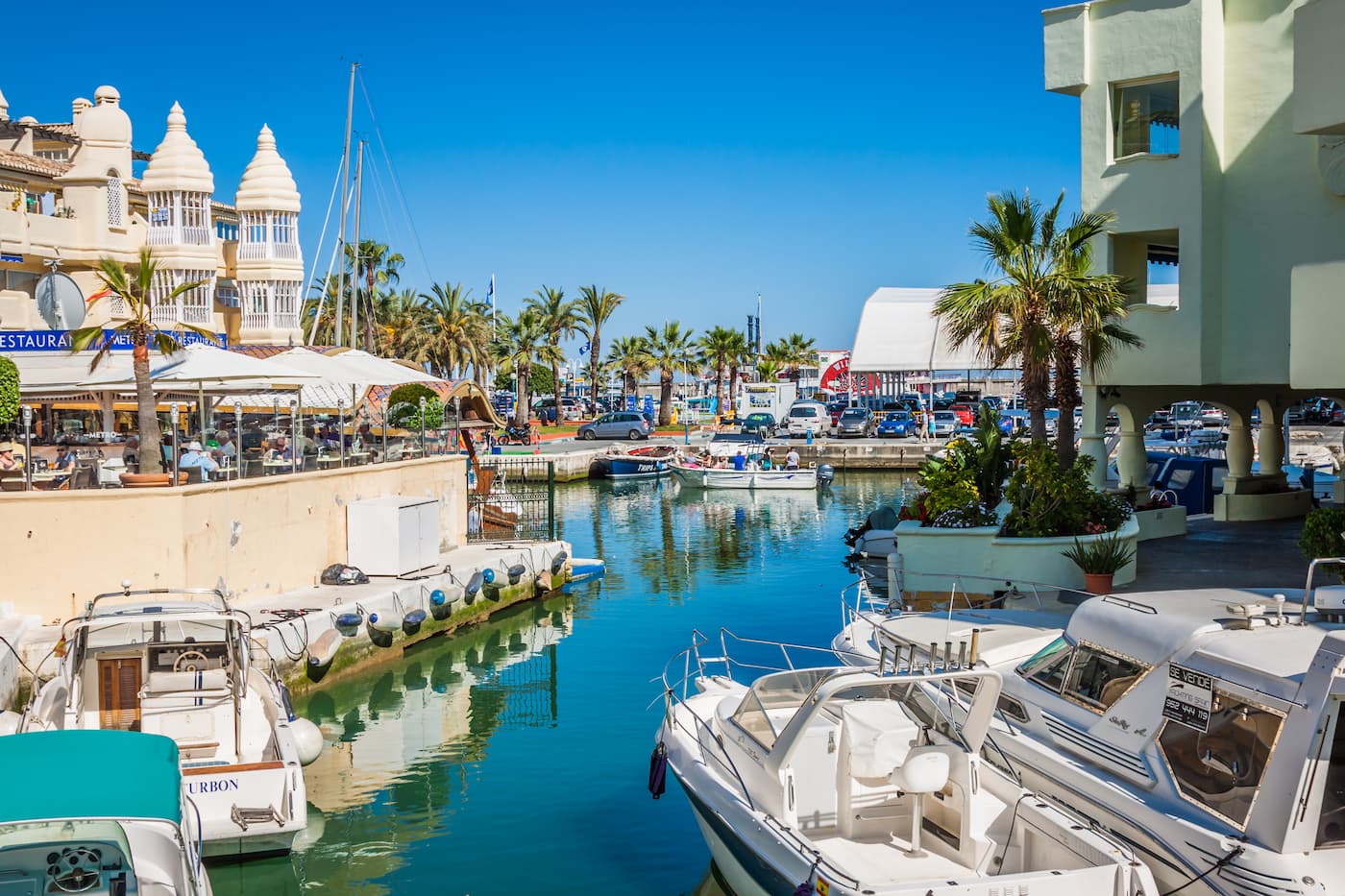
    • Puerto Marina: Welcome to Benalmádena Harbour, a destination that combines coastal elegance with a relaxed and fun-filled atmosphere. With its picturesque marina, a wide selection of restaurants and a lively nightlife, this place offers something for everyone. From enjoying dinner with a sea view to strolling through the boutique shops, every moment here is special. A place where the beauty of the surroundings blends with the excitement of coastal life.
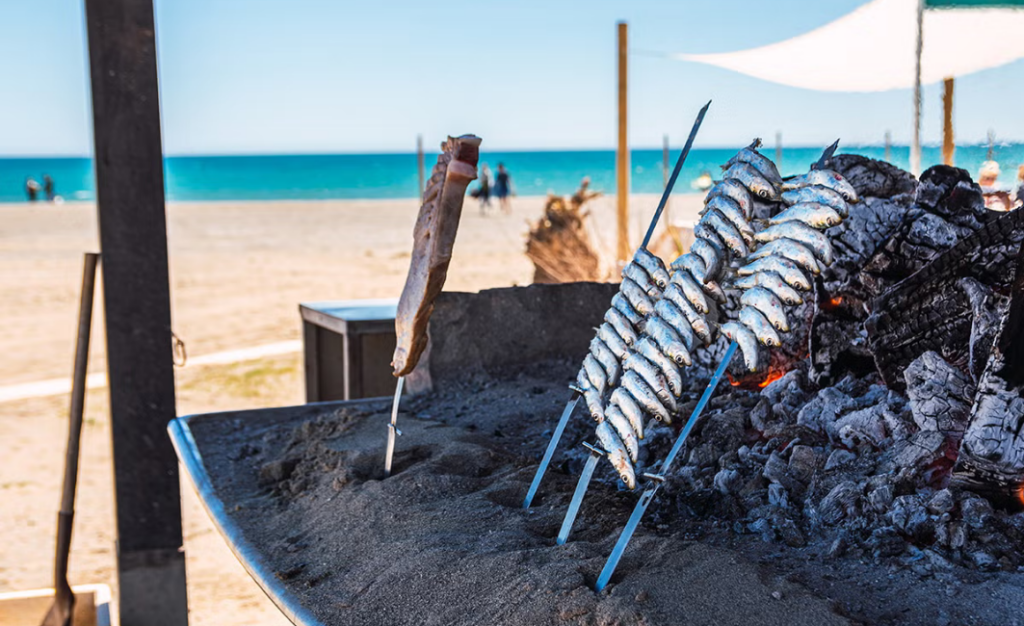
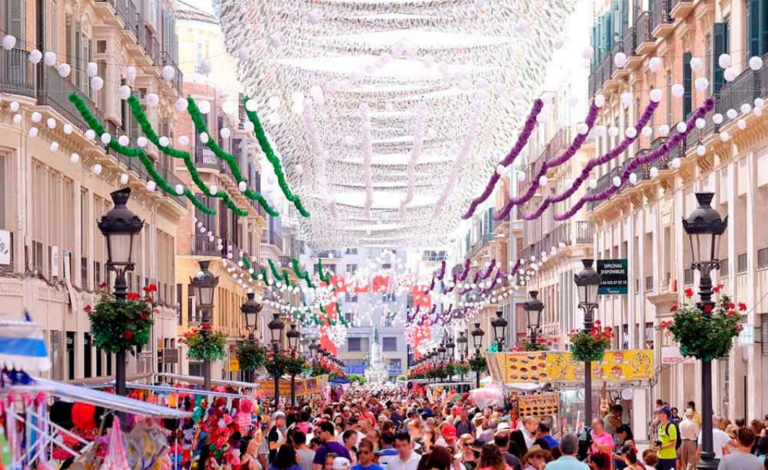
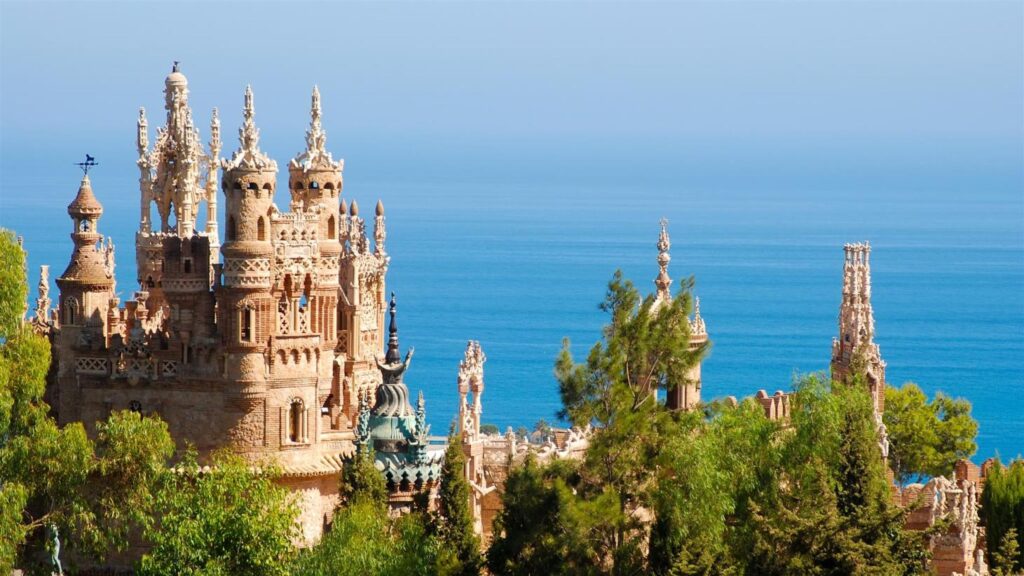
    • Colomares Castle: Colomares Castle, situated in Benalmádena, is an architectural gem that pays tribute to the discovery of the Americas and to Admiral Christopher Columbus. This Neo-Romanesque monument features a stunning blend of architectural styles, lush gardens and intricate sculptures. Built between 1987 and 1994, the castle is a masterpiece of human creativity and ingenuity. As well as its historical and cultural significance, it offers breathtaking panoramic views of the coast and the surrounding mountains. Exploring Colomares Castle is to immerse oneself in the history and beauty of the region.
    • Bil Bil Castle: Bil Bil Castle in Benalmádena, built in the 1920s, is an iconic building in the Arab-Andalusian style that hosts cultural events and exhibitions. With its distinctive architecture and seafront location, it is a major landmark on the Mediterranean coast.
    • Buddhist Stupa of Enlightenment: The Buddhist Stupa of Enlightenment in Benalmádena is a symbol of peace and spirituality. This impressive structure, inaugurated in 2003, represents Buddhist teachings and promotes harmony and intercultural understanding. Set in a stunning natural setting, it invites reflection and spiritual contemplation. With its majestic design and serene atmosphere, the Stupa is a place for contemplation and connection with the divine.
    • Parque de la Paloma: The park covers an area of over 200,000 m² and features an artificial lake, cobbled paths, recreational areas, toilets and catering facilities surrounded by gardens and rest areas. Amidst the pine trees, you’ll find enclosures housing animals such as emus and mouflons. Throughout the park, you can spot peacocks, chickens, ducks, swans, tortoises and rabbits.

    .

    Eating out in Benalmádena 🍦:

    Places of interest near Benalmádena 🐬:

    Special Dates in Benalmádena 2026 ☀️:

    • Carnival: 10 February 
    • Easter: 24 March to 31 March
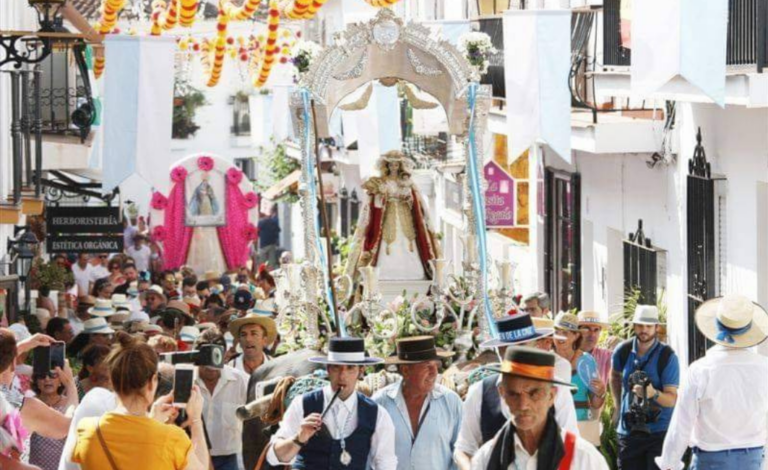
    • Benalmádena Pilgrimage: 12 June
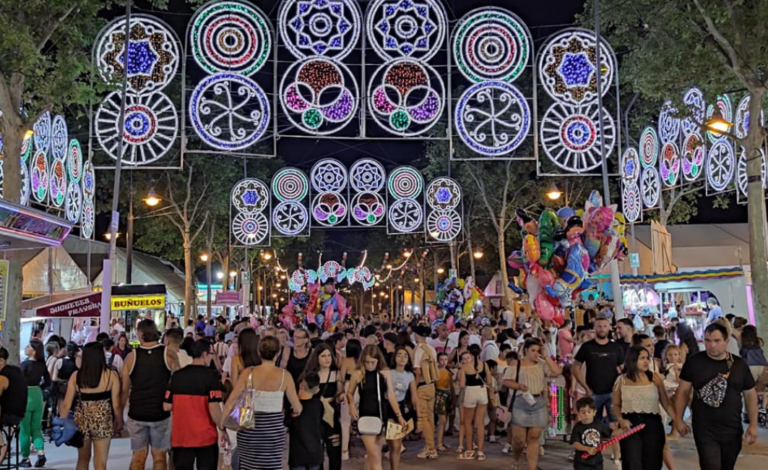
    • Benalmádena Fair: 24 June to 29 June

    Where to stay in Benalmádena? 🌅

    If you’d like to spend a few days’ holiday in Benalmádena, don’t hesitate to book one of our Cubo’s properties – you’re sure to find what you’re looking for and, of course, at the best price:
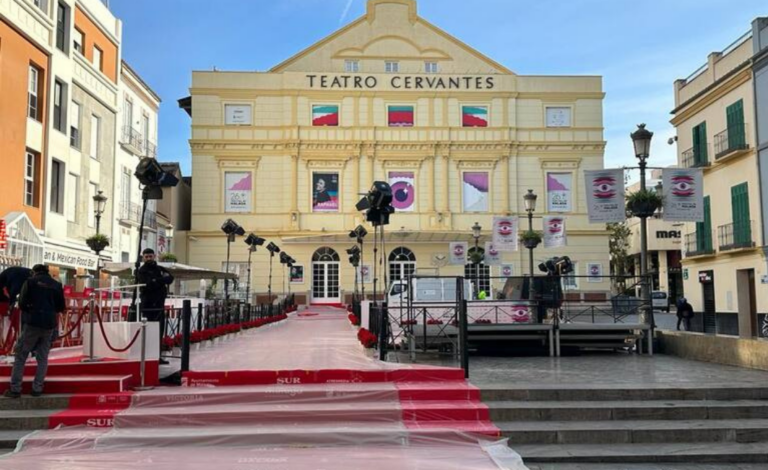
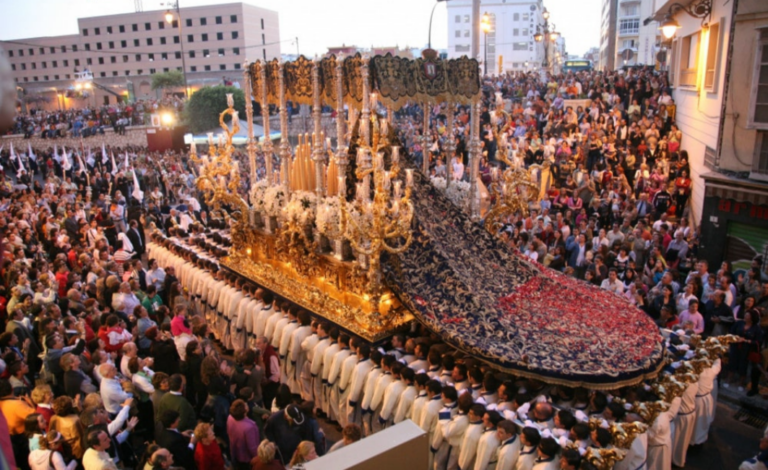
    CLICK TO VIEW OUR ACCOMMODATION!

  • Discovering Torremolinos: The Traveller’s Guide

    Discovering Torremolinos: The Traveller’s Guide

    Discover the charm of Torremolinos. From its sun-kissed golden beaches to its lively nightlife and rich history, Torremolinos captivates visitors from all over the world. Explore its iconic landmarks, immerse yourself in its culture and let yourself be swept away by the unmistakable Mediterranean atmosphere that makes Torremolinos such a unique destination.

    What to visit in Torremolinos? 🌊 :

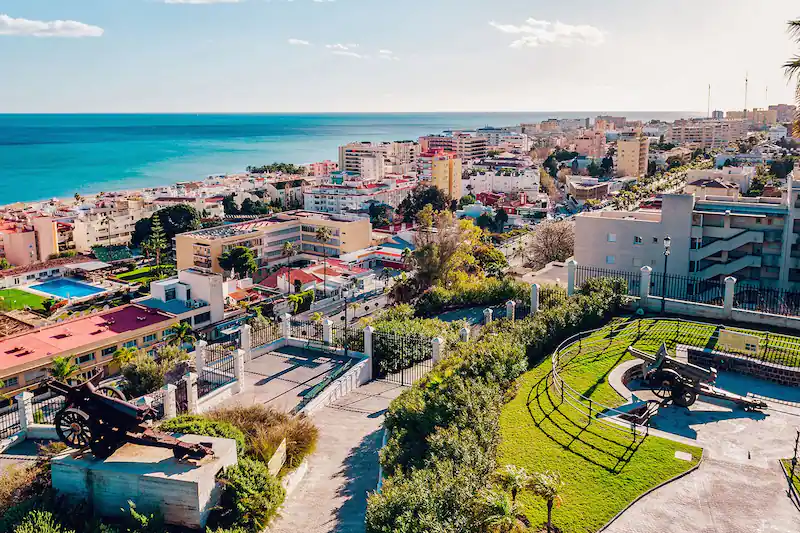
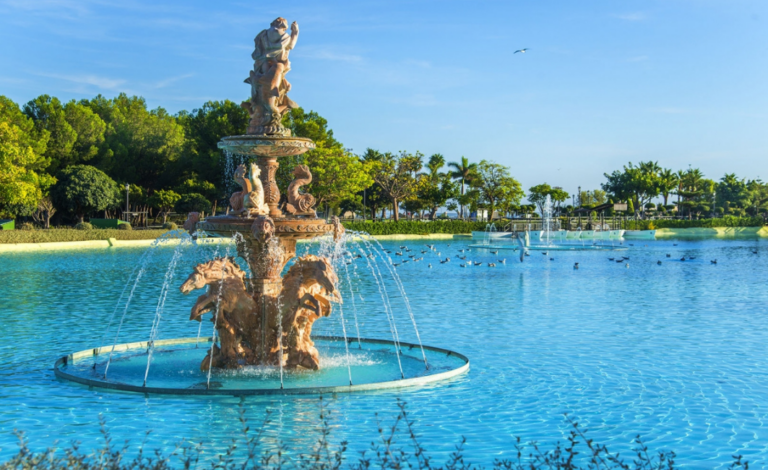
    • La Batería Park: La Batería Park in Torremolinos offers stunning sea views and is one of the town’s main green spaces. It’s the perfect place to escape the hustle and bustle of city life and enjoy nature without leaving the town. Situated to the north of La Carihuela, near Montemar Alto railway station, it boasts over 74,000 square metres dedicated to leisure, physical activity and family fun. It is home to over a thousand trees of 25 different species.
    • Calle San Miguel: Calle San Miguel stands out as the commercial hub of Torremolinos and is a must-visit for those who enjoy shopping. It is considered one of the busiest streets in Europe.
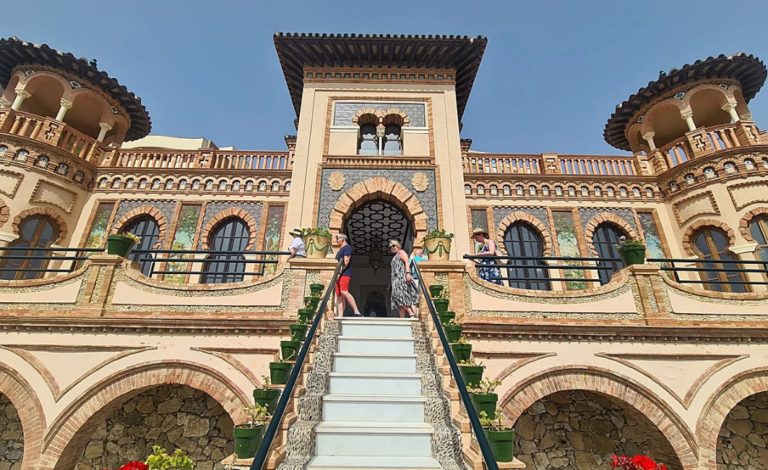
    • Casa de los Navajas: During the 1920s and 1930s, alongside the first hotels such as the Parador de Montemar and the Castillo del Inglés (Hotel Residencia Santa Clara), a number of wealthy families chose Torremolinos as their second home. This led to the construction of houses and buildings of notable architectural interest, such as the Casa de los Navajas, situated near Bajondillo, or the Huerta del Rincón in La Carihuela, the latter of which is privately owned. The Casa de los Navajas is situated very close to Bajondillo beach and can be reached either via the street that bears its name or via the Camino de Las Mercedes. Admission is free.
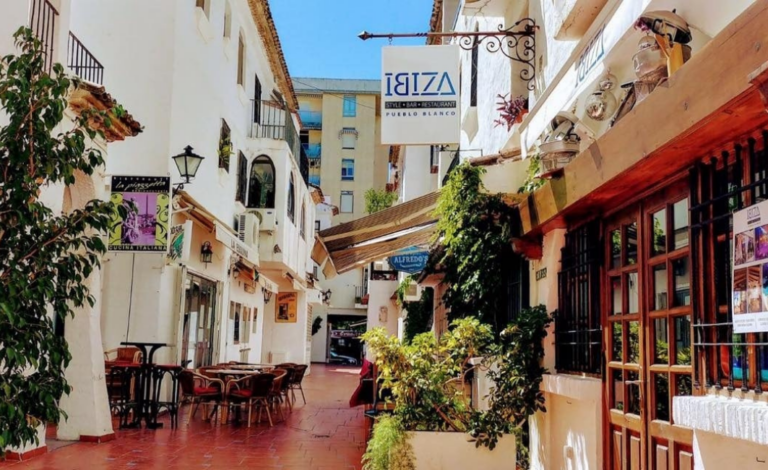
    • Pueblo Blanco: Pueblo Blanco is situated near the La Nogalera area and is one of Torremolinos’ LGBTQ+-friendly spots. It is a charming neighbourhood of white houses, where you can enjoy a peaceful atmosphere and a good selection of restaurants.
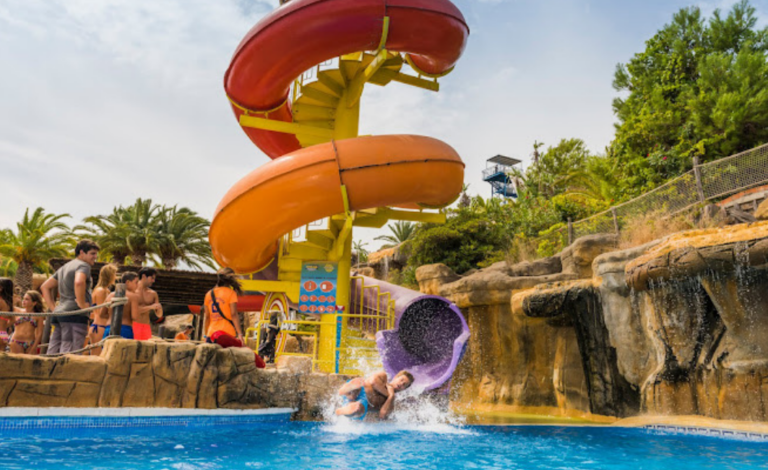
    • Aqualand (Torremolinos): A large water park ideal for families, with slides, lazy rivers and a surf zone with a wave simulator.

    What to eat in Torremolinos? Cuisine 🍽️:

    Places of interest near Torremolinos 🎶 :

    Special Dates in Torremolinos 2026 ☀️:

    • Carnival: 15 February 
    • Easter: 29 March to 5 April
    • Our Lady of Mount Carmel: 16 July
    • San Miguel Fair: 25 September to 29 September

          Where to stay in Torremolinos? 🌅:

          If you’d like to spend a few days’ holiday in Torremolinos, don’t hesitate to book one of our Cubo’s properties – you’re sure to find what you’re looking for and, of course, at the best price:

          CLICK TO VIEW OUR ACCOMMODATION!

        • Discovering Marbella: The Traveller’s Guide

          Discovering Marbella: The Traveller’s Guide

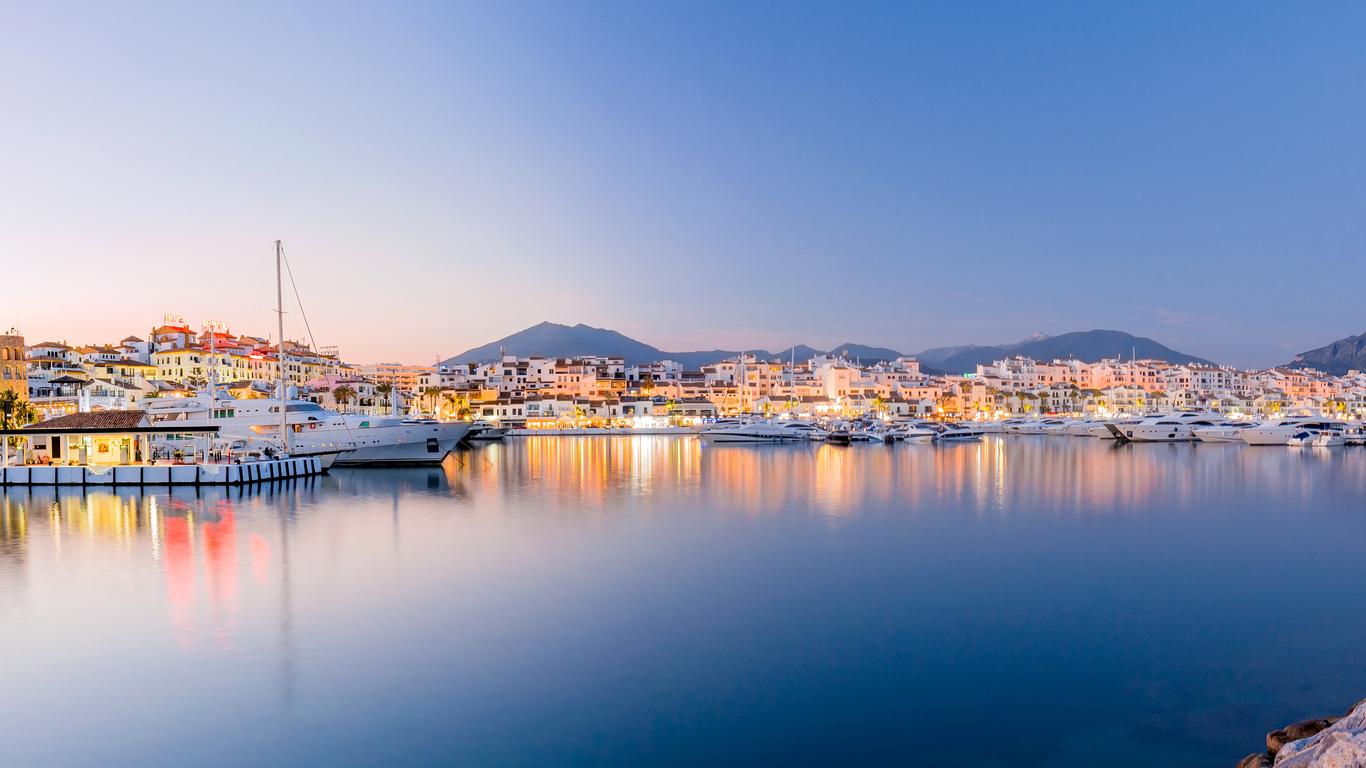
          Discover Marbella, a paradise on the Costa del Sol. With its 27 km of golden beaches, majestic mountains and the glamorous Puerto Banús, it offers luxury and fun. The Golden Mile sparkles with exclusive nightclubs and trendy shops. An unforgettable experience of sun, sea and style!

          What to visit in Marbella?: 🏖️

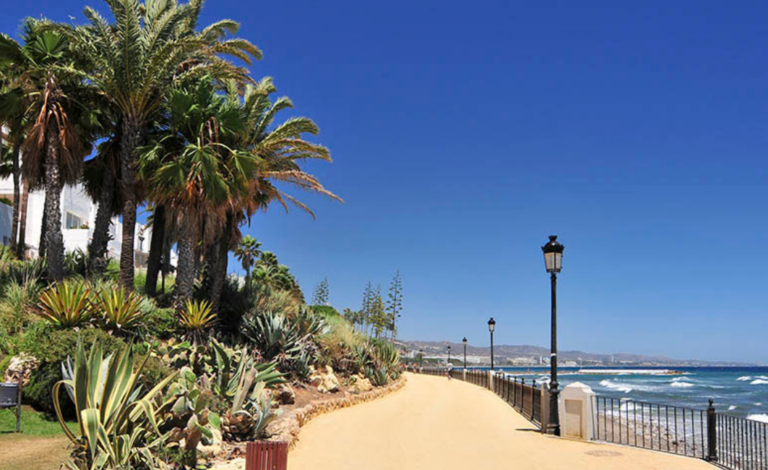
          • Promenade and Avenida del Mar: This charming avenue connects the Alameda Park with the Promenade and is adorned with ten bronze sculptures by Salvador Dalí, turning it into a captivating open-air museum. A must-see!
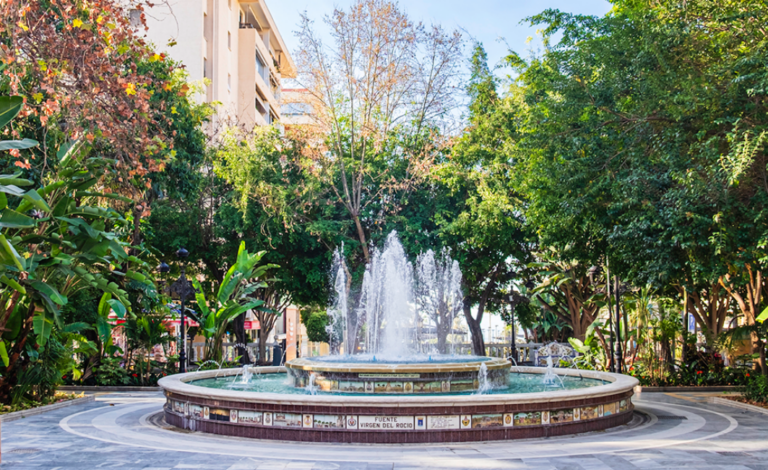
          • Parque de la Alameda: After a refreshing dip and the obligatory photo at the iconic lighthouse on the seafront promenade, head to the unmissable Parque de la Alameda. At the entrance to the old town, it welcomes you with a majestic circular fountain, benches adorned with Andalusian tiles and lush greenery that invites you to relax.
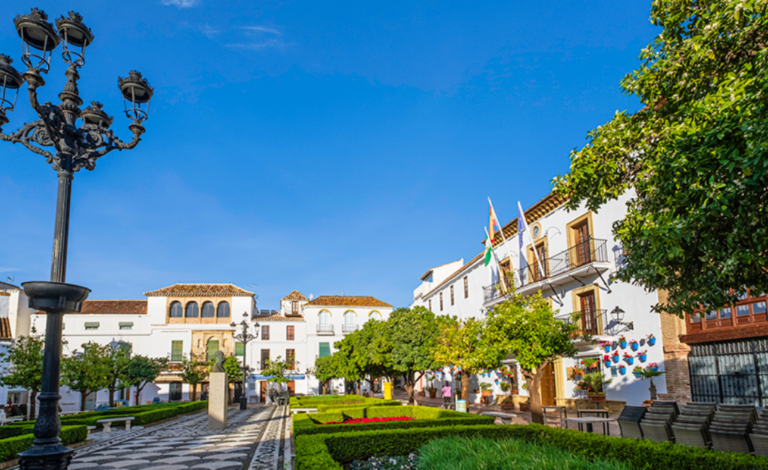
          • Plaza de los Naranjos: Walking up Calle Valdés from the Alameda, you’ll reach the Plaza de los Naranjos, the heart of Marbella’s old town. Surrounded by white Andalusian houses and historic buildings, this 15th-century square is home to a beautiful Renaissance fountain and cosy terraces where you can soak up the lively atmosphere.
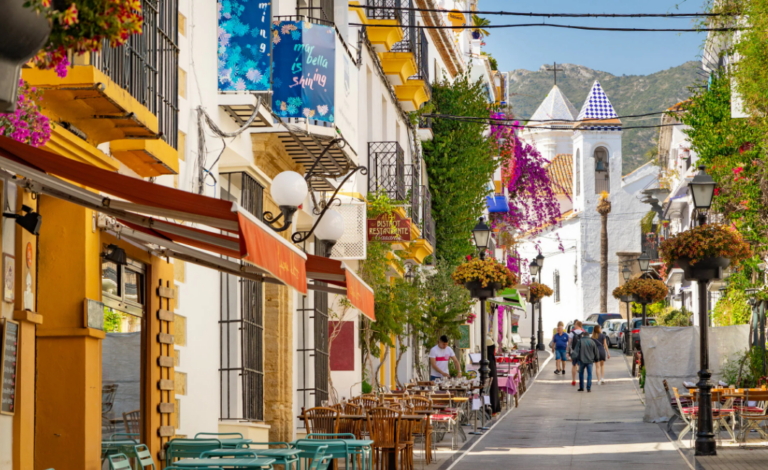
          • Marbella’s Old Town: Explore the labyrinth of narrow streets in Marbella’s Old Town, with its Moorish charm and Andalusian architecture. Discover white houses, flower-filled balconies, craft shops and traditional taverns.
          • Marbella City Walls: From Plaza del Santo Cristo, head down Calle Ancha and cross Calle Príncipe towards the area around Calle Arte and Salinas, where you’ll find the walls of the ancient Alcazaba, a testament to Muslim civilisation. 
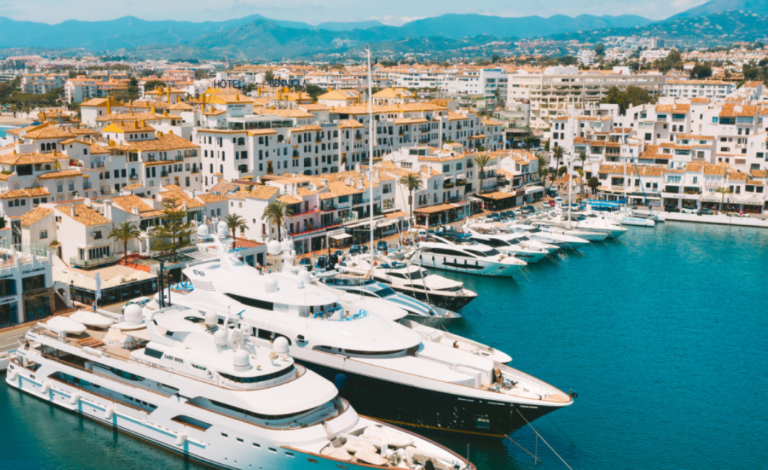
          • Puerto Banús: A glamorous marina where you’ll see luxurious yachts several metres long, high-end cars, exclusive boutiques and lively nightclubs. As well as strolling along the harbour to the Mirador del Muelle de Honor viewpoint, you can take a dip at Puerto Banús beach and visit the lighthouse, from where you’ll enjoy excellent views of the Pico de la Concha.
          • Marbella’s beaches: Enjoy the 23 beaches stretching along its 27 kilometres of coastline.

          What to eat in Marbella? Gastronomy: 🍹

          Places of interest near Marbella: 🥂

          Special Dates in Marbella 2026: 🌅

          • Carnival: 7 February
          • Easter: 29 March to 5 April 
          • Marbella Pilgrimage: 7 June
          • Marbella Fair: 5 June to 11 June

          Where to stay in Marbella? ⛳

          If you’d like to spend a few days’ holiday in Marbella, don’t hesitate to book one of our Cubo’s properties – you’re sure to find exactly what you’re looking for and, of course, at the best price:

          CLICK TO VIEW OUR ACCOMMODATION!

        • Discovering Málaga: The Traveller’s Guide

          Discovering Málaga: The Traveller’s Guide

          Málaga, on the Costa del Sol, combines history, art and a mild climate. Its rich Phoenician, Roman and Arab heritage is reflected in monuments such as the Alcazaba and the Renaissance cathedral. As the birthplace of Picasso, it offers a vibrant cultural scene and Mediterranean cuisine.

          What to visit in Málaga? 🌞

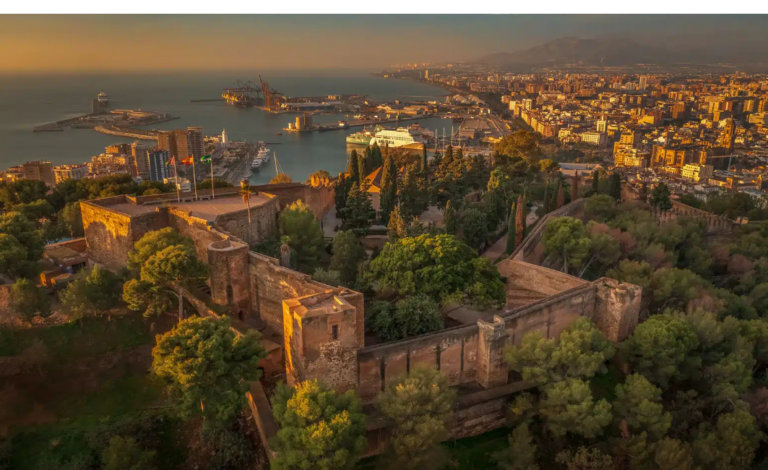
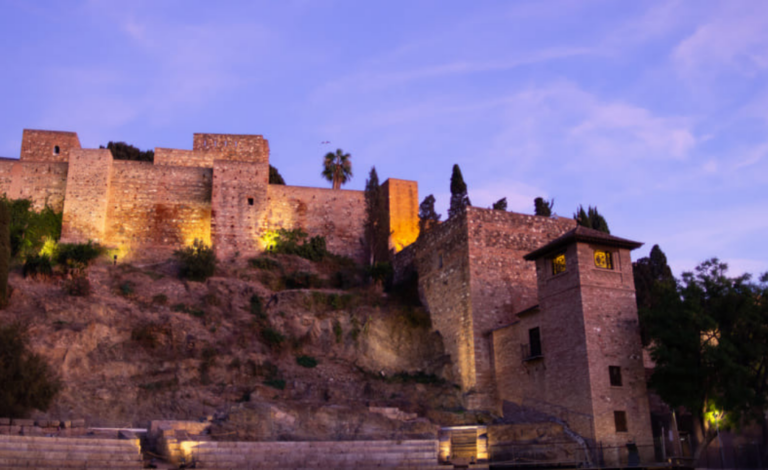
          • The Alcazaba in Málaga: The Alcazaba, an 11th-century Moorish fortress in Málaga, is an unmissable experience. Its sturdy military structure withstood sieges during the Reconquista. Inside, marvel at the palaces, gardens and the Keep, which offers spectacular views. The Cuartos de Granada, with their Nasrid décor, are particularly captivating.
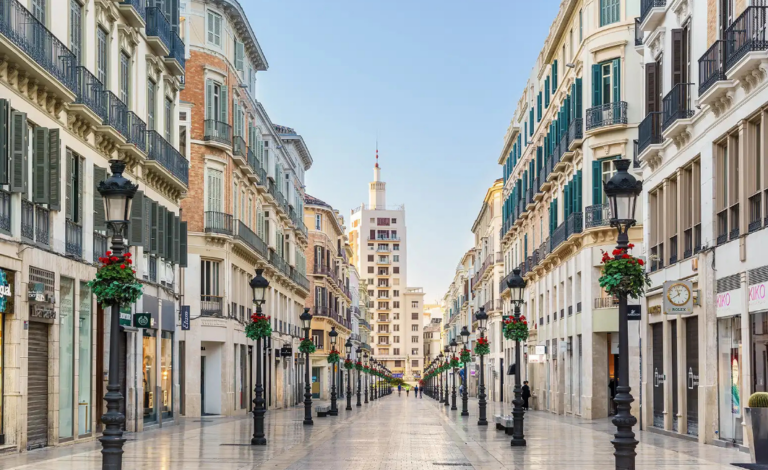
          • Calle Larios: Marqués de Larios, an elegant shopping street in Málaga, Spain, funded by the Larios family in 1891. Flanked by majestic, symmetrical buildings, it attracts tourists and locals alike for shopping and bars.
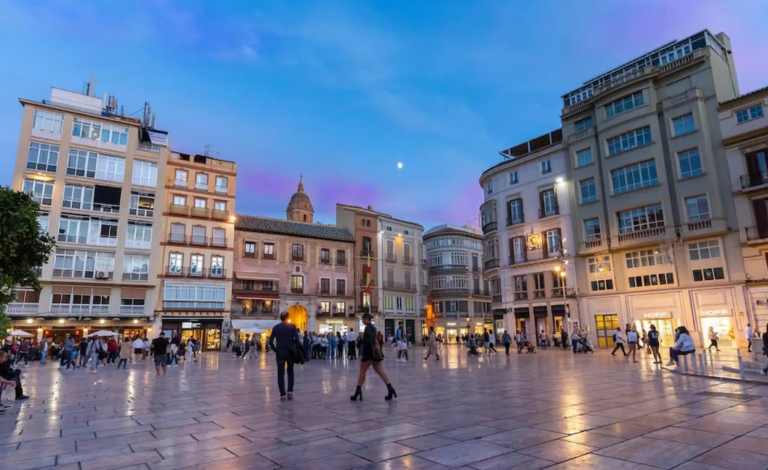
          • Plaza de la Constitución: The Plaza de la Constitución, the heart of life in Málaga since the 15th century, is situated at the end of Calle Larios. Highlights include the historic 16th-century Fuente de Génova fountain and the terraces of bars and restaurants.
          • Carmen Thyssen Museum: The Carmen Thyssen Museum, situated on Calle Compañía near Plaza de la Constitución, houses an outstanding collection of 19th- and early 20th-century Spanish paintings in the Villalón Palace. It features over 250 works, including pieces by Zurbarán and Julio Romero de Torres.
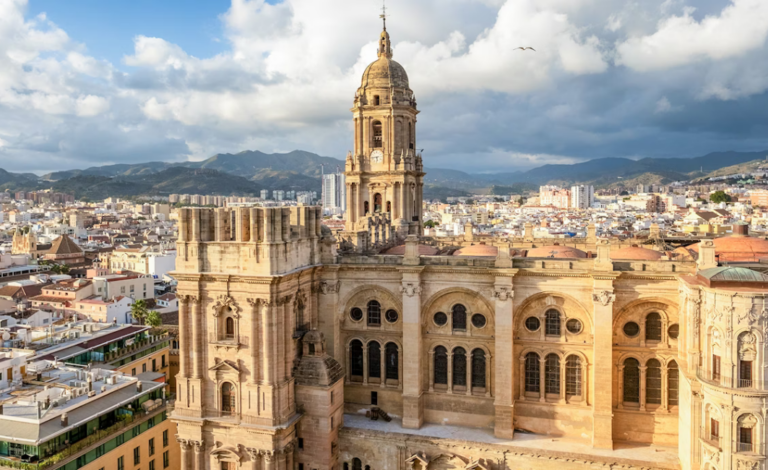
          • Málaga Cathedral: Málaga Cathedral, or the Holy Cathedral Basilica of the Incarnation, a Renaissance gem, is situated near Calle Santa María. Known as ‘La Manquita’ due to its incomplete tower, its Baroque façade and Renaissance doorways are impressive, as is its interior with the High Altar and the choir stalls by Pedro de Mena.
          • Málaga’s Episcopal Palace: In Plaza del Obispo, opposite Málaga Cathedral, stands the Episcopal Palace, home to the Diocesan Museum of Sacred Art. This 18th-century architectural gem features a Baroque façade depicting the Virgin of Sorrows, an impressive imperial staircase and two inner courtyards.
          • Gibralfaro Castle: Walk up from La Alcazaba to Gibralfaro Castle to enjoy the natural vantage points and spectacular views of Málaga and the Mediterranean. Explore the 14th-century Moorish fortress with its impressive ramparts and the striking Torre Mayor. Or take bus 35 from Paseo del Parque.
          • Picasso Museum: The Picasso Museum in Málaga’s Palacio de Buenavista houses the artist’s most significant collection. With 285 works, including revolutionary Cubist pieces, it offers a comprehensive insight into his genius. Highlights include works such as ‘Woman with Raised Arms’ and ‘Still Life with Rooster and Knife’. A guided tour is recommended for a better understanding.

          What to eat in Málaga? 🥘 Cuisine:

          Places of interest near Málaga 🌴 :

          Special Dates in Málaga 2026 🌅 :

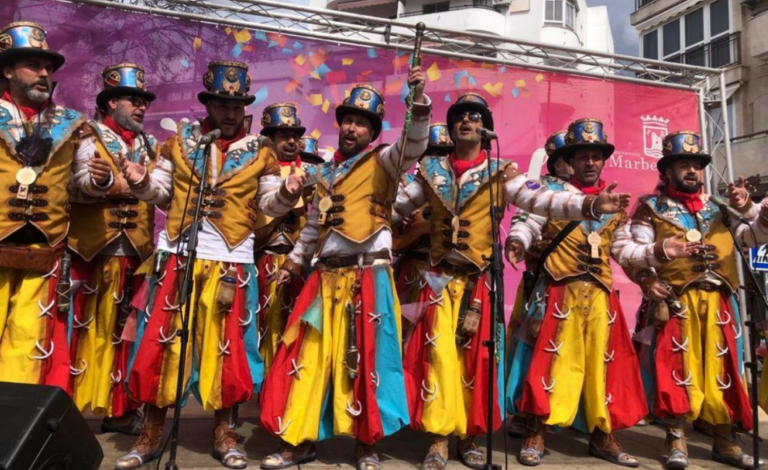
          • Carnival: 7 February to 15 February 2026
          • Málaga Spanish Film Festival: 6 March to 15 March
          • Easter: 29 March to 5 April
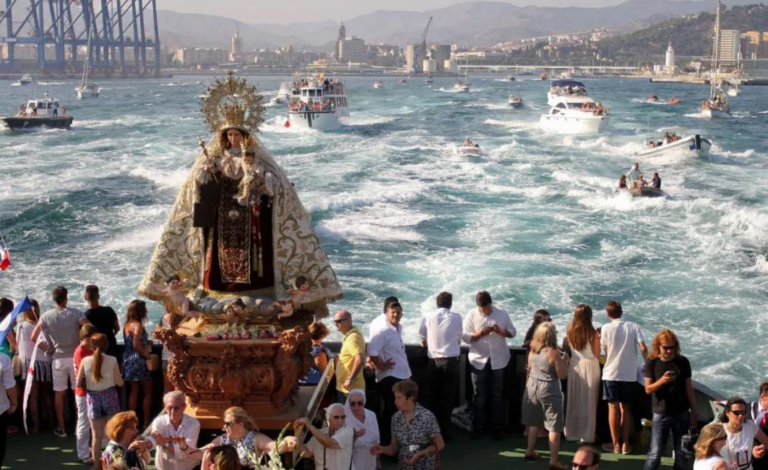
          • Virgen del Carmen: 16 July
          • Málaga Fair: 15 August to 22 August

          Where to stay in Málaga? 🍷

          If you’d like to spend a few days’ holiday in Málaga, don’t hesitate to book one of our Cubo’s properties – you’re sure to find exactly what you’re looking for and, of course, at the best price:

          CLICK TO VIEW OUR ACCOMMODATION!

        • Discovering La Cala de Mijas: The Traveller’s Guide

          Discovering La Cala de Mijas: The Traveller’s Guide

          Explore the beauty of Cala de Mijas on the Costa del Sol, Spain. With its beaches and spectacular views, it’s the perfect place to relax and soak up the sun. Discover its hidden corners and savour delicious Mediterranean cuisine in a relaxed atmosphere.

          What to visit in La Cala de Mijas? 🏖️ :

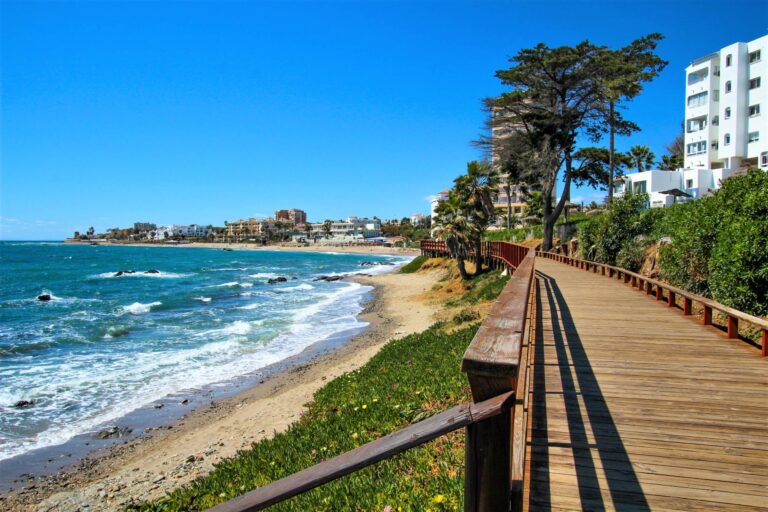
          • La Cala de Mijas Beach: La Cala de Mijas Beach is renowned as one of the best on the Costa del Sol, thanks to the quality of its water and sand, as well as the exceptional facilities it offers.
          • Donkey Dreamland Rescue Centre, Mijas: Donkey Dreamland provides a sanctuary for donkeys, free from pain and suffering, surrounded by loving and respectful carers in a serene and peaceful environment.
          • Cala de Mijas Battery Tower: The building’s hoof-shaped structure, with two spurs on its back, has a perimeter of around 35 metres and stands over 10 metres tall. Inside, it has two storeys: the basement, known as ‘Santa Bárbara’, and the well-lit main chamber.

          What to eat in Cala de Mijas? Gastronomy 🍹 :

          Places of interest near La Cala de Mijas 🌊 :

          Special Dates in La Cala de Mijas 2026 🐚 :

          • Carnival: 15 February 
          • Easter: 29 March to 5 April
          • La Cala de Mijas Fair: 24 July to 28 July
          • Mijas Pueblo Fair: 6 September to 11 September

          Where to stay in Mijas? 🌅 :

          If you’d like to spend a few days’ holiday in Mijas, don’t hesitate to book one of our Cubo’s properties – you’re sure to find exactly what you’re looking for and, of course, at the best price:

          CLICK HERE TO VIEW OUR ACCOMMODATION IN MIJAS COSTA!

          CLICK TO VIEW OUR ACCOMMODATION IN MIJAS PUEBLO!

        • Discovering Fuengirola: The Traveller’s Guide

          Discovering Fuengirola: The Traveller’s Guide

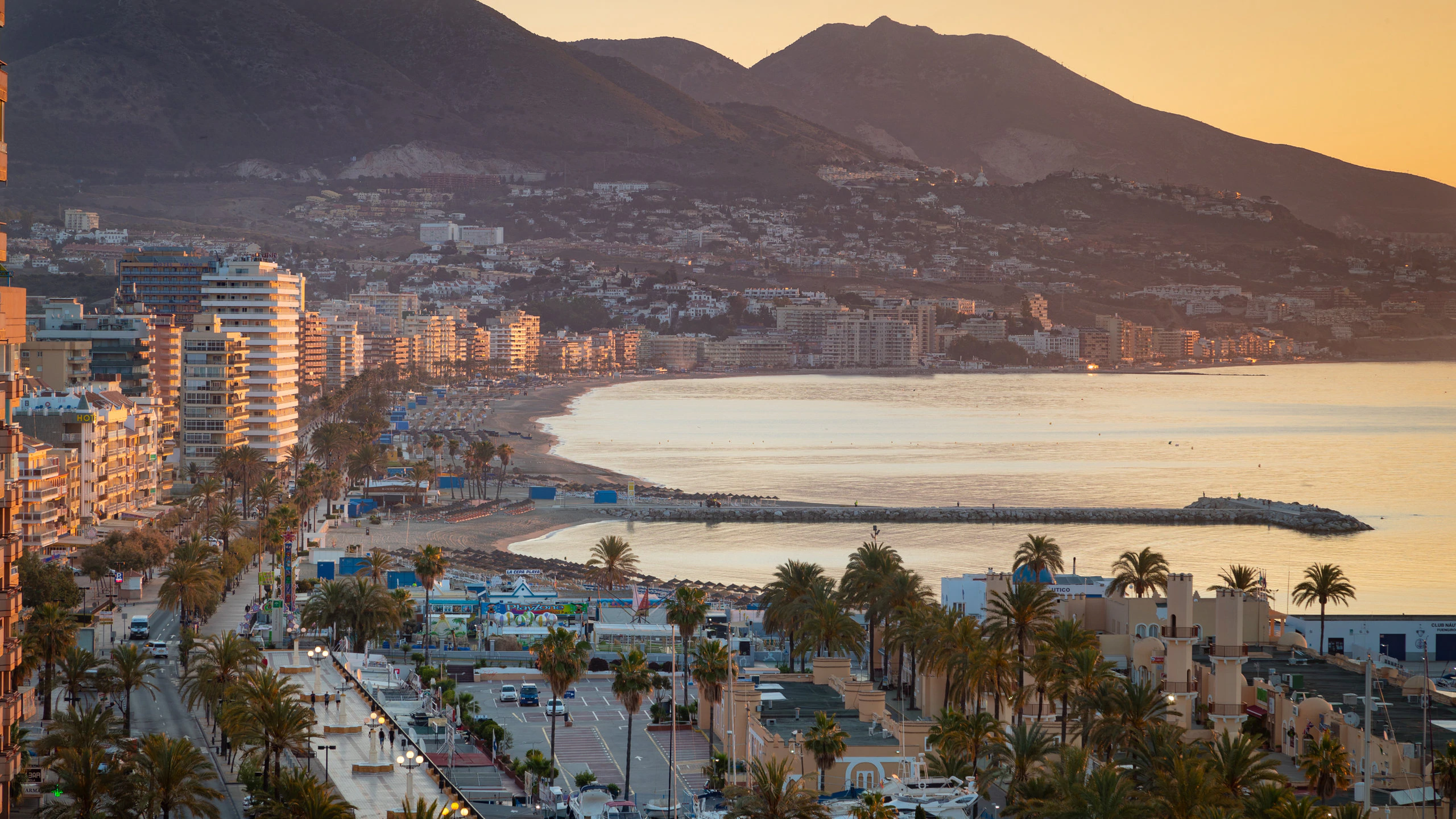
          Fuengirola is a coastal town situated on the Costa del Sol, with a population of over 70,000. It is well connected by road and rail, and offers a wide range of tourist attractions. It is also notable for its large community of foreign residents, mainly Europeans.

          What to visit in Fuengirola? 🏖️

          • Sohail Castle: Sohail Castle is an ancient fortress on a hill near the River Fuengirola. Built by Abd al-Rahman II in the 10th century on top of Roman ruins, it was conquered in 1485. It has been rebuilt several times.
          •  
          • ‘El Secretario’ Roman Archaeological Site: These Roman ruins in Fuengirola consist of a salting factory and a thermal baths complex. Highlights include a porticoed hall with mosaics and two baths for the thermal baths, as well as a marble sculpture known as ‘The Venus of Fuengirola’. The remains date from the 1st to the 5th century AD.
          •  
          • History Museum: It offers an interesting journey through the town’s history via the artefacts found within the municipality. The museum is divided into two sections: the ancient section, which features an exhibition of Phoenician, Roman and Arab artefacts from sites near the town centre, dating from the 1st and 2nd centuries AD. The other section covers the modern period, with ethnographic information and an exhibition of artefacts relating to the arts and crafts typical of the town, right up to its development as a tourist destination.
          •  
          • Parish Church of the Virgin of El Rocío: It is situated in the town centre; the present church was built between 1940 and 1950. Its Baroque façade, featuring two pilasters and a pediment with a niche, is particularly noteworthy. On one side of the façade stands a square bell tower. The church houses the image of the Virgen del Rosario, the town’s patron saint.
          •  
          • Torreblanca Thermal Baths: During excavations carried out in 1991, the remains of a Roman-era bathhouse were discovered. The most significant aspect of this find is the excellent state of preservation of the site, making it one of the most important in the province. 
          •  
          • Fuengirola’s beaches: Enjoy the wonderful beaches and beach bars that the Costa del Sol has to offer in Fuengirola.
          • Bioparc Fuengirola: Bioparc Fuengirola is a zoo and nature park located in Fuengirola (Málaga), dedicated to the conservation of tropical species adapted to the jungle environments of Asia, Africa and the Indo-Pacific islands.

          What to eat in Fuengirola? 🍤 Cuisine:

          Places of interest near Fuengirola 🌊 :

          Special Dates in Fuengirola 2026 ☀️ :

          • Fiestas del Rosario: 5 October to 11 October.
          • Easter: 29 March to 5 April.
          • Carnival: 7 February to 15 February
          • Feast of Our Lady of Mount Carmel: 16 July
          • Feria de los Pueblos: 29 April to 3 May.
          • Carnival: 7 February to 15 February.

                Where to stay in Fuengirola? 🏘️

                If you’d like to spend a few days’ holiday in Fuengirola, don’t hesitate to book one of our Cubo’s properties – you’re sure to find exactly what you’re looking for and, of course, at the best price:

                CLICK TO VIEW OUR ACCOMMODATIONS!

              • Discovering Coín: The Traveller’s Guide

                Discovering Coín: The Traveller’s Guide

                Explore Coín, a charming Andalusian village with cobbled streets, traditional architecture and lively festivals. Enjoy its delicious food and Andalusian hospitality.

                What to visit in Coín? 🌿

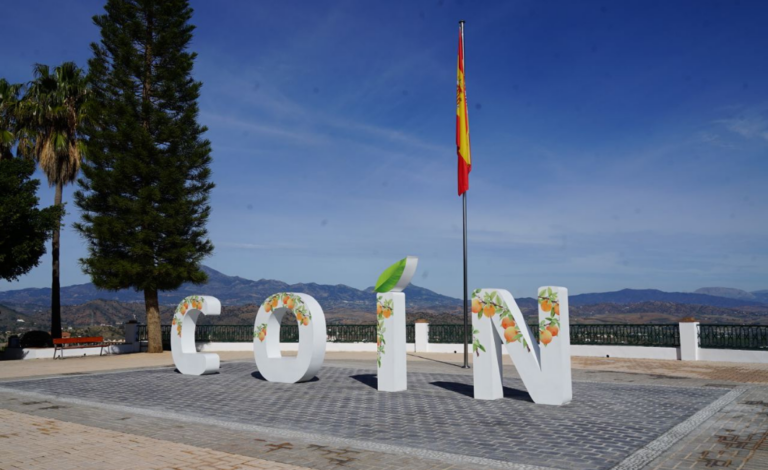
                • Mirador de España: The Mirador de España, La Roja, near Coín, offers sweeping views of the village and features a central fountain. You can admire the graffiti mural by the Málaga-based artist Doger, dedicated to children and featuring a fantasy theme.
                • Barranco Blanco: Barranco Blanco is a spot with crystal-clear waters, white rocks and lush vegetation, situated between Alhaurín El Grande and Coín. This natural paradise, fed by the constant flow of the River Alaminos, is home to otters, barbel and various protected species, as well as being a Site of Community Importance (SCI). The water emerges where the river comes into contact with the peridotites, the magmatic rocks of the area, creating beautiful pools suitable for swimming, although caution is advised to preserve the natural balance of the environment.
                • Reyna Manescau Centre: The Antonio Reyna Manescau Centre in Coín is dedicated to commemorating the renowned local painter (1859–1937) in his birthplace. The centre’s galleries house an extensive collection of the artist’s original works, photographs, documents, research materials, publications, bibliographies, personal belongings and other interesting items. These exhibitions offer visitors detailed insights into the life and exceptional artistic skill of this master of 19th-century painting.
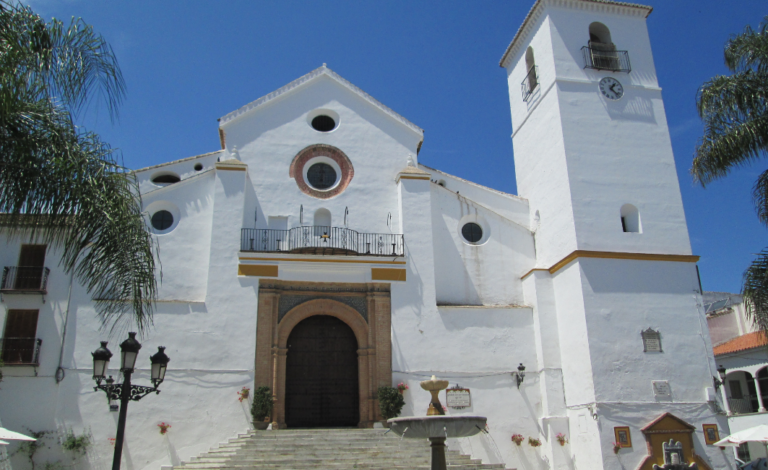
                • Church of St John the Baptist: Dating back to the 16th century, construction of the Church of St John the Baptist began in 1505 and it was designated a Site of Cultural Interest (BIC) in 2010. Queen Isabella the Catholic ordered that the land of the former Muslim fortress be ceded for its construction, incorporating a square tower from the castle which now serves as the bell tower.
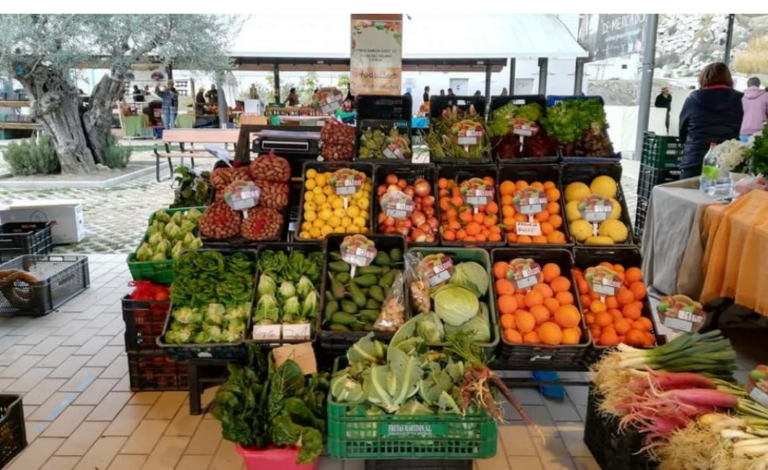
                • Guadalhorce Farmers’ Market: Held every Sunday, this market offers a wide range of locally sourced produce: fresh produce, bread and baked goods, cured meats and other meat products, cheese, honey and various handicrafts. The market’s popularity stems from the freshness and high quality of its produce, combined with a direct-from-producer-to-consumer approach, with everything sourced from Coín.
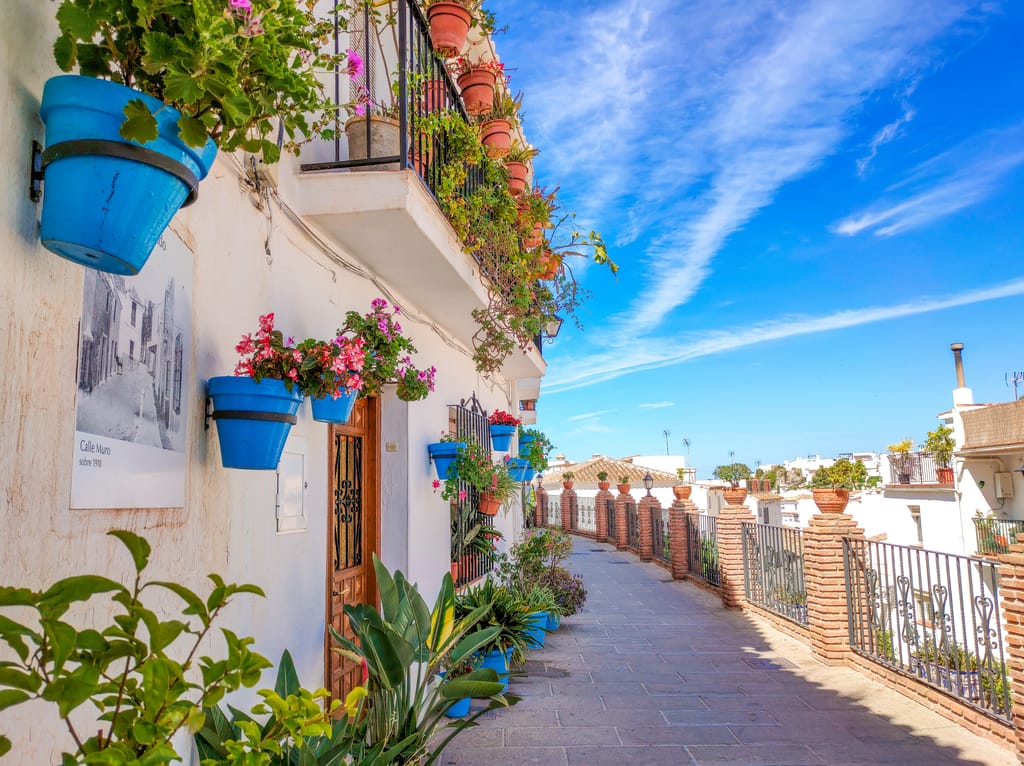
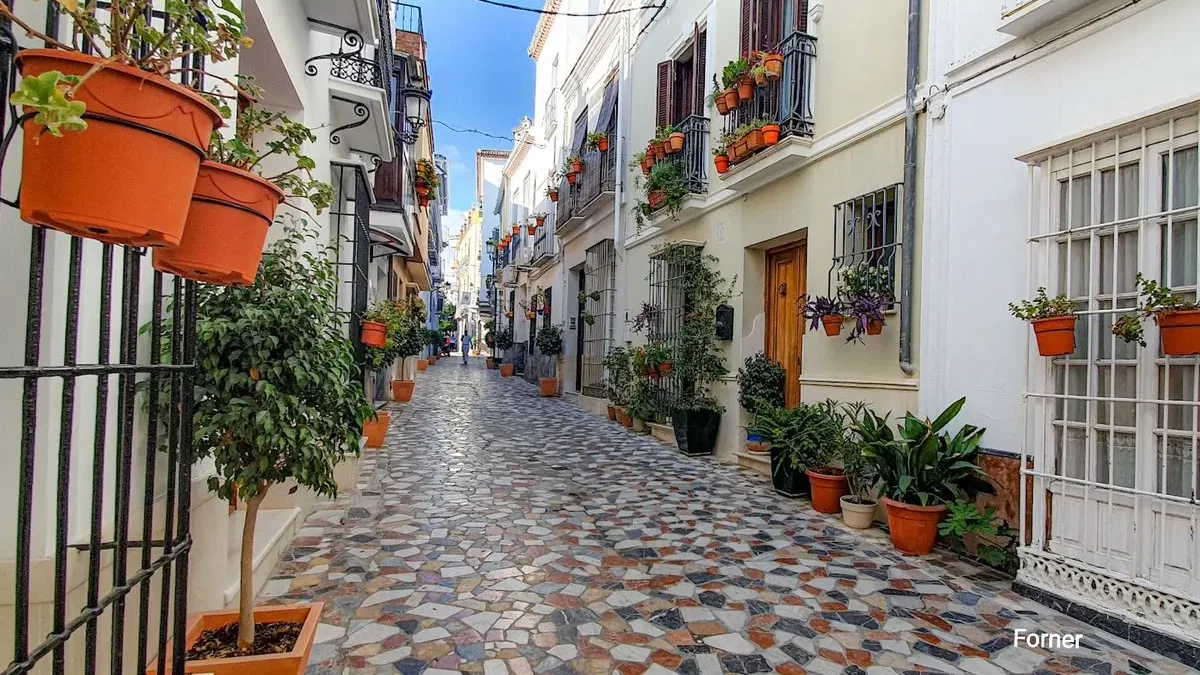
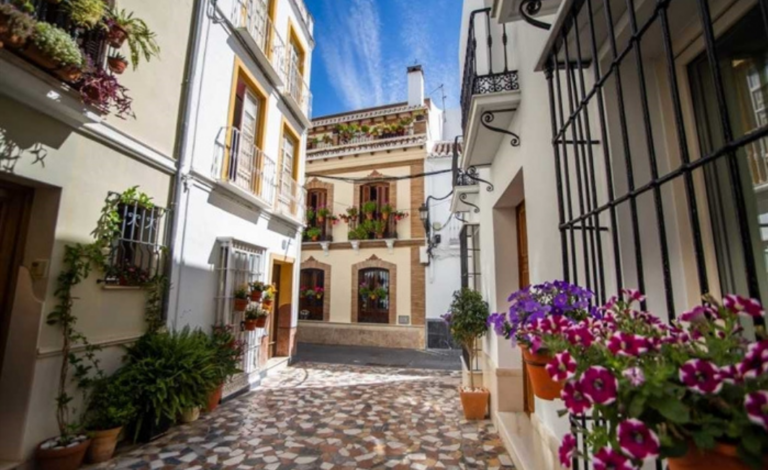
                • Calle Cachitos: This charming street in the heart of Coín is known for its balconies and façades, which are decorated with numerous flower pots all year round. Its name comes from the coloured marble chips that make up its paving. Among its attractions is a mural by local artist Jalo (Juan Antonio Luna Osorio), which presents a modern take on Velázquez’s famous painting ‘The Surrender of Breda’.
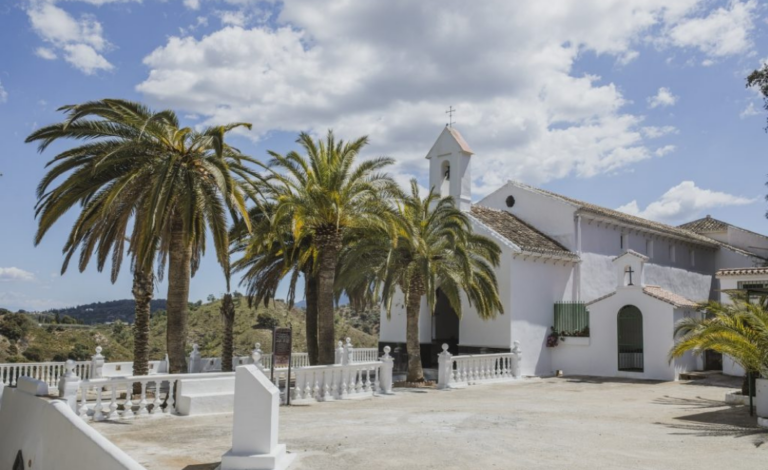
                • Chapel of Our Lady of La Fuensanta: This Mozarabic-style rock-hewn church, known as the Chapel of Our Lady of La Fuensanta, is situated in one of the most picturesque areas of the Coín countryside, Pereila. It is known that the site already existed in 1529, but the current structure dates from 1680, with several renovations carried out in the 18th century.

                If you’d like to find out more about the town, here’s a link for you to have a look: https://turismocoin.es/ 

                What to eat in Coín? 🫒 Cuisine:

                Places of interest near Coín 🌻 :

                Special Dates in Coín 2026 🌄:

                • Easter: 29 March to 5 April. Celebrated with great devotion and tradition, it is notable for its processions, the atmosphere in the streets and the participation of historic brotherhoods that fill the town with solemnity and art.
                • 53rd Coín Walking Tour: 20 April – The 53rd Coín Walking Tour is one of the oldest sporting events in the town of Coín and one of the most popular with the public. Around 5,000 people take to the streets to enjoy this sporting festival in Coín.
                • Spring Festivities: 29 April to 4 May. An event brimming with music, activities and a youthful atmosphere, where Coín celebrates the arrival of fine weather with concerts, entertainment and a lively buzz in the squares.

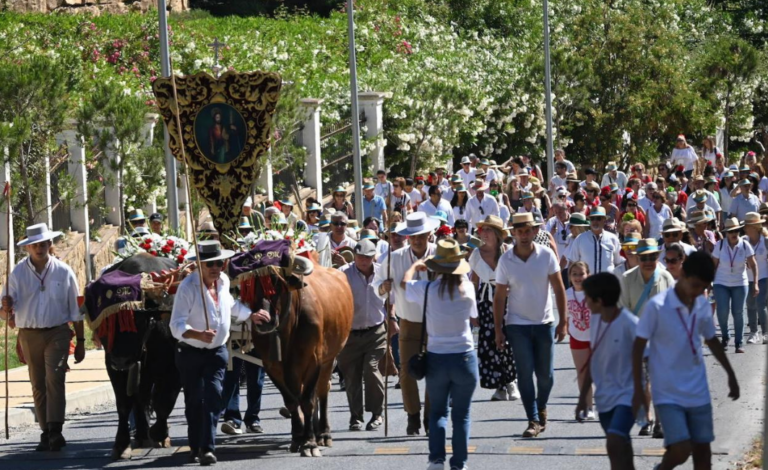
                • Coín Pilgrimage: 30 May to 31 May. A festive and much-anticipated day on which locals and visitors accompany the Virgin along country lanes, enjoying a day of togetherness, traditional food and the countryside.

                • Night Under the Stars: This is one of the highlights of Coín’s cultural programme. It is a celebration of Culture with a capital C, where theatre, dance, circus, music, exhibitions, a market, film screenings and art installations fill the town centre from dusk until the early hours of the morning. The streets become a stage, a gallery and a canvas for the enjoyment of locals and visitors alike.

                • Patron Saint’s Festivities: 15 August. Dedicated to the Virgin of La Fuensanta, they combine tradition, religious ceremonies, cultural activities and fair days that fill Coín with colour, music and popular celebrations.
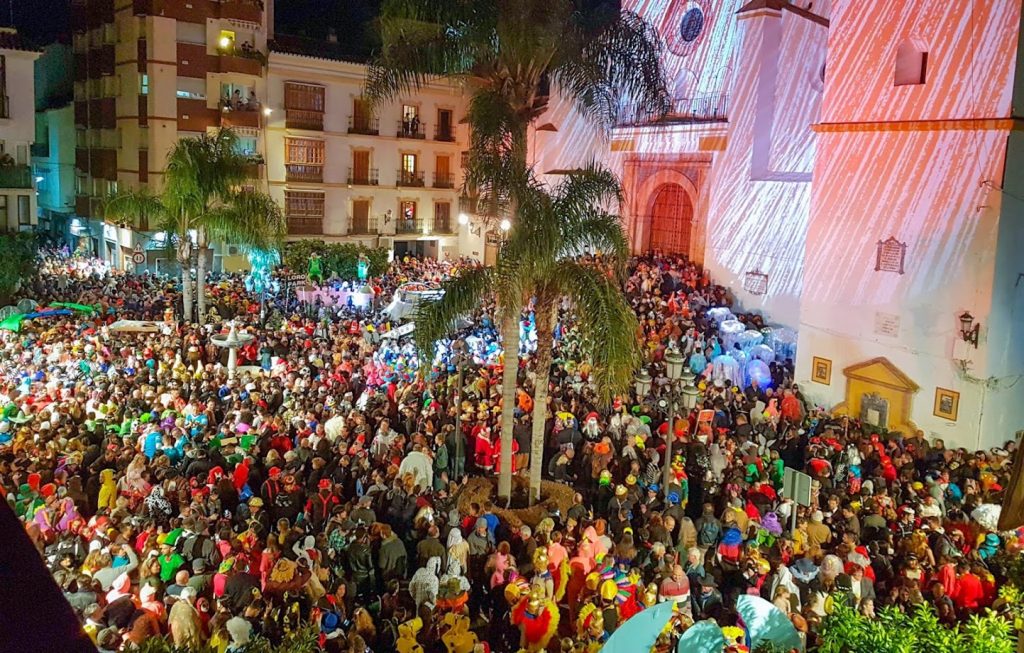
                • New Year’s Eve: 31 December – Visitors will have the chance to see in the New Year in a truly special way, as the town’s streets come alive with a constant stream of people in original fancy dress.

                Recommendations for natural areas and walking trails 🌳

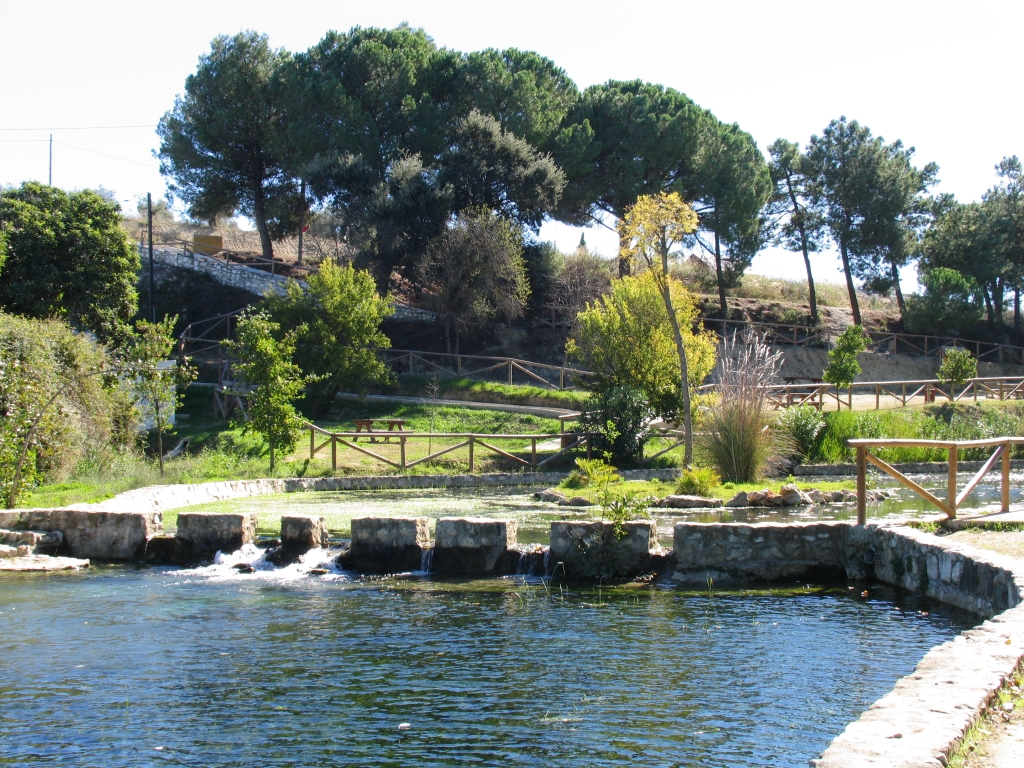
                • El Nacimiento Spring Recreation Area: This is a spring situated in the southern part of the town, in the area of the same name. It is a historic and iconic spot for local residents, recently converted into a recreation area. It features picnic areas, a lake and the ‘Forest of Books’. The Forest of Books is a short trail running through the recreational area, featuring various trees dedicated to different local groups and associations, each bearing an inscription with a literary quote.
                • Recreational Area in Los Llanos de Matagallar: The Matagallar Plains Recreation Area is situated opposite the D. José Burgos Quintana sports complex, which houses a football pitch and athletics tracks. Here you’ll find this recreation area, which offers picnic tables, a fitness circuit, a zip line and a calisthenics circuit.
                • SL-A 59 El Nacimiento – Cerro Alaminos Viewpoint: This route is one of the most popular in Coín’s network of footpaths; it is easy, suitable for the whole family and very interesting in terms of nature and scenery. As its name suggests, it begins at El Nacimiento, one of Coín’s most iconic spots, and ends at Alaminos, whose viewpoint offers one of the most breathtaking views in the province; it is no surprise that it has been designated a ‘Rincón Singular’ (Unique Spot) of the Province of Málaga.
                • PR-A 496 Coín–Guadalhorce River Trail: This trail connects Coín with the Corredor Verde, following part of the course of the Bajo, Pereilas, Grande and Guadalhorce rivers over a distance of around 12 km. It is an easy route suitable for the whole family. We’ll walk amongst typical riverside vegetation (riparian vegetation) such as almencinos, white poplars, black poplars, tarajes, osier, reeds, rushes and cattails, as well as eucalyptus trees and farmland, predominantly citrus groves. Along the route, we’ll be able to spot a variety of wildlife, particularly birds, but we’ll also come across turtles, amphibians, fish and the occasional fox.
                • PR-A 311 Castillejos: This is perhaps one of the most impressive trails in Coín, due to its length, its difficulty, and the need for a good sense of direction, but above all for the scenery and the spectacular views it offers, not to mention the fact that we’ll reach two of the most iconic peaks of the Sierras Negra and Alpujata: the Cerro del Águila, at 1,034 metres, which serves as a vantage point overlooking the Mediterranean, and the Pico Castillejos, at 1,073 metres, which is the highest point in the range.

                If you’d like to find out more about the town, here’s a link for you to have a look: https://turismocoin.es/rutas/red-municipal-de-senderos

                Where to stay in Coín? 🏡

                If you’d like to spend a few days’ holiday in Coín, don’t hesitate to book one of our Cubo’s properties – you’re sure to find exactly what you’re looking for, and of course, at the best price:

                CLICK TO VIEW OUR ACCOMMODATION!