Category: Cultura

  • Holy Week in Alhaurín el Grande 2026: A comprehensive guide for tourists and visitors

    Holy Week in Alhaurín el Grande 2026: A comprehensive guide for tourists and visitors

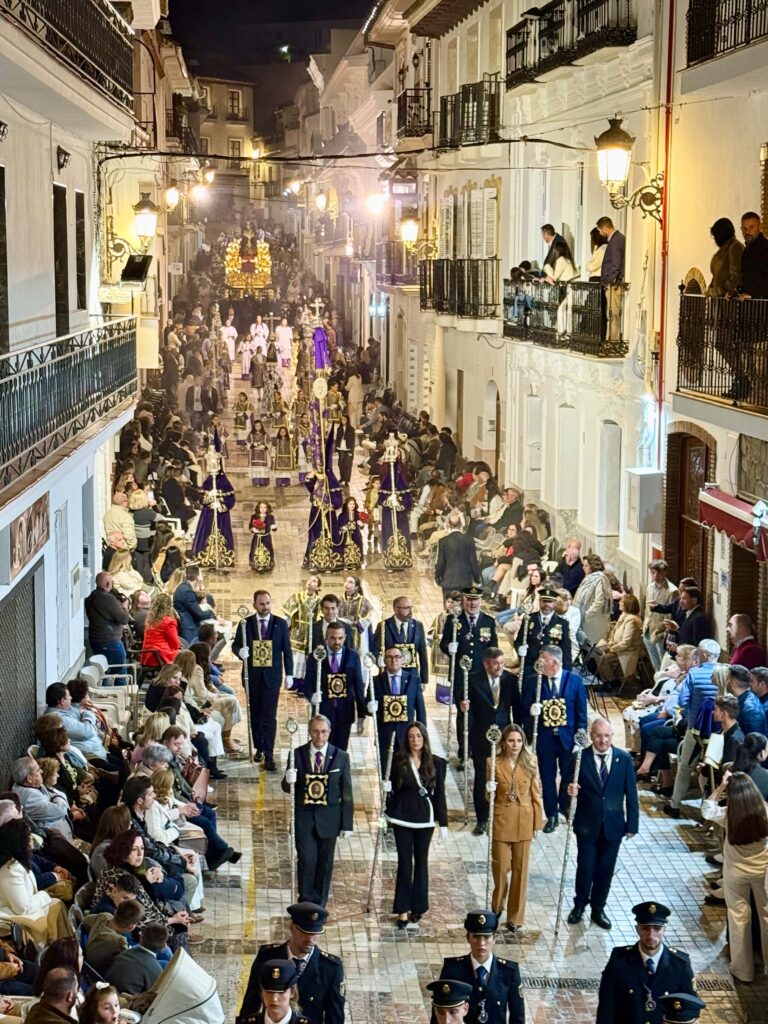
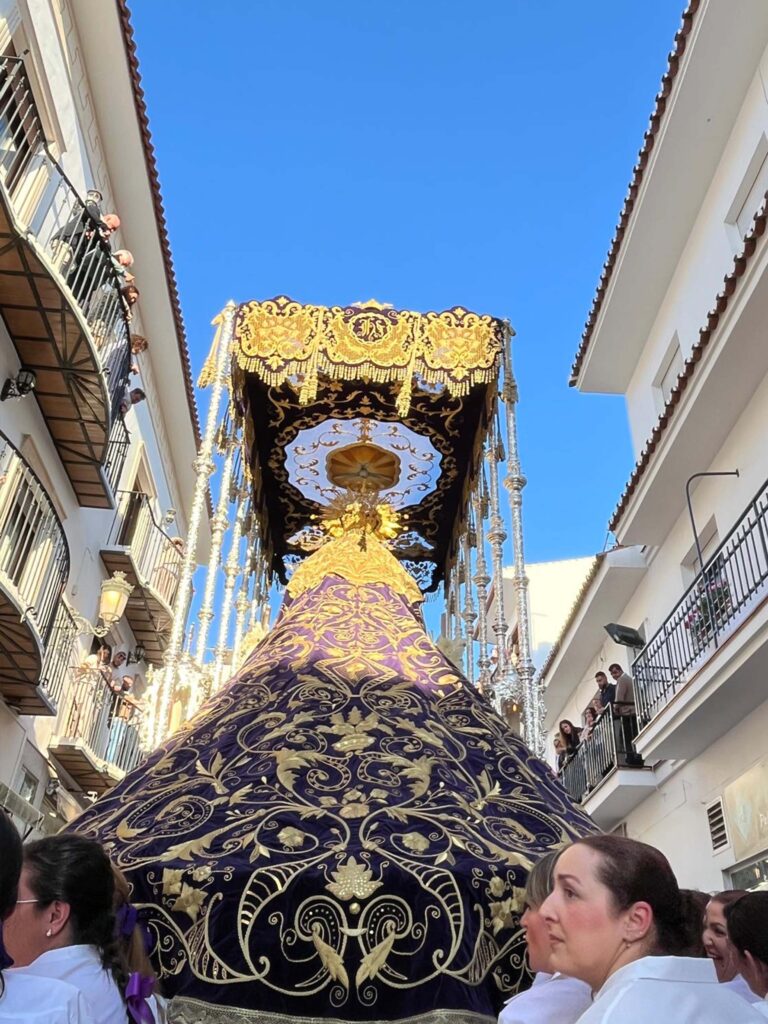
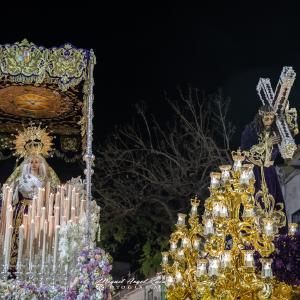
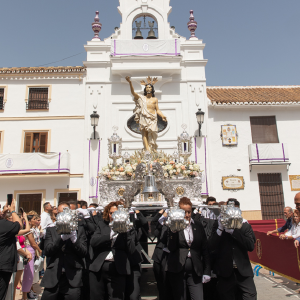
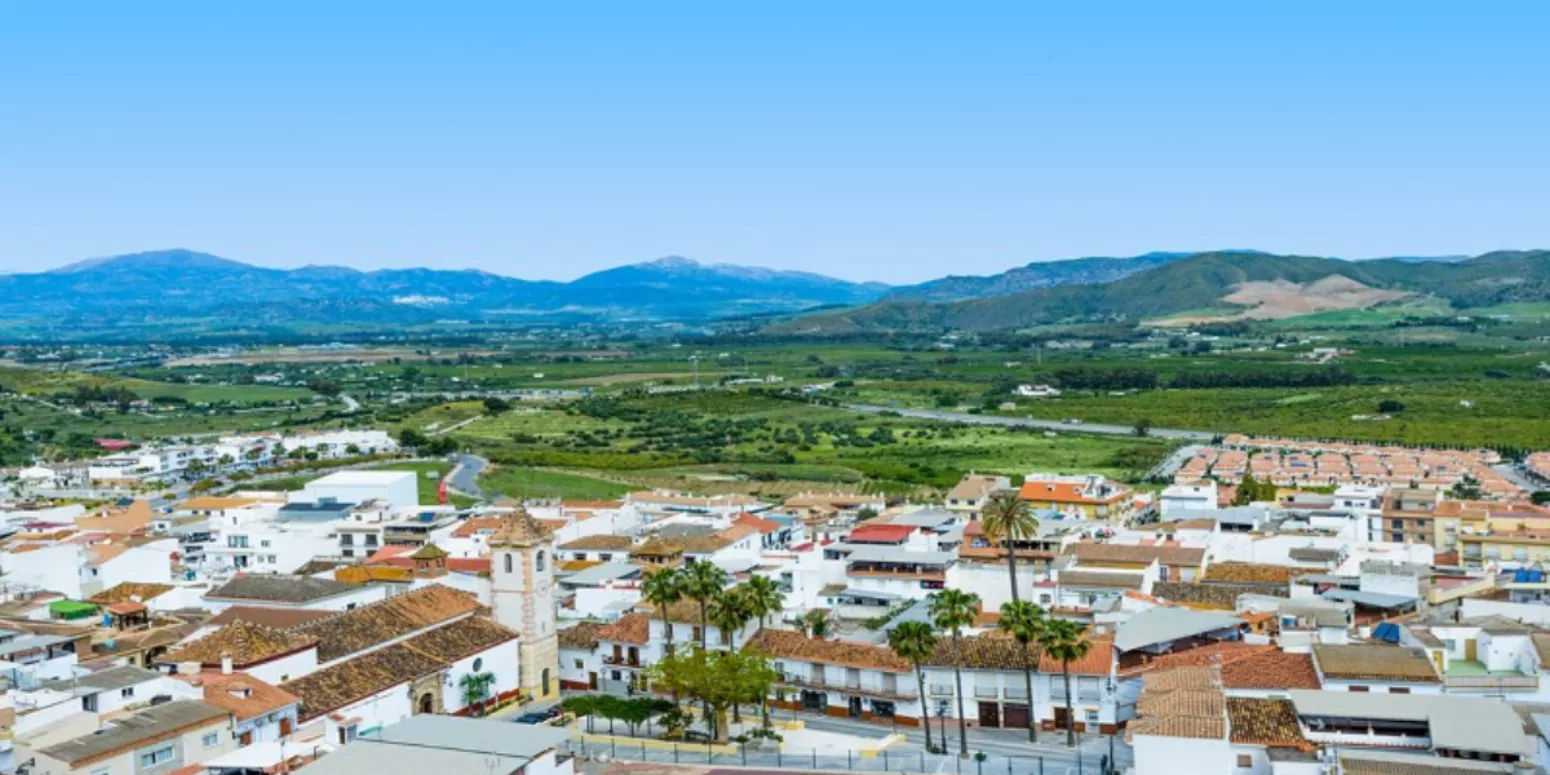
    There are places where Holy Week is observed from a distance. In Alhaurín el Grande, however, you can feel it in the streets, in the atmosphere of the town and in that change of pace that completely transforms your visit.

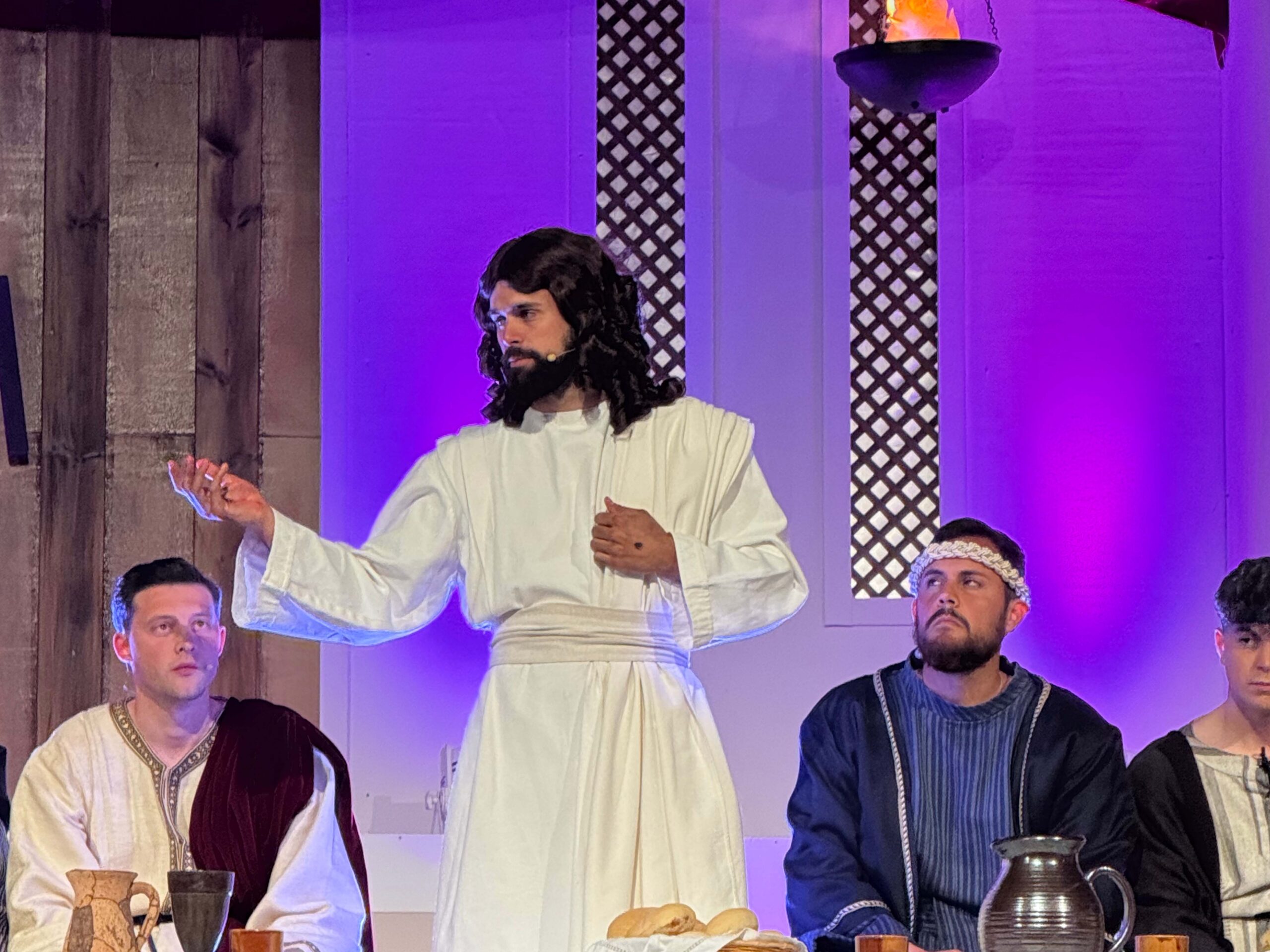
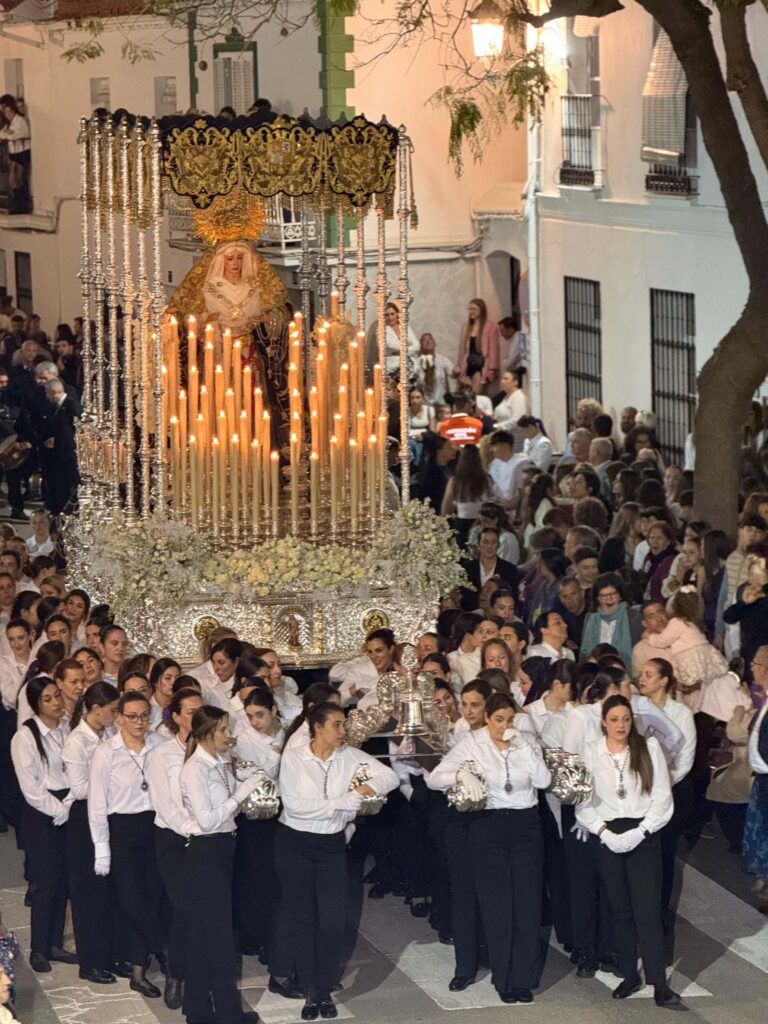
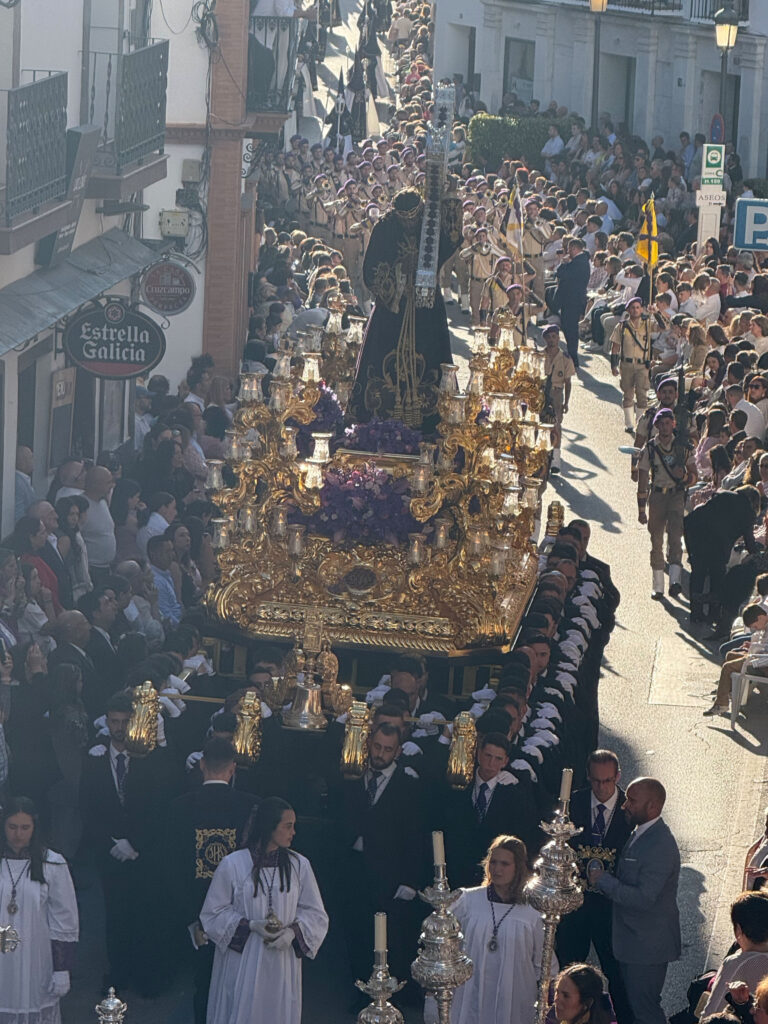
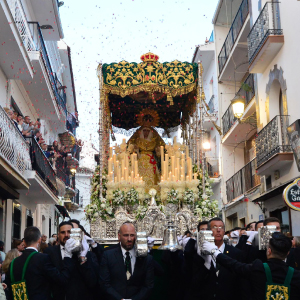
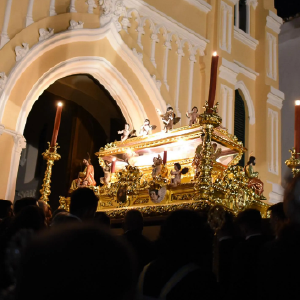
    Designated a Festival of National Tourist Interest in Andalusia, this celebration is not merely a succession of processions. On the contrary, it is a total immersion in tradition, where the value lies not just in watching a float go by, but in everything that happens around it: pre-procession events, live performances, the local atmosphere and a range of culinary delights that round off the experience.

    The Town Council has been promoting Holy Week in Alhaurín el Grande for years (including at FITUR), and in 2026 it will unveil a new official seal and logo. So, if you’re looking for a different kind of getaway in the province of Málaga, away from the crowds on the coast, here’s why Holy Week in Alhaurín el Grande should be on your travel list.

    What makes Holy Week in Alhaurín el Grande unique

    In this regard, if we had to sum up the experience in a simple formula, it would be this: the streets, tradition, devotion and cuisine. Furthermore, there is a historical element that underpins the whole town during these days:

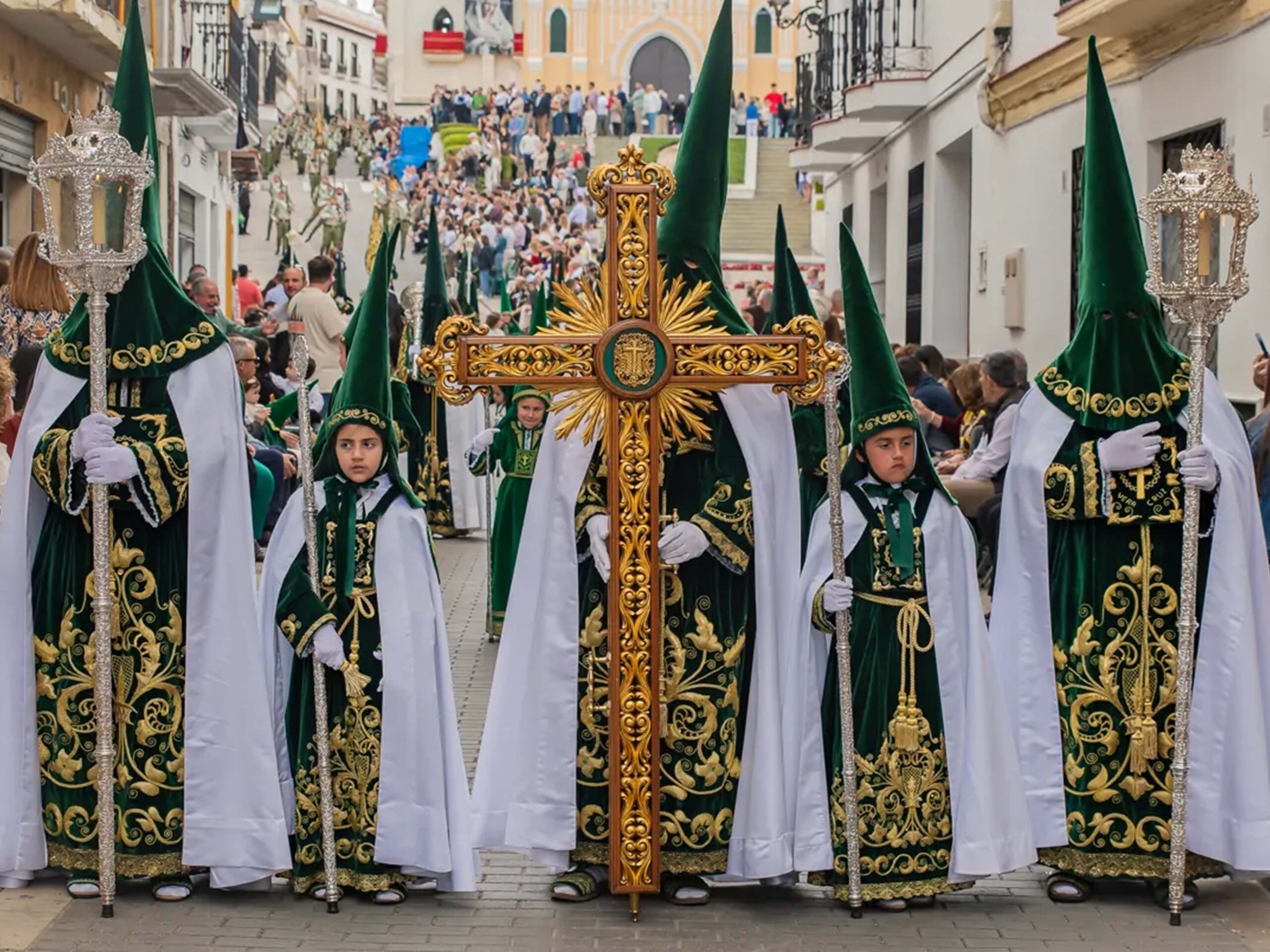
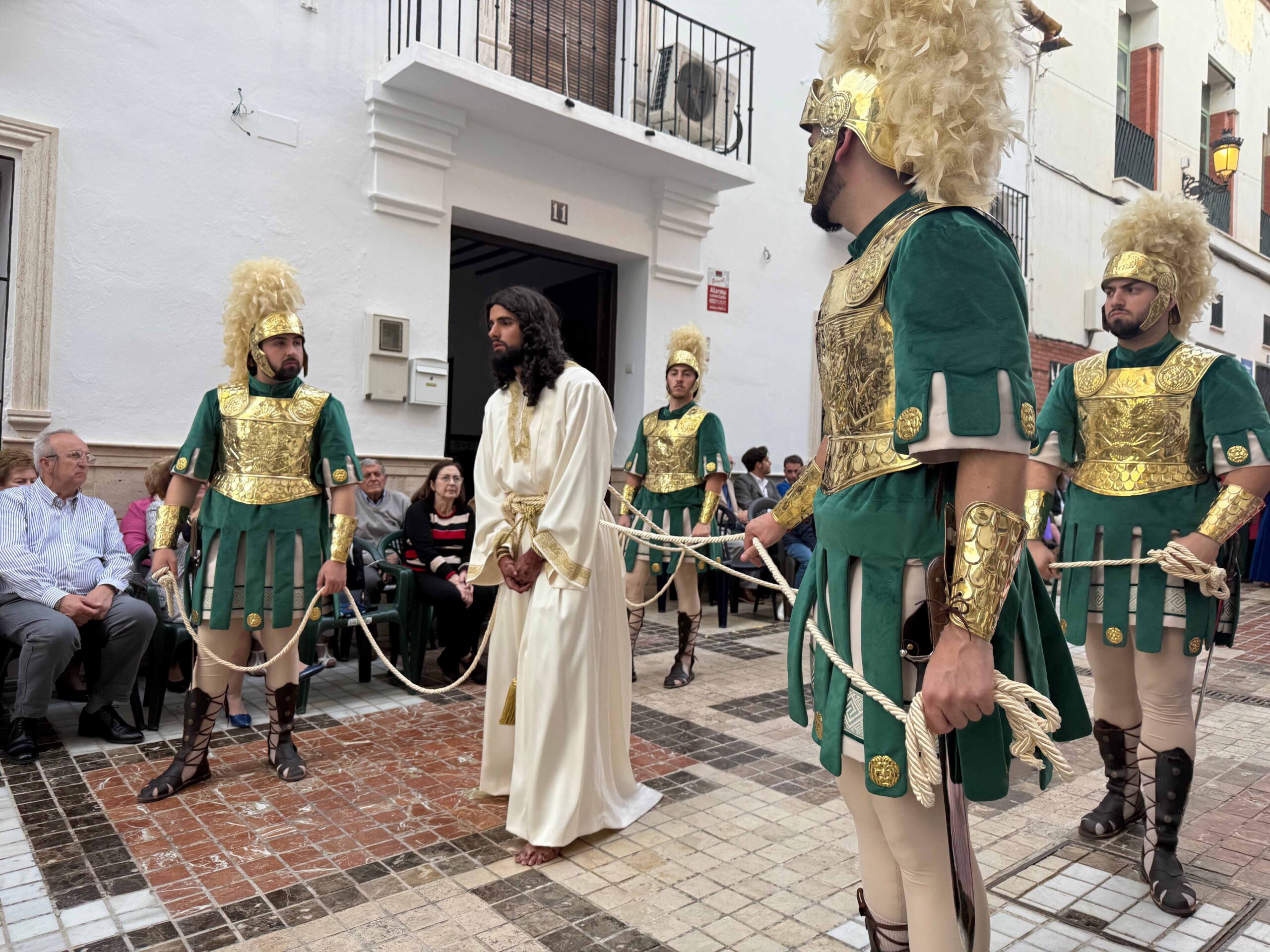
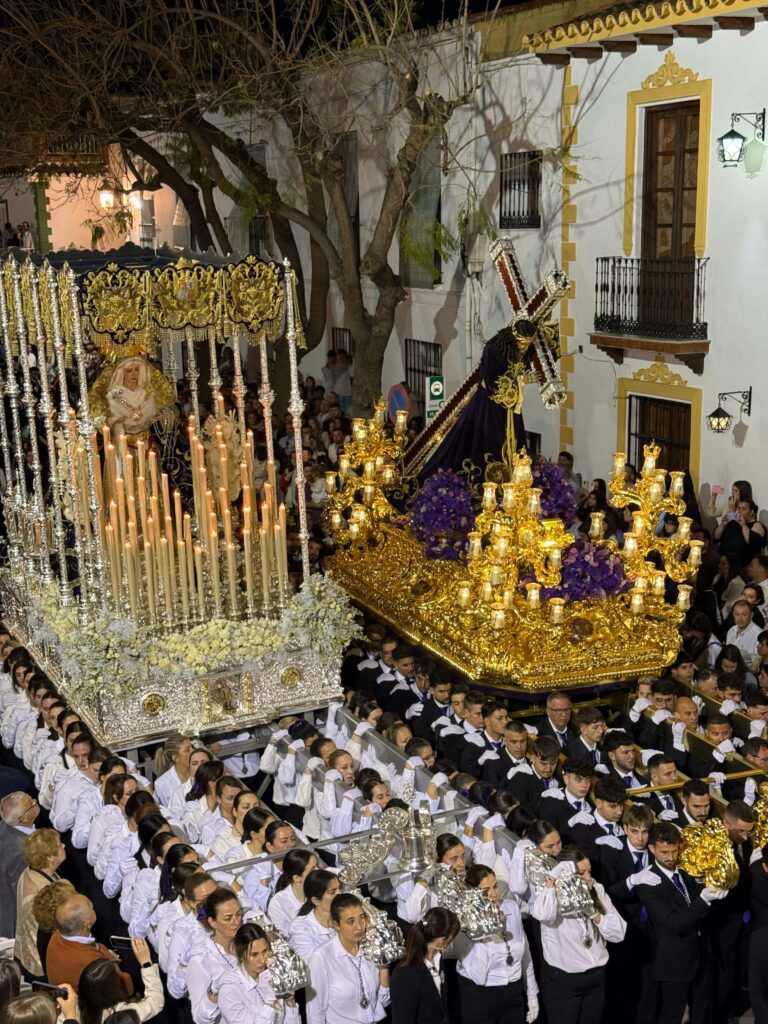
    The most distinctive feature of Holy Week in Alhaurín is that practically the whole town is divided into two major brotherhoods:

    • The Moraos: From the Royal Brotherhood of Our Father Jesus of Nazareth. 
    • The Verdes: From the Brotherhood of the Holy True Cross. 

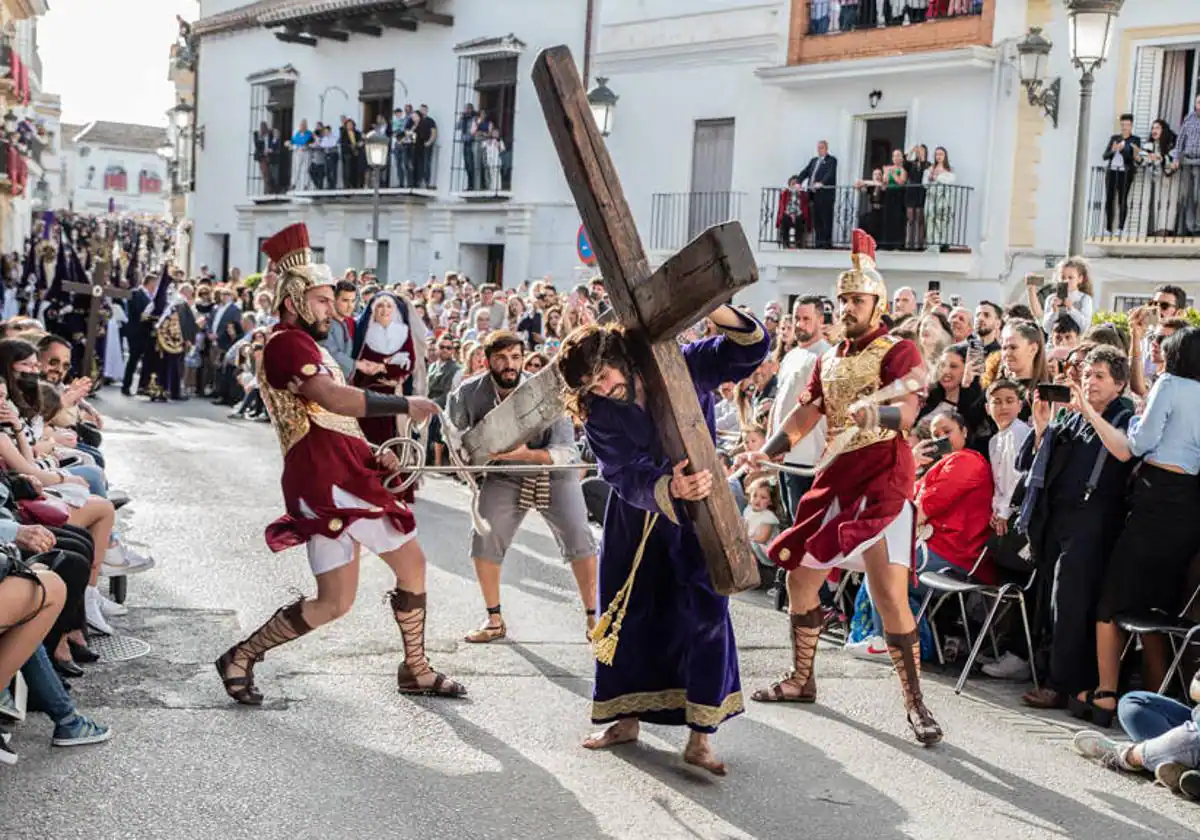
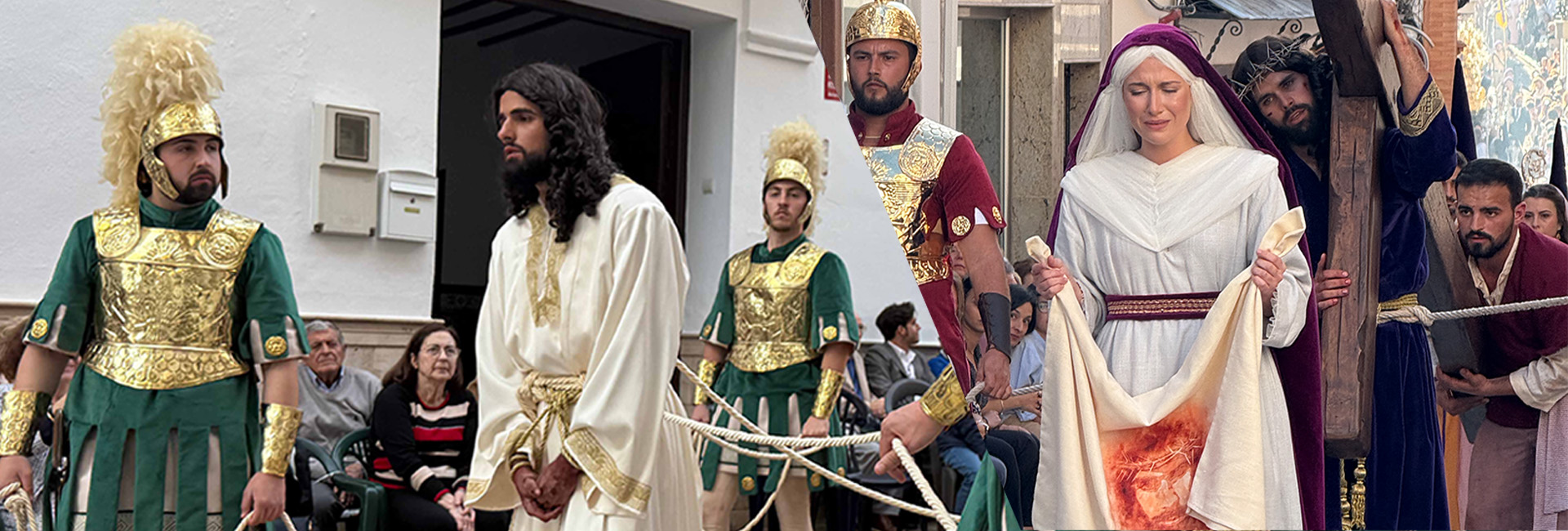
    Naturally, this means that both brotherhoods strive to their utmost each year to improve their processions, their squads of Roman soldiers and their impressive marching bands.

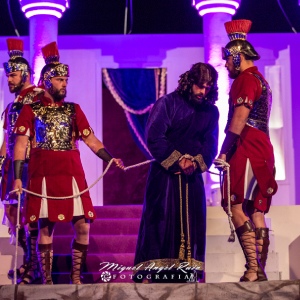
    Live performances: Open-air theatre on a grand scale

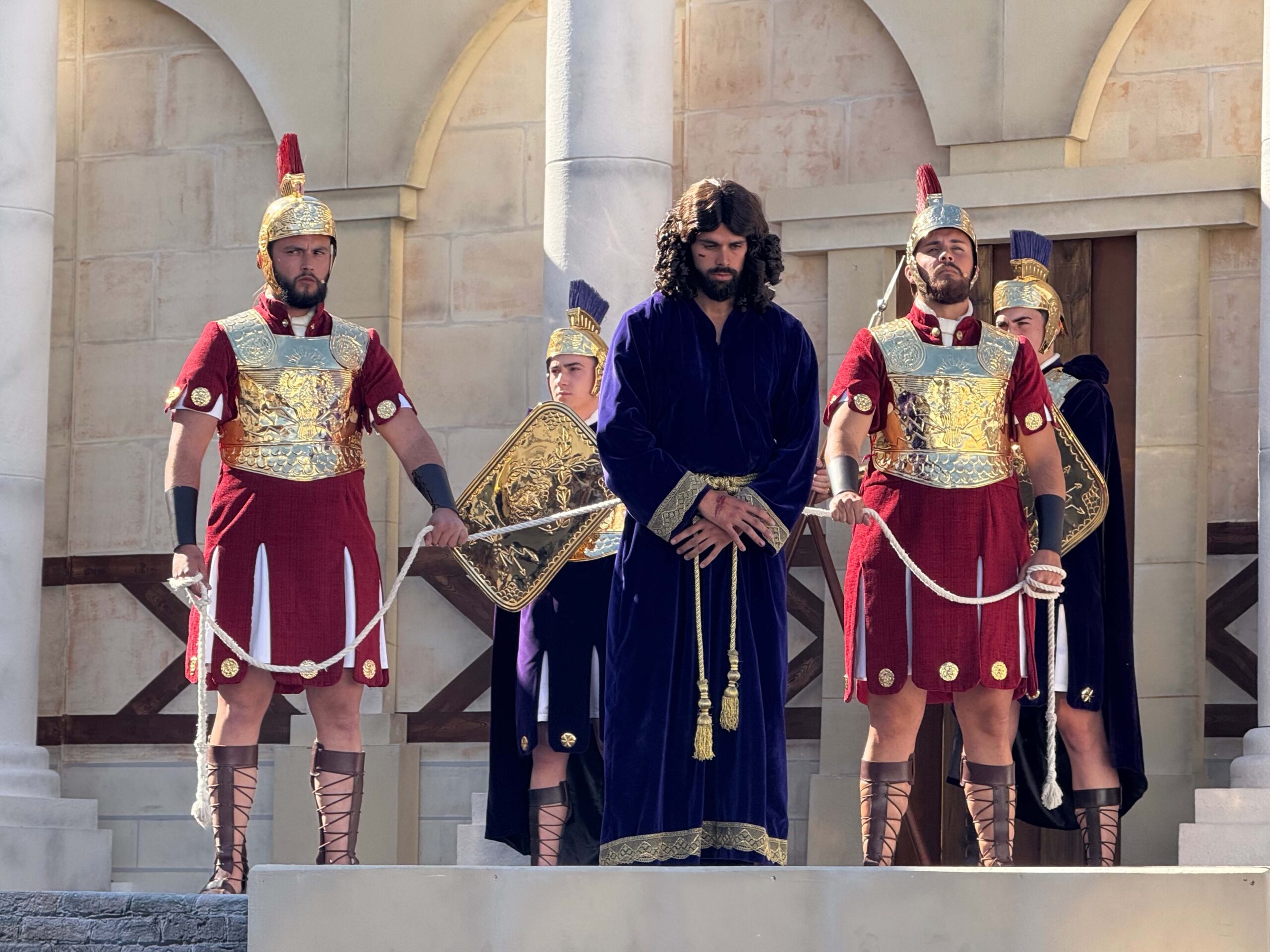
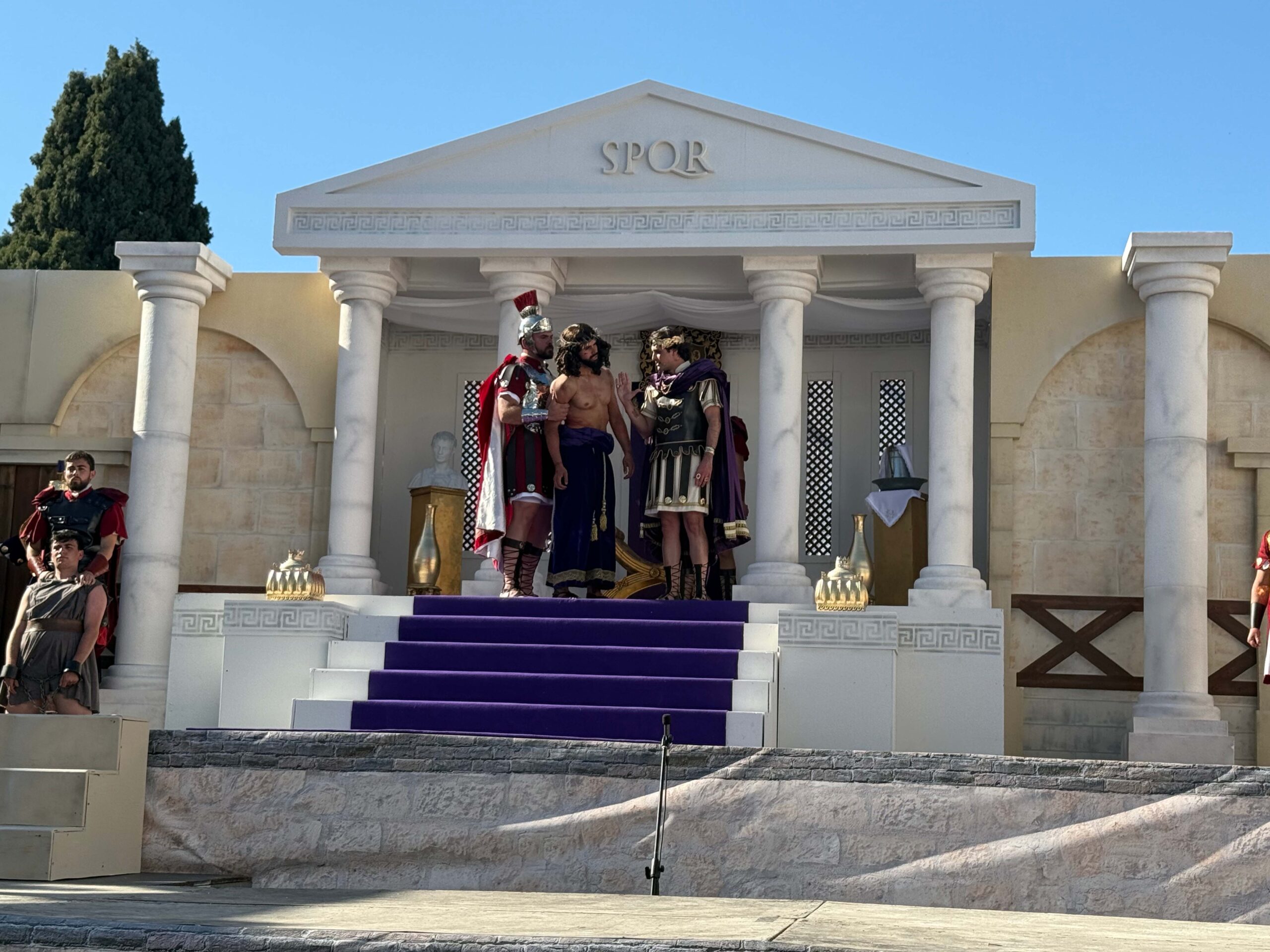
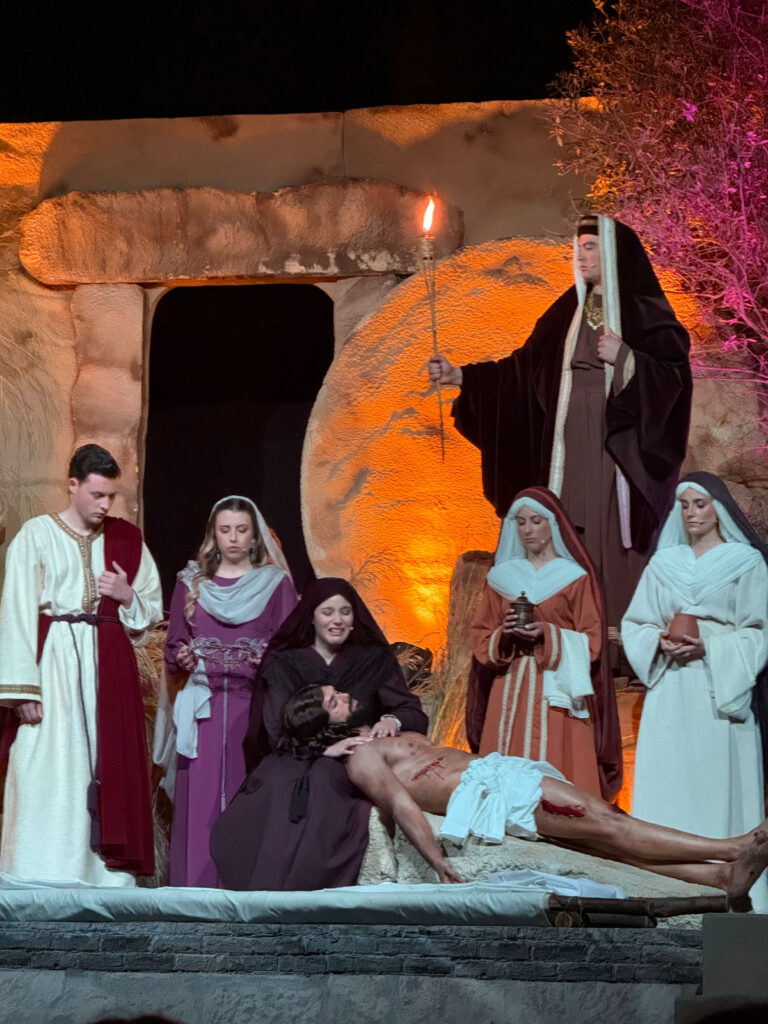
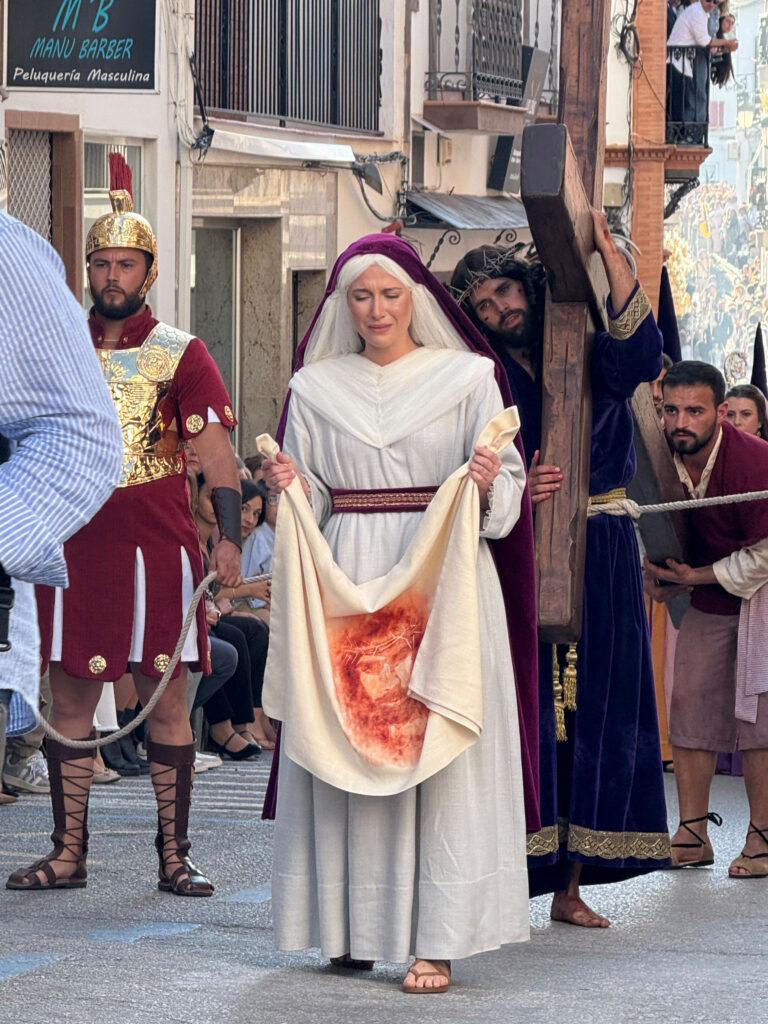
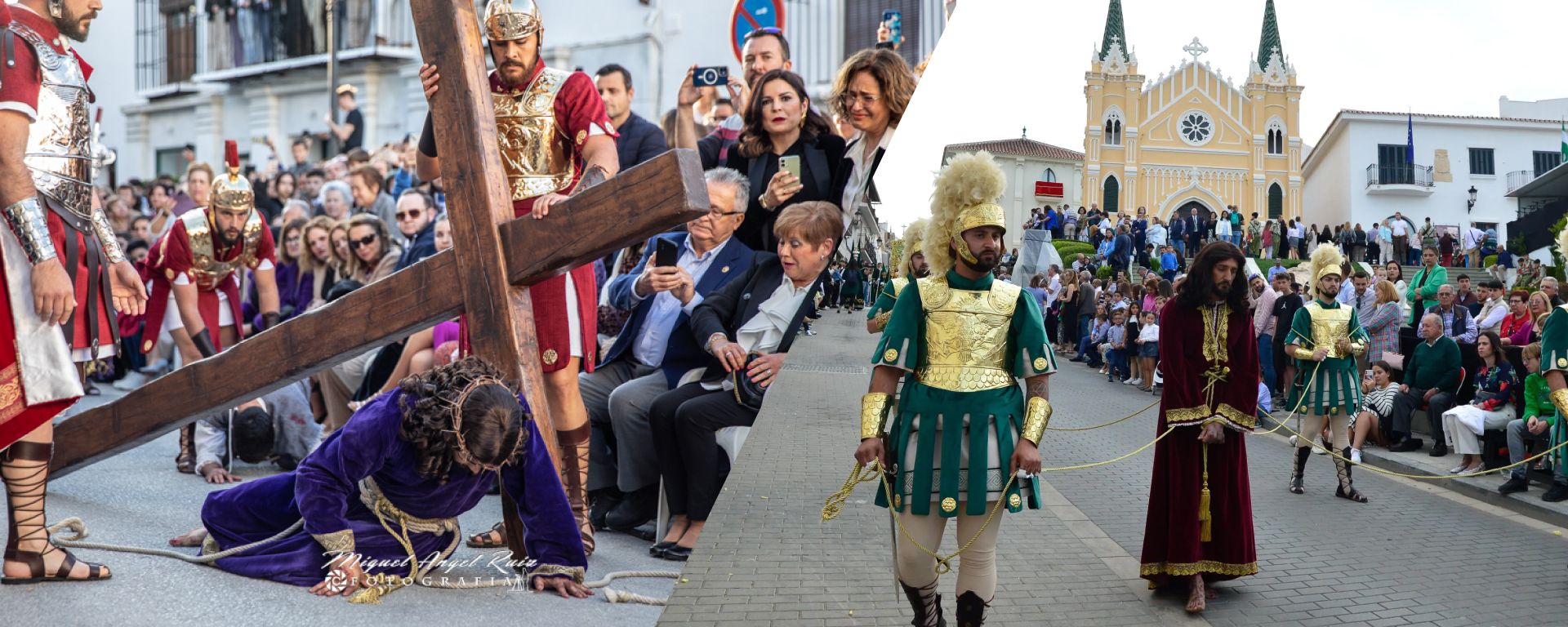
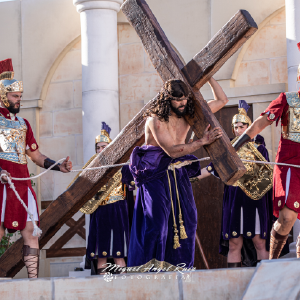
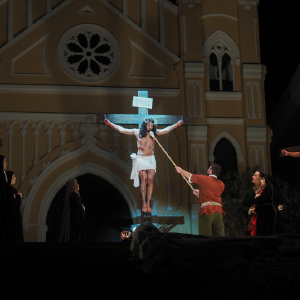
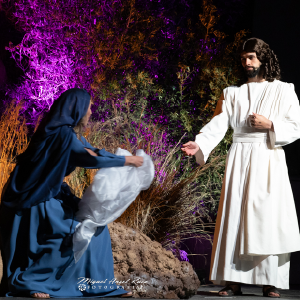
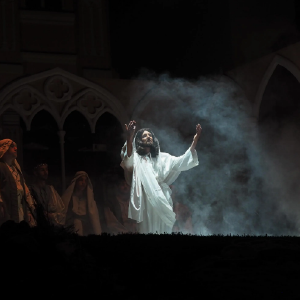
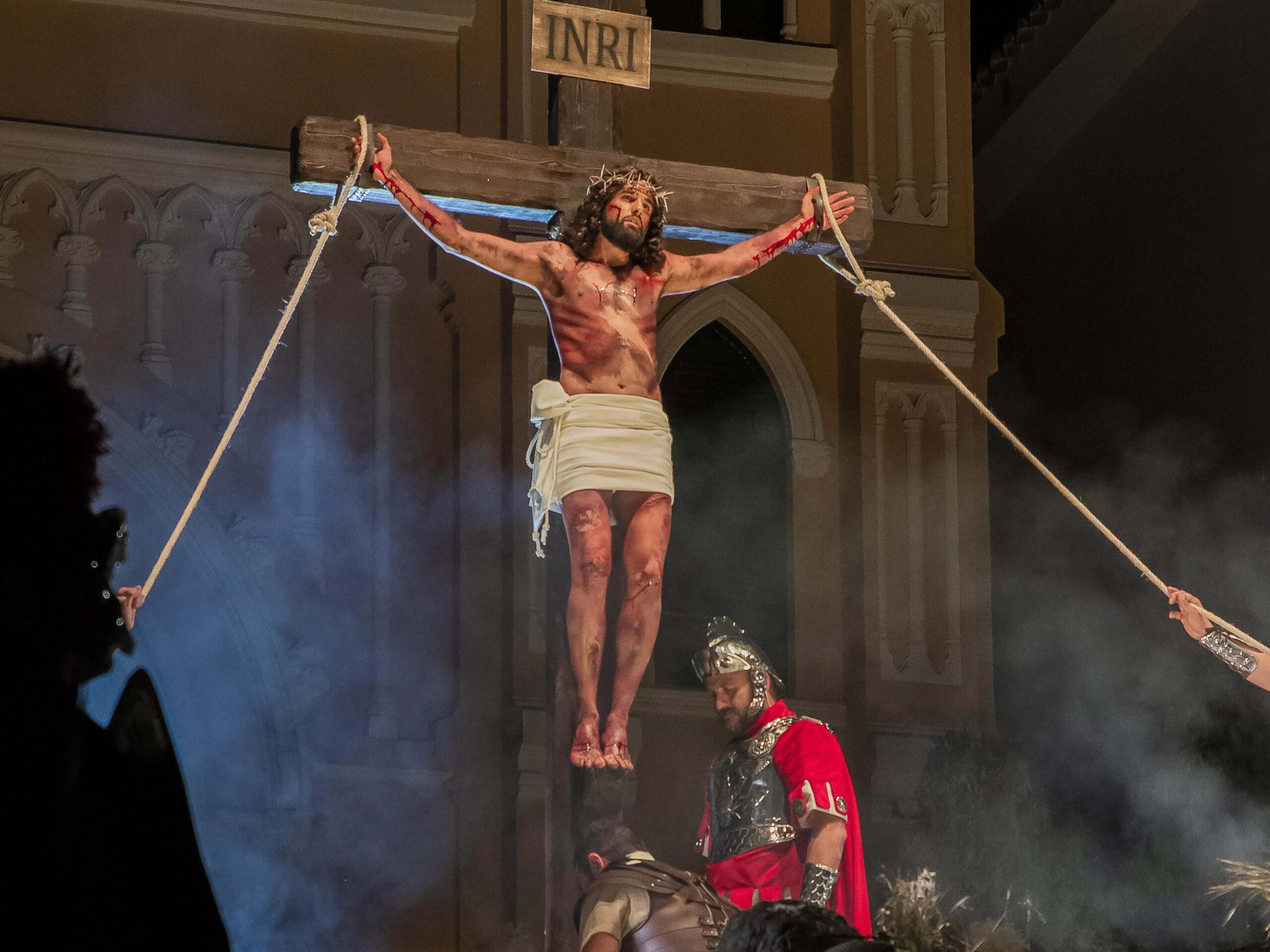
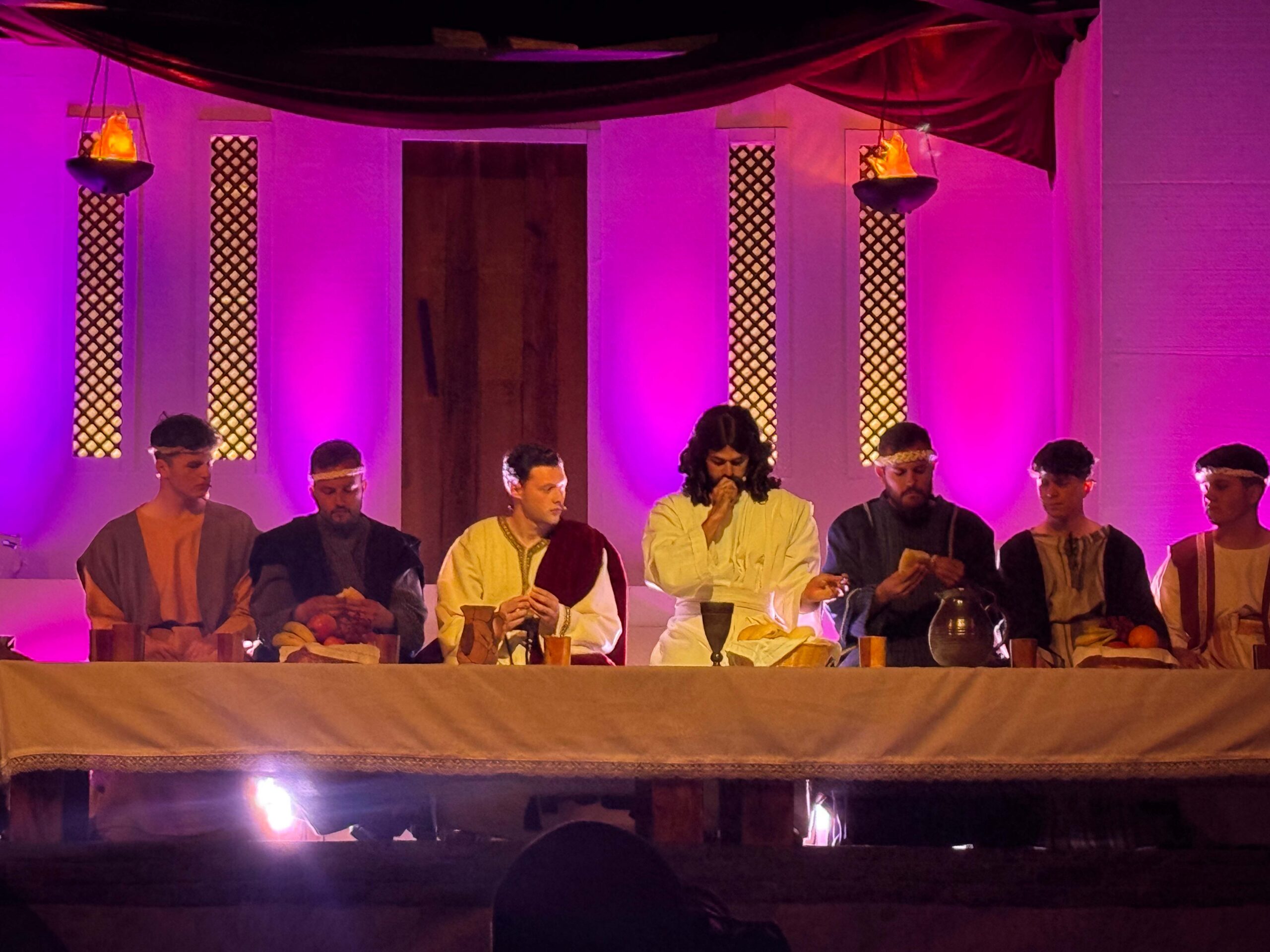
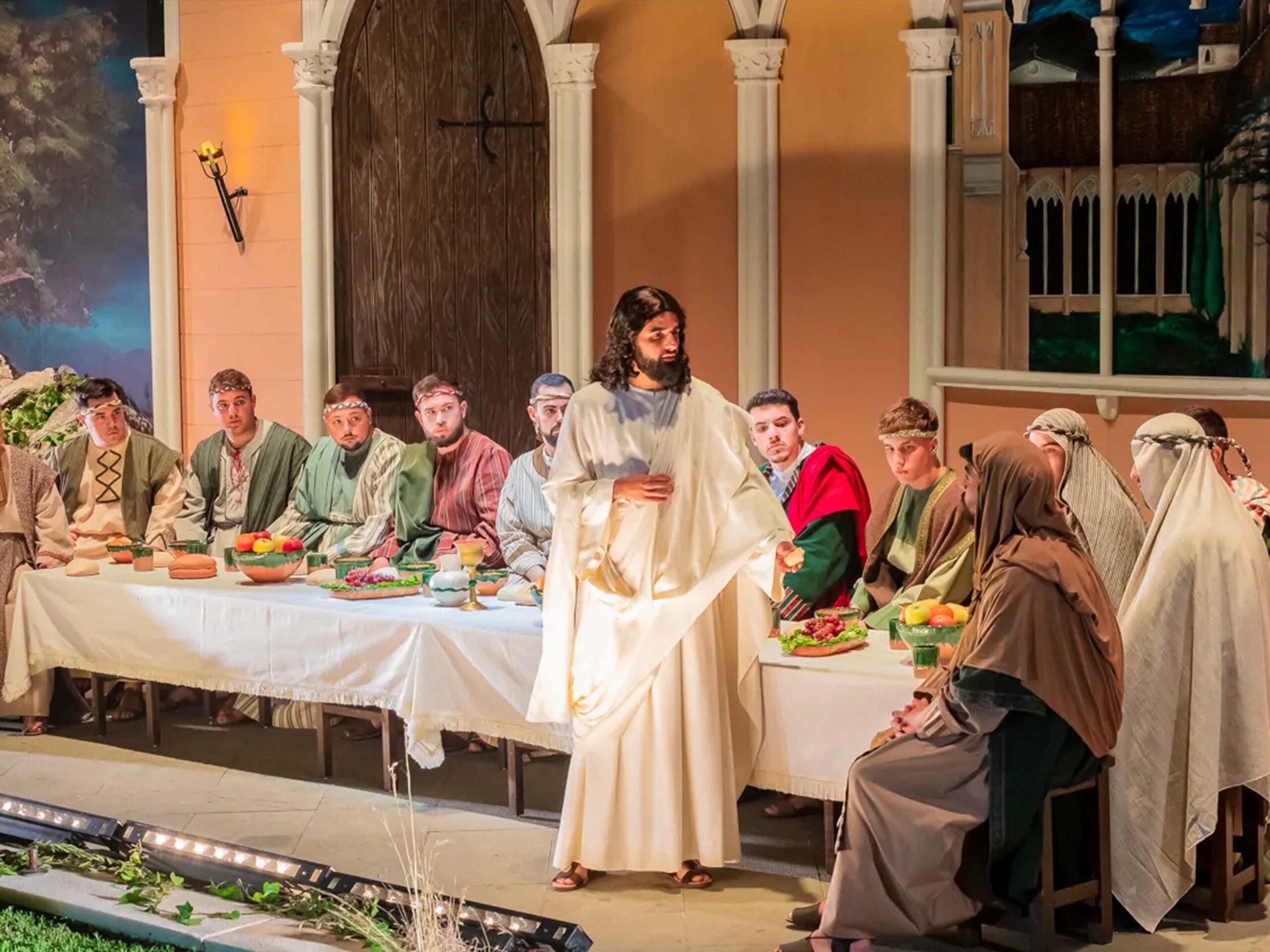
    It’s not all about the processions here. In fact, the town’s squares are transformed into life-size stages. Hundreds of locals re-enact scenes from the Passion of Christ live. As a result, it’s a spectacular, immersive experience; you get to witness a historical play right there in the town’s streets. Tickets are now on sale for the live performances on Maundy Thursday, Good Friday and Holy Saturday. A full pass costs €15. Individual tickets, however, will only be available on the day of each performance.
    🏡 Are you coming to experience Holy Week in Alhaurín el Grande?

    In fact, there are only a few days to go before the big week begins and accommodation is selling out fast. So don’t just settle for a quick visit: stay a while, relax and soak up the local atmosphere from the inside, and make sure you have the perfect getaway.


    Cuisine: Flavours of Holy Week

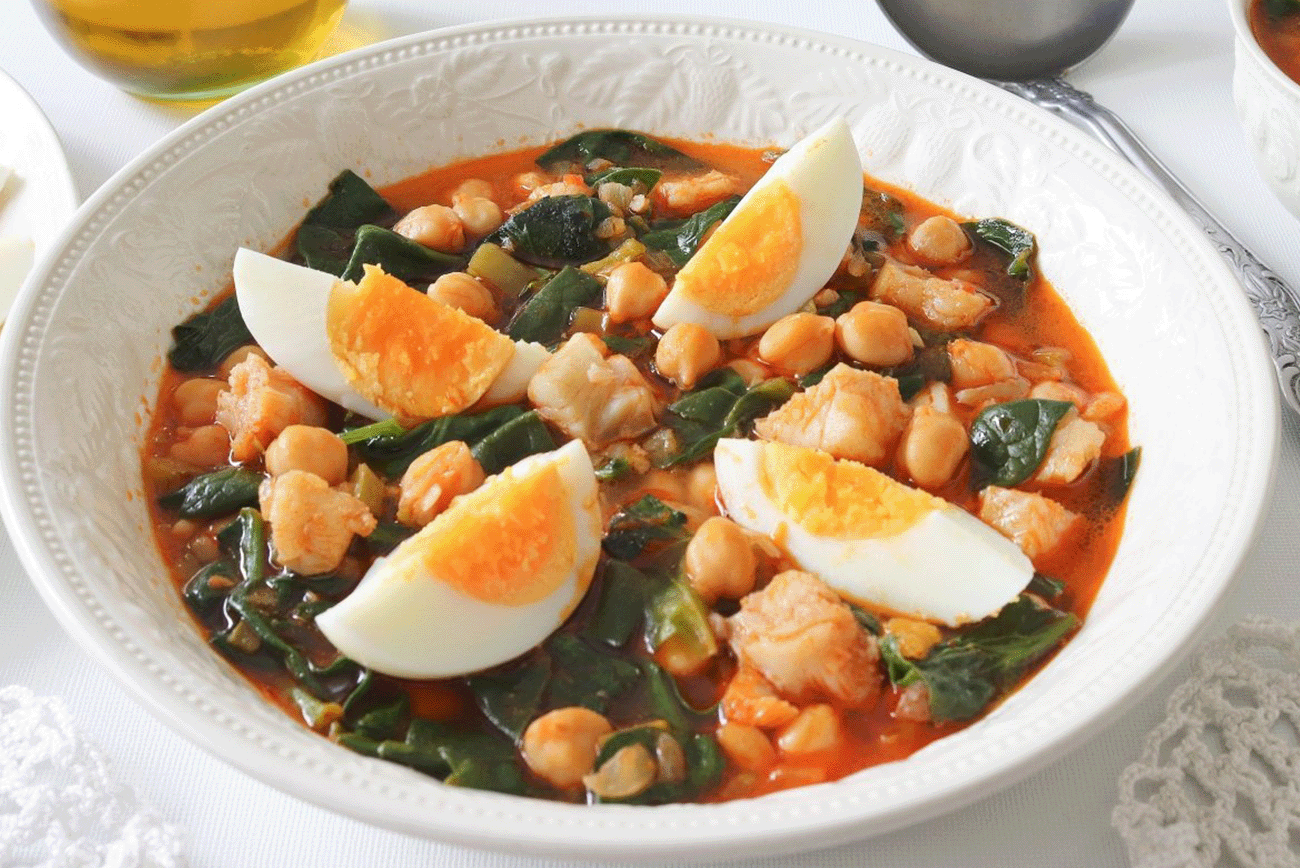
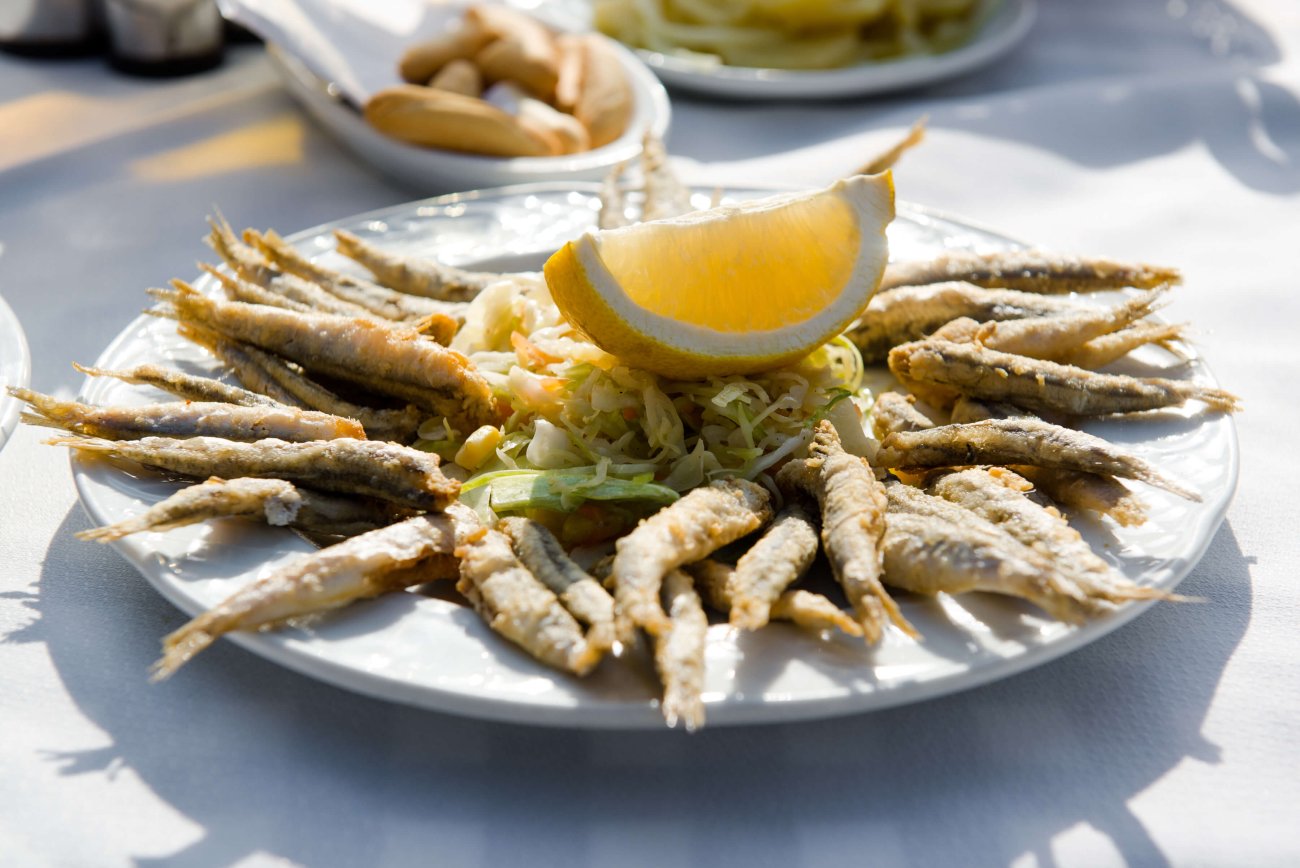
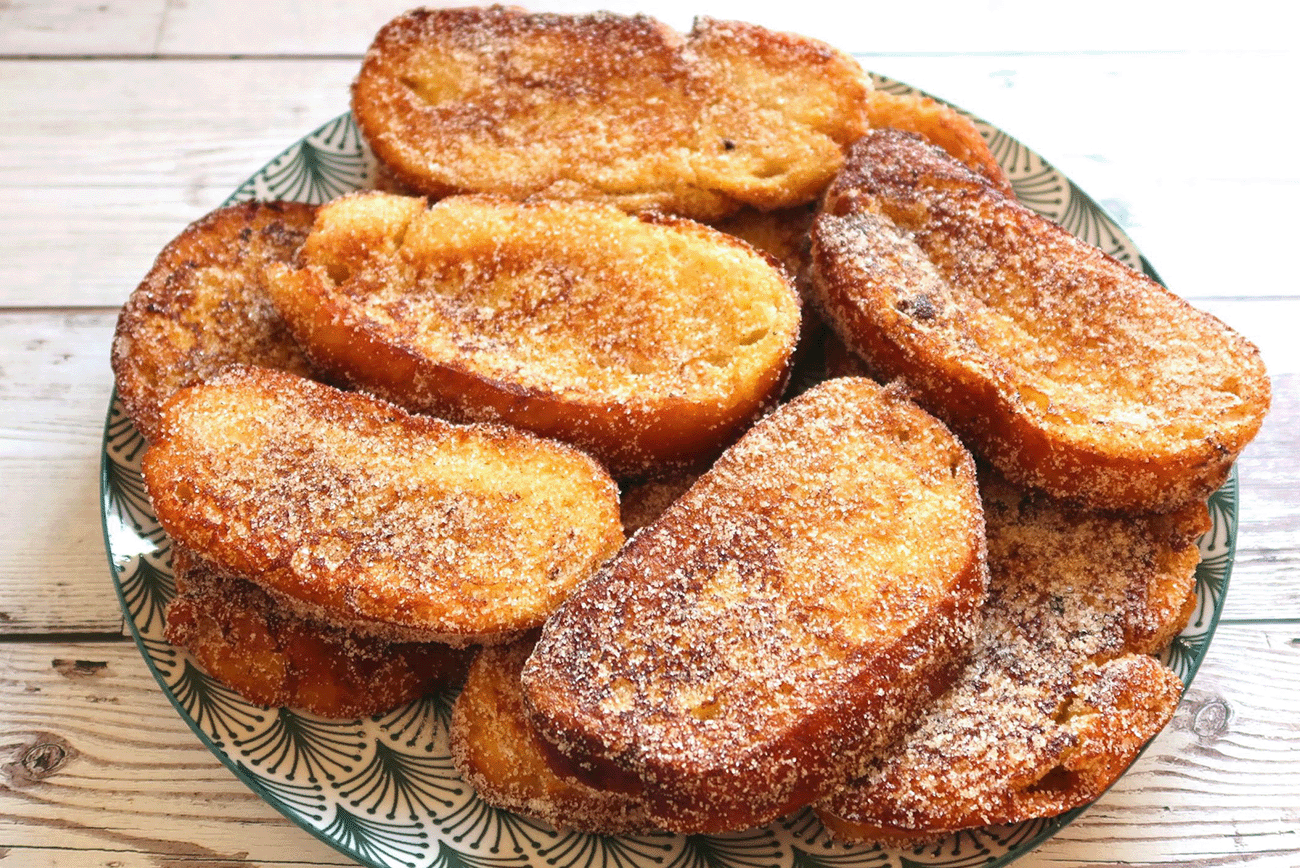
    This is the detail that many tourists only discover too late. Without a doubt, the cuisine is a cornerstone of this festival. In 2026, the Town Council has once again launched the ‘Flavours of Holy Week’ initiative, a programme focusing on Lenten dishes and traditional sweets typical of this time of year, available in local restaurants and bakeries. What’s more, strolling through the town centre, watching the streets fill up and sitting down to sample the local cuisine makes for a truly complete experience. 

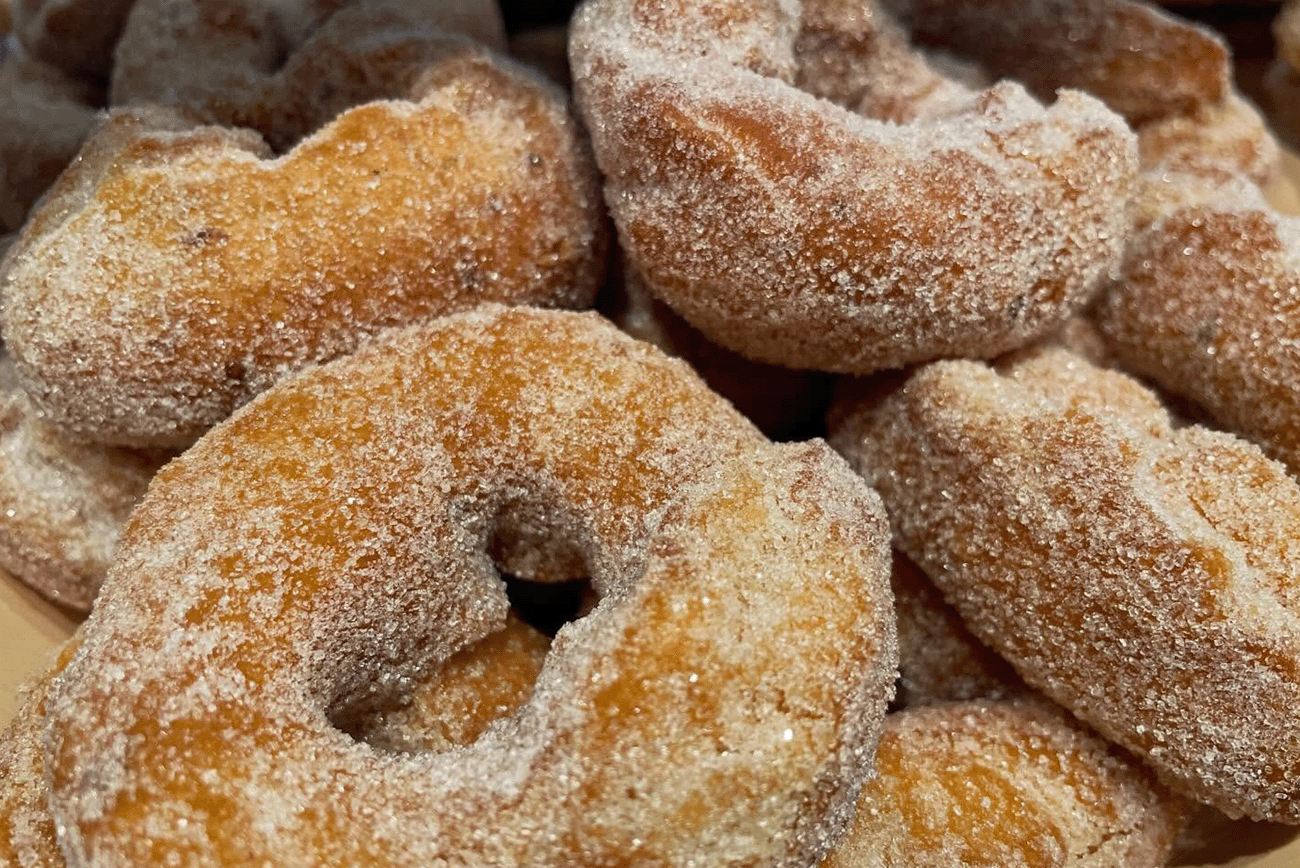
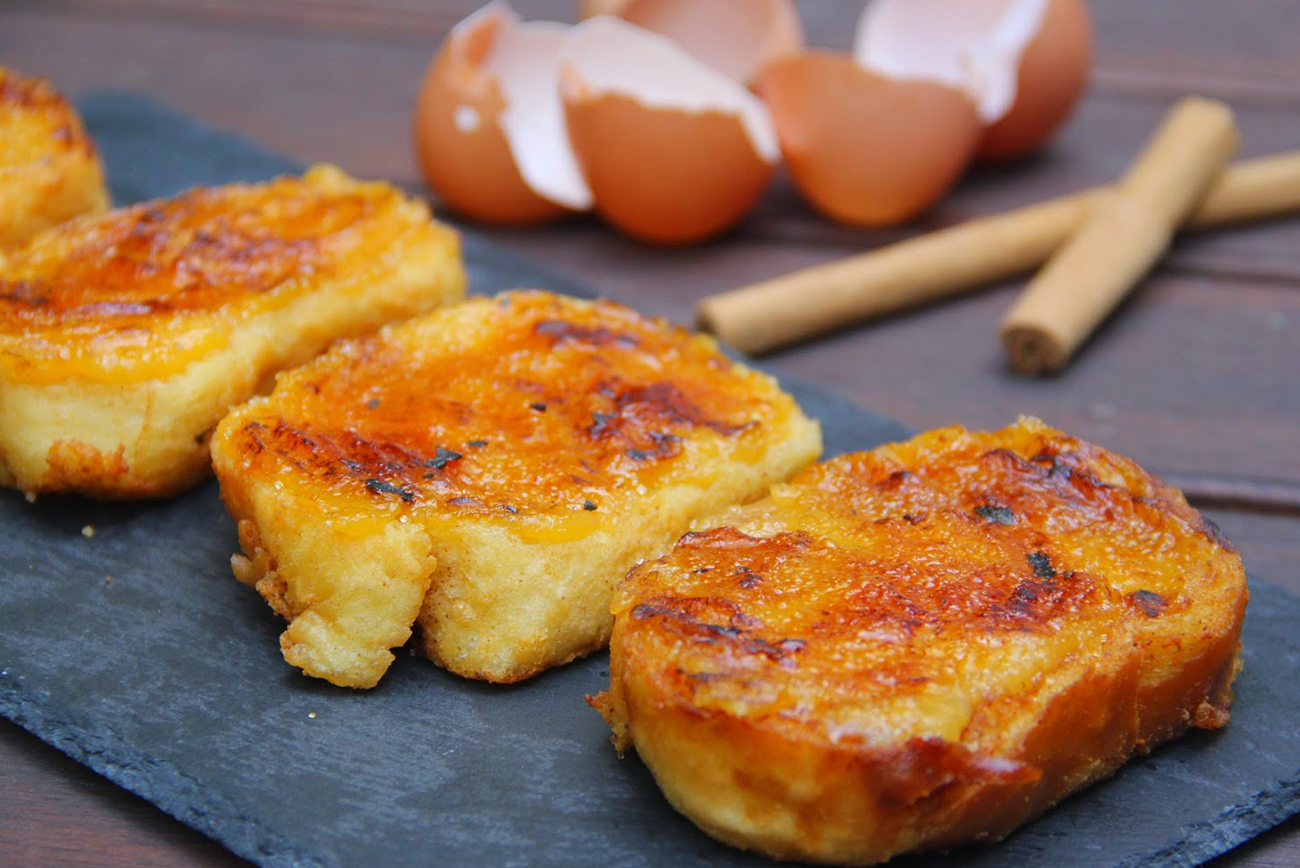
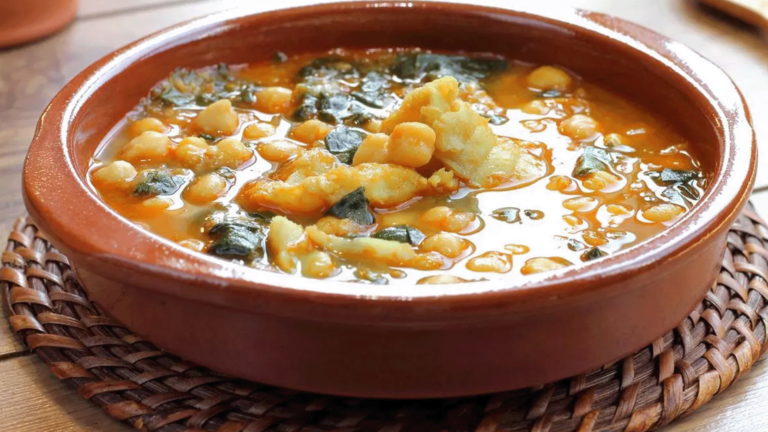
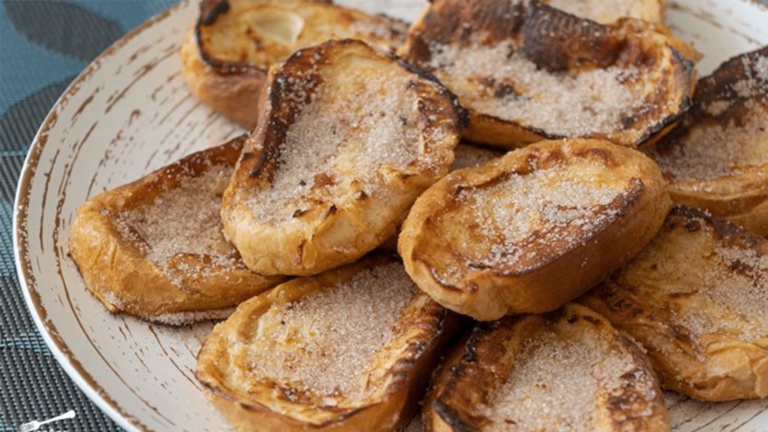
    For example, I’d recommend trying torrijas, bollos de aceite and roscos when it comes to pastries. Specifically, here are some patisseries where you can try these delicacies: Carnero, El Colmenero, Guzmán, El Rubio and Tita Gracia. Likewise, to enjoy the pre-Lent dishes featuring cod and other fish, head to: Restaurante La Arquilla, Restaurante Carolina, Tapería Casa de la Abuela, Restaurante La Lonja de la Alegría and Venta la Recta.
    Key dates for Holy Week 2026

    Make a note of the key dates in your diary so you can plan your accommodation and travel arrangements:

    • Palm Sunday (29 March): To begin with, the Palm Sunday Procession and Solemn Mass.
    • Holy Wednesday (1 April): In the convent courtyard, re-enactments of various biblical scenes, notably The Last Supper. 
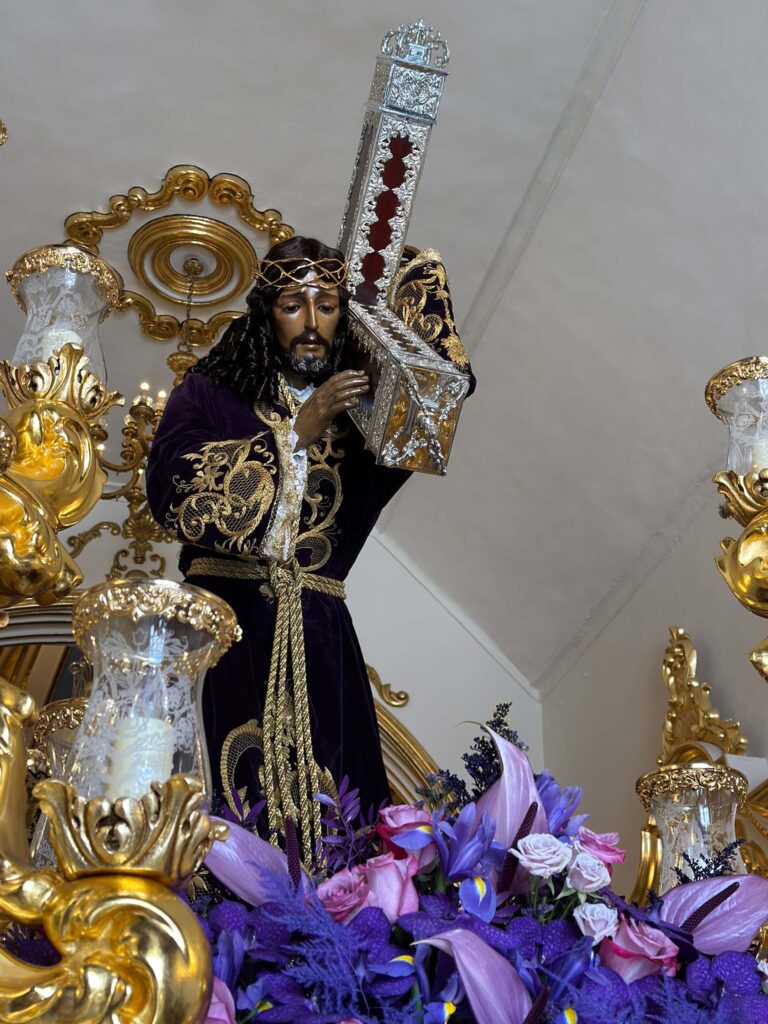
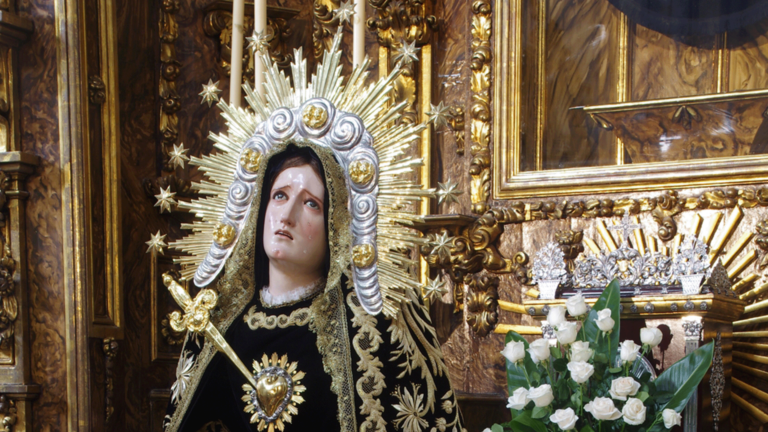
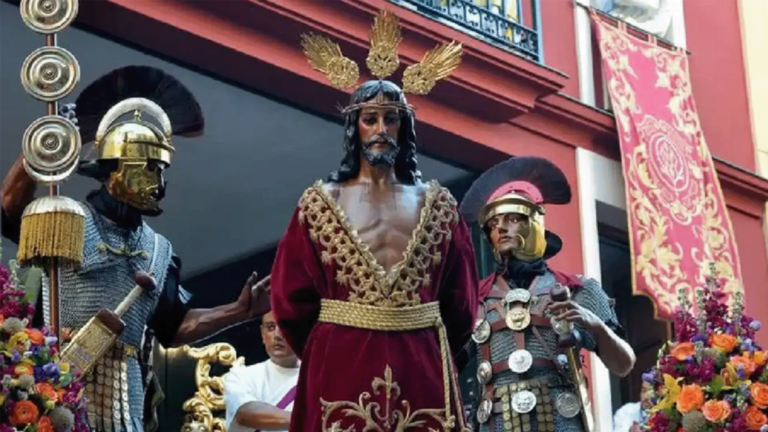
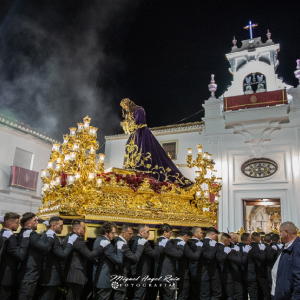
    • Maundy Thursday (2 April): The day begins with a Holy Mass of the Lord’s Supper at the parish church. At 6.15 pm, the Procession of María Santísima de la Soledad. Then, in the late afternoon and early evening, the arrival and reception of the National Police Force. This is followed by a live re-enactment of several scenes from the Passion in the Plaza Nueva, notably the Trial of Jesus before the Sanhedrin and the Trial of Jesus before Pilate (Part I). Finally, the processional departure of Our Father Jesus of Nazareth, dressed as a captive.
    • Good Friday (3 April): At 12.00, the Celebration of the Lord’s Passion in the parish church. At 5.30 pm, a live re-enactment of various scenes from the Passion: Jesus’s trial before Pilate (Part II), and his sentencing to death and the handing over of the cross. At 6.15 pm, the Solemn Processional Departure of Our Father Jesus of Nazareth and Our Lady of Sorrows, accompanied by a live re-enactment of further scenes from the Passion (The Three Falls). From 9.15 pm in the Plaza del Convento: dramatisations of various scenes (the Crucifixion, Death, Descent from the Cross and Burial of Christ), followed by the Solemn Procession of the Holy Burial of Christ. 
    • Holy Saturday (4 April): The day begins with the Condolences to the Virgin. Then, in the evening, the Easter Vigil and, finally, in the Plaza Nueva and the convent courtyard, the live re-enactment of the Resurrection of Our Lord Jesus Christ.
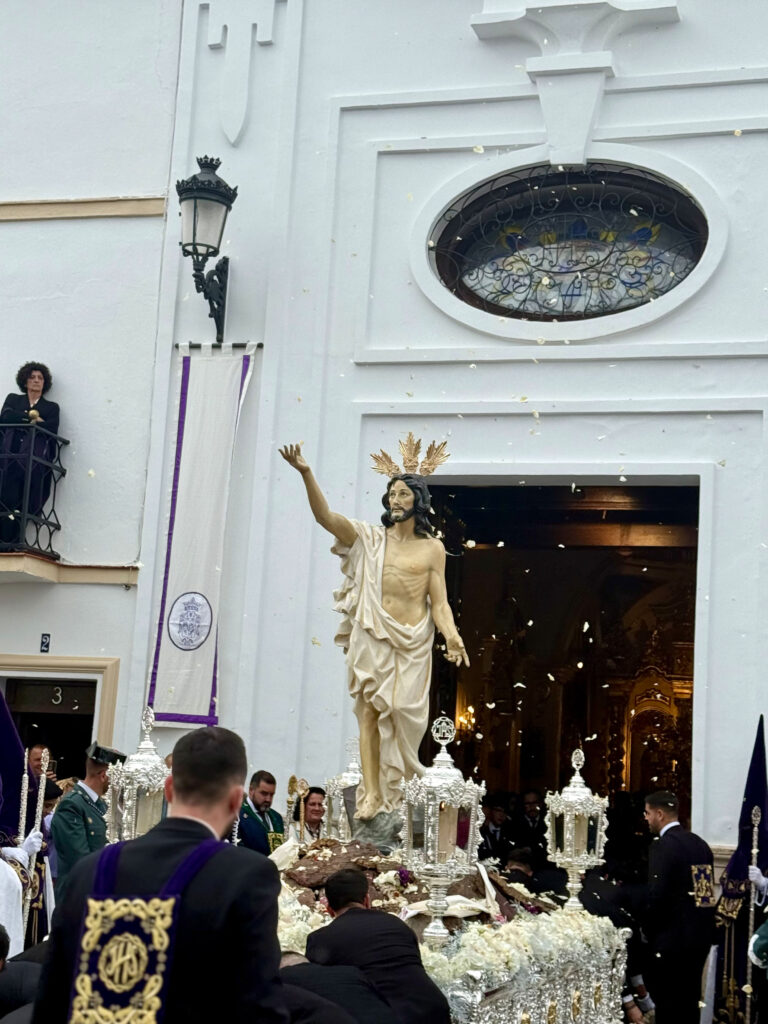
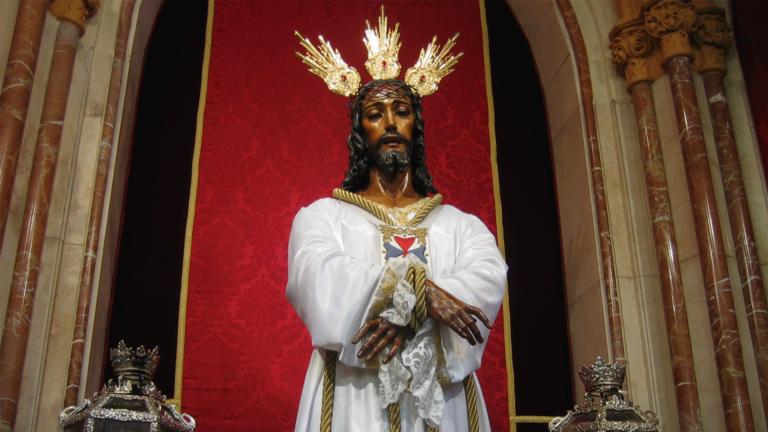
    • Easter Sunday (5 April): This is, in short, the grand finale of Holy Week. At 12.00 there is the Solemn Eucharist of Easter Sunday and at 13.00 the Processional Departure of Our Father Jesus the Risen One.
        •  

    How to organise your visit

    1. Allow plenty of time: Generally, the most common mistake visitors make is rushing in and out on the same day just to see a specific float. Set aside at least one full day or, better still, stay overnight in the area. That way, you won’t be tied to a single procession and you’ll be able to soak up the town’s true atmosphere.
    2. Check the official programme: Each year’s event has its own timetable. In addition, the Town Council publishes the official programme with the routes of the performances and processions.
    3. Keep the Tourist Office details to hand: If you have any queries, the Tourism Department offers visitor assistance.
    4. Locate the starting points and routes: Firstly, bear in mind that the processions of Los Verdes begin their route from the Convent, whilst those of Los Moraos set off from the Chapel. Furthermore, all the brotherhoods follow a central route through the town. Their processions pass through main streets such as Plaza Alta, Calle Cruz, Calle Real, Las 4 Esquinas and Calle San Sebastián. Consequently, finding a spot on these streets is a sure-fire way to enjoy watching the floats go by.

    Who is this destination for?

    Holy Week in Alhaurín el Grande is perfect for travellers seeking a village with a genuine atmosphere rather than just a ‘backdrop’ for photos. Above all, it’s ideal for those looking to combine tradition and fine cuisine on a spring break with its own unique character, far from the hectic pace of the coast.

    In short, if you’re looking for an experience with character and streets full of life, Alhaurín el Grande is definitely worth a spot on your calendar. And remember: the best way to experience it isn’t to rush in, but to stay a while, have a stroll and feel like just another local.
    👇 Have you got everything sorted for your trip?

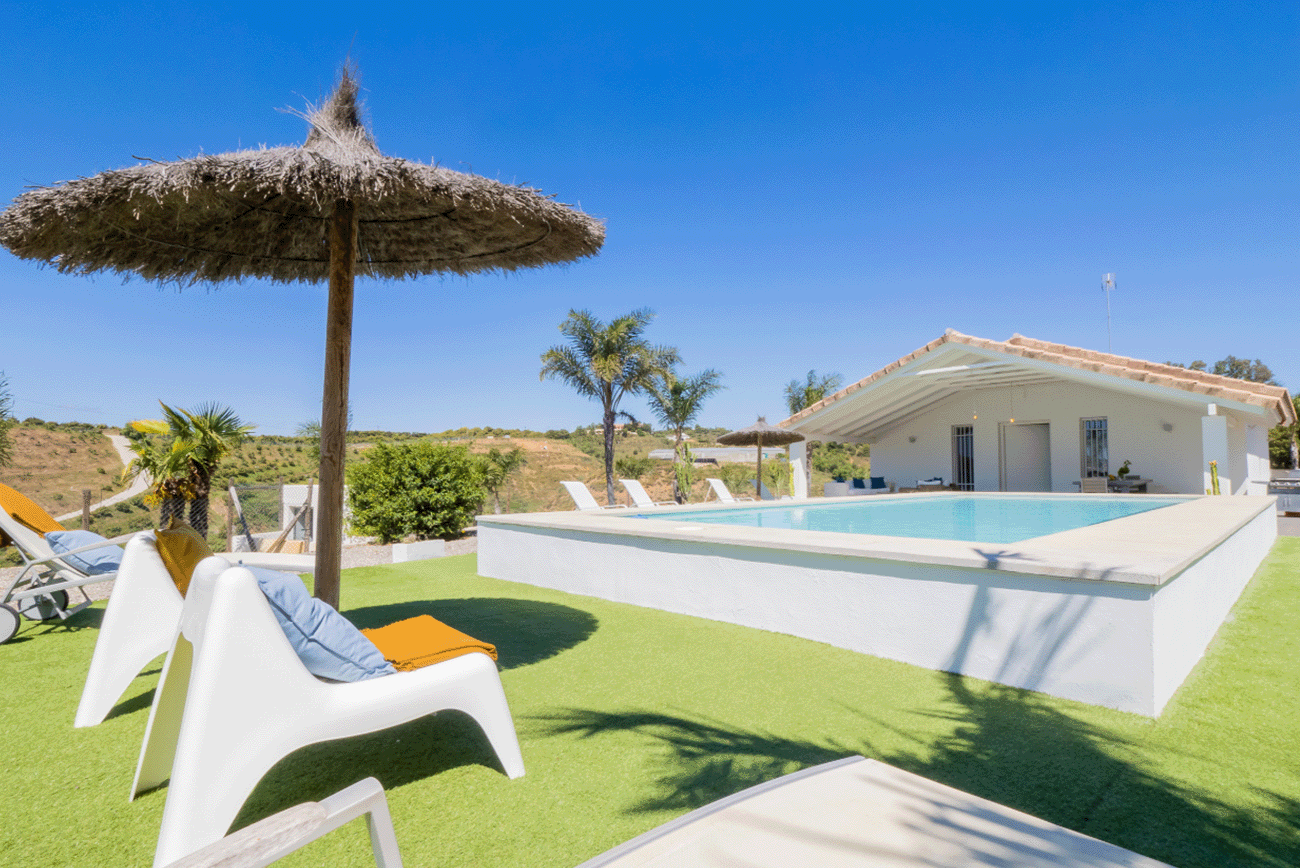
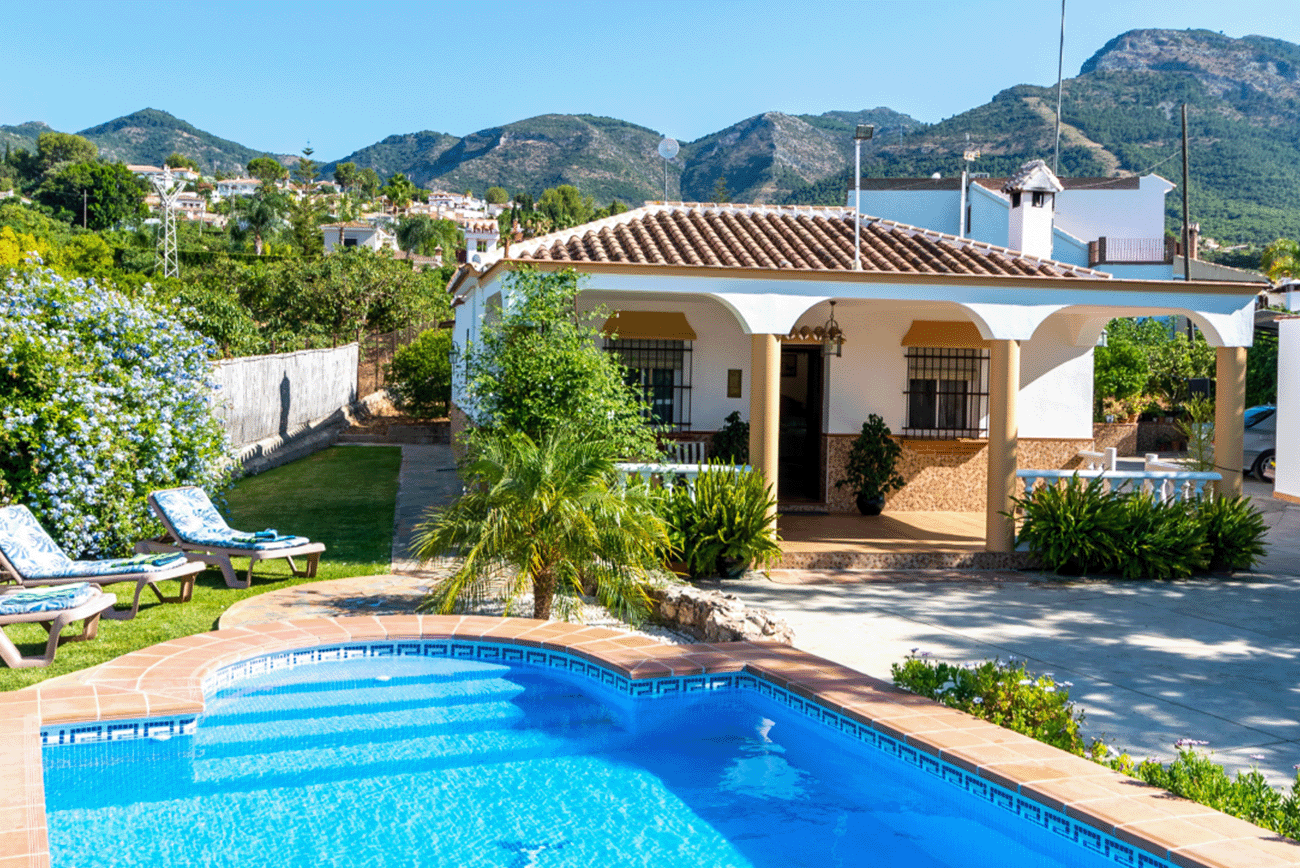
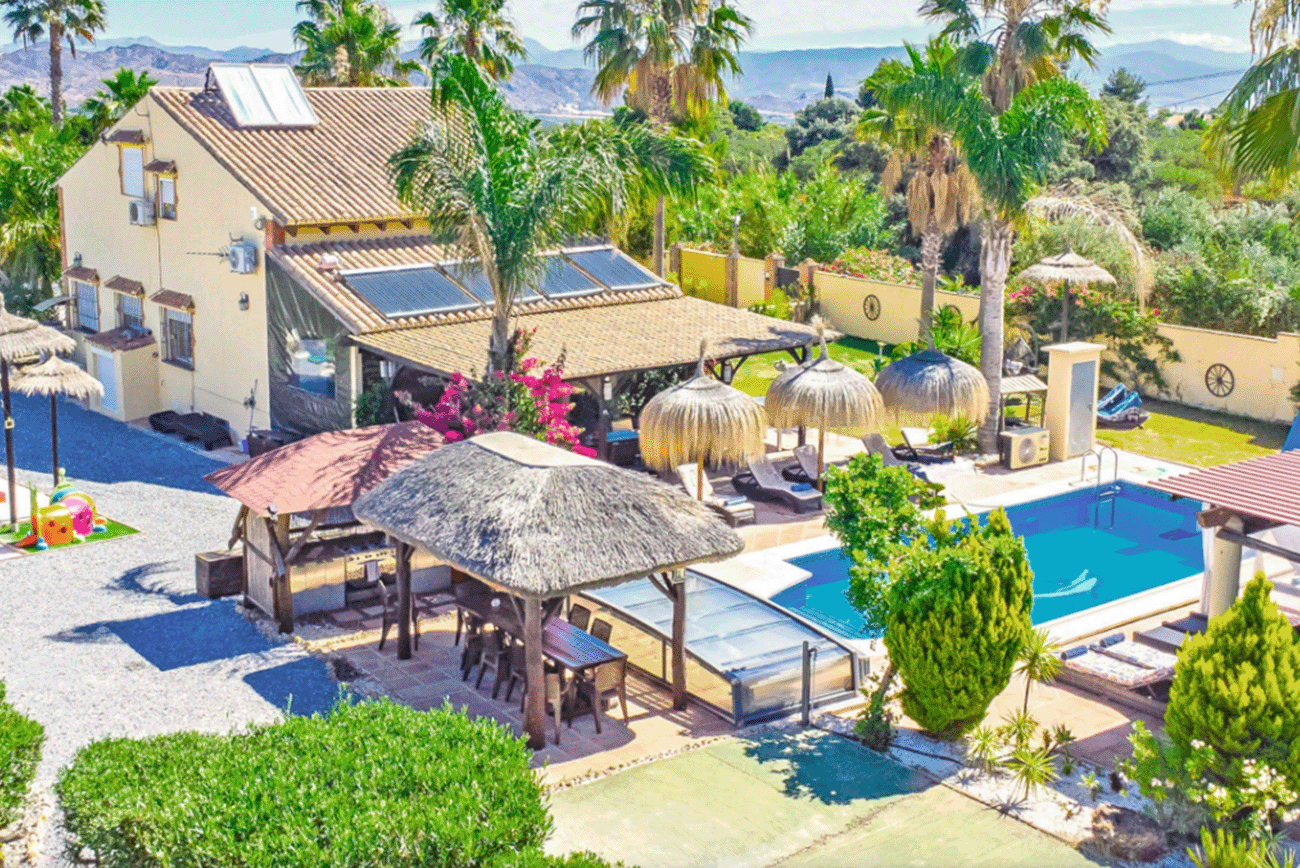
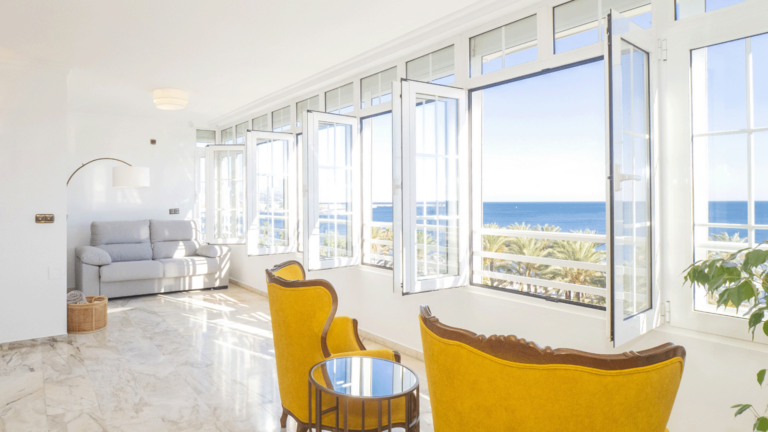
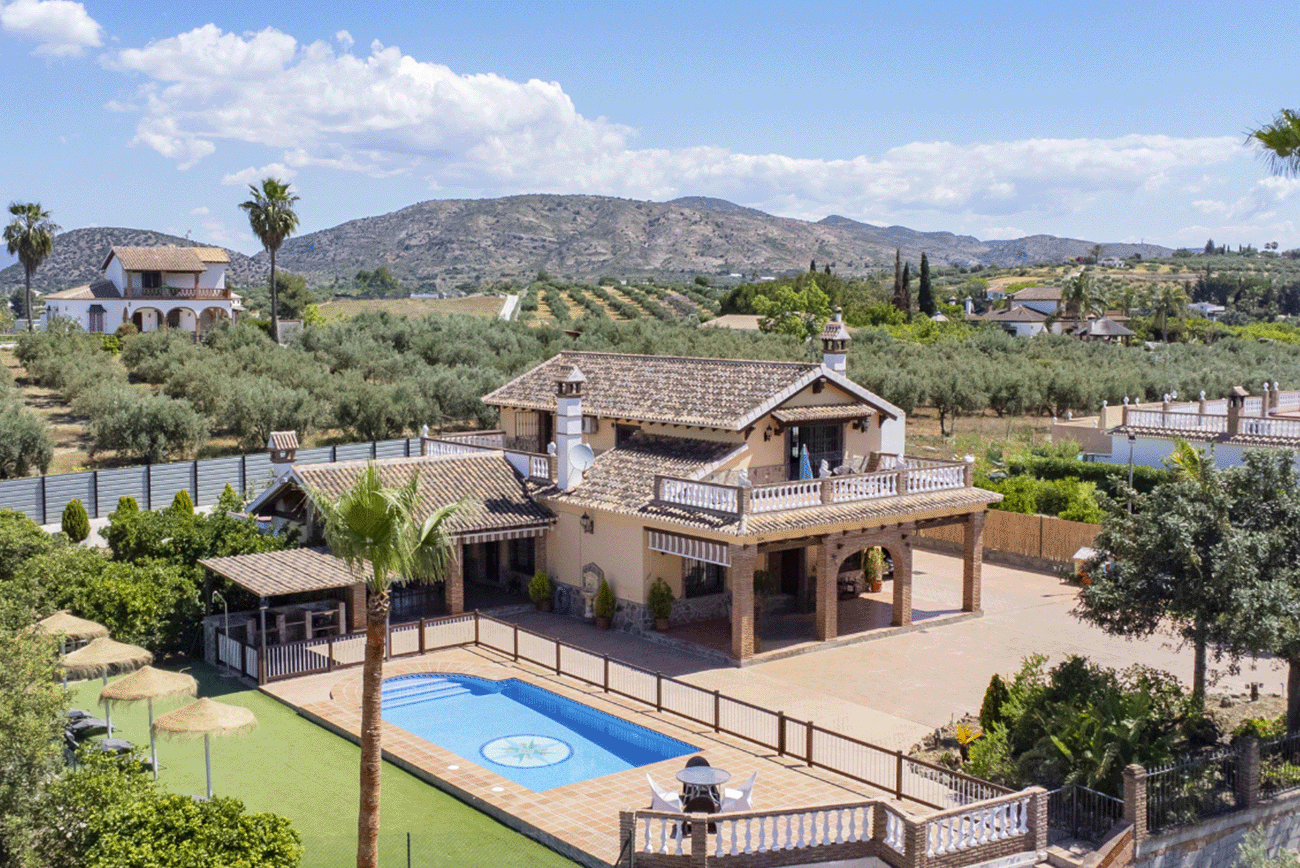
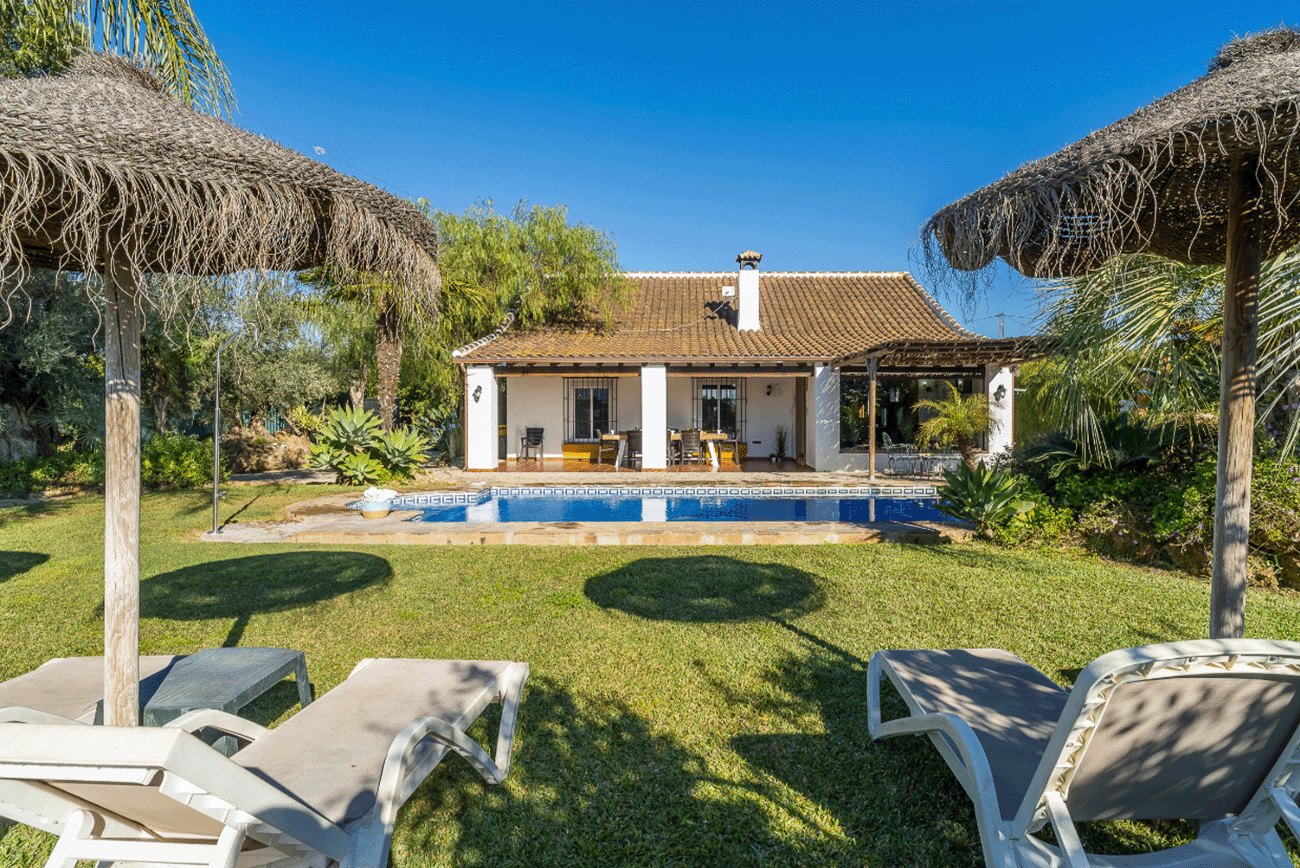
    In fact, our headquarters are right here in Alhaurín el Grande, and we know every corner of the Guadalhorce Valley. What’s more, we have the best properties so that, after a day packed with excitement, you can relax in your own home with a swimming pool, terrace and all the comforts you need.
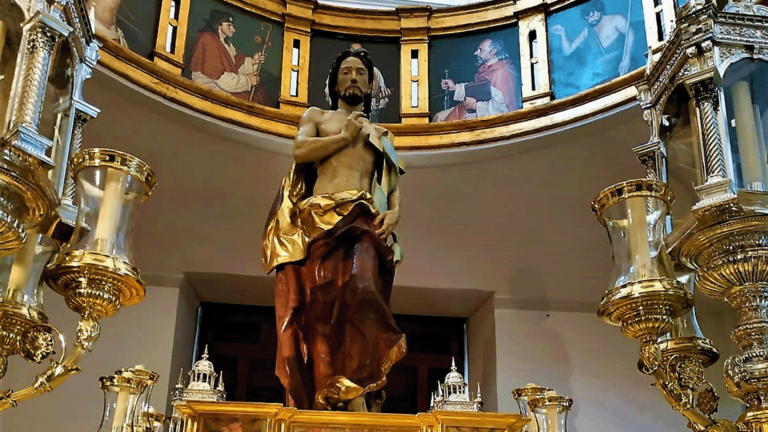
  • Holy Week in Málaga 2026: Complete guide, timetables and routes

    Holy Week in Málaga 2026: Complete guide, timetables and routes

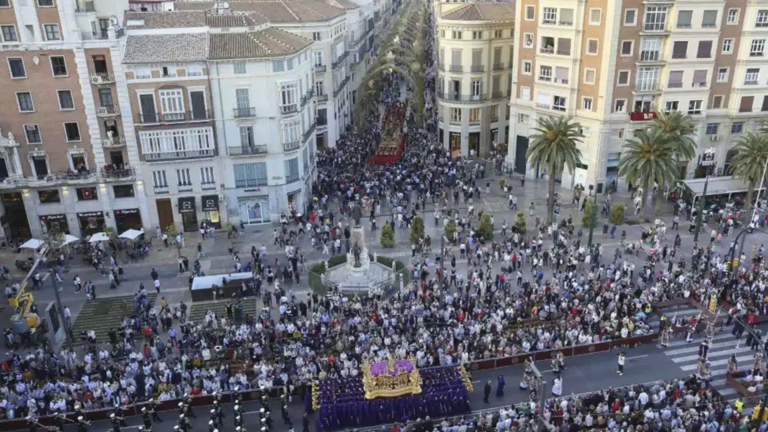
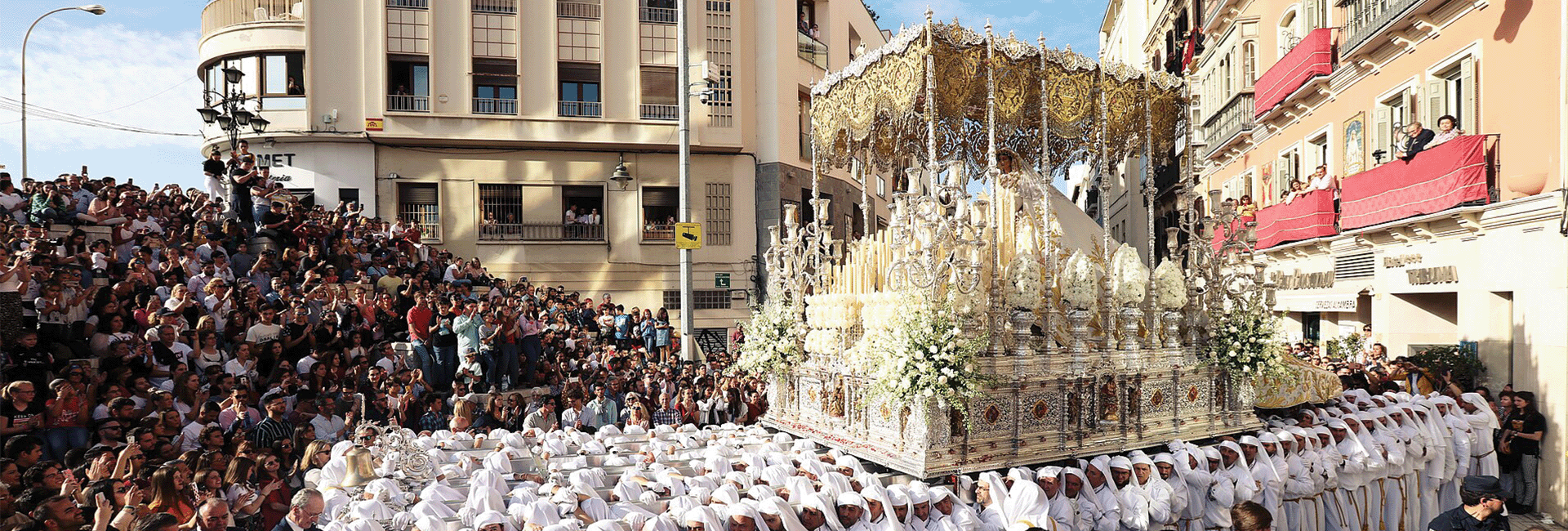
    Holy Week in Málaga in 2026 is one of the most intense religious and cultural celebrations in Spain. Consequently, this festival, which takes place during the week leading up to Easter, attracts thousands of visitors every year who come to see the Holy Week processions in Málaga, renowned for their enormous floats, their processional music and the excitement that fills every street in the historic centre. Furthermore, Holy Week in Málaga has been designated a Festival of International Tourist Interest.

    Below, we’ll tell you everything you need to know so you don’t miss a single detail on your next visit.

    📅 Dates for Holy Week in Málaga 2026

    Holy Week in Málaga 2026 will take place from Sunday 29 March (Palm Sunday) to Sunday 5 April (Easter Sunday), during which time dozens of processions organised by the city’s various brotherhoods will take to the streets.

    🎨 Official poster and new features

    The 2026 poster, created by the artist Martín España from Vélez, features a striking and innovative three-dimensional visual design with the Virgen de la Soledad de Mena as the central figure. As a result, this painting perfectly captures the devotion and aesthetic of the local brotherhoods, and has been very well received. Official Poster for Malaga Holy Week 2026
    Furthermore, among the new features of this year’s event, the enhanced organisation by the Association of Brotherhoods stands out. For example, alternative routes have been designed for some processions, with a view to improving the flow of crowds in the busiest areas. Finally, there will be a greater number of tourist information points where visitors can check itineraries and find out interesting facts in real time.

    📍 Best places to watch the Holy Week processions in Málaga

    The heart of the city is completely transformed. In fact, if you want to be sure of a good view, these are the favourite spots among the people of Málaga:
    • La Tribuna de los Pobres: Located at the end of Calle Carretería. There is also a set of freely accessible steps where the thrones are often rocked by hand.
    • The Official Route: This covers the Alameda Principal, Calle Larios and the Plaza de la Constitución. Although you’ll need a season ticket for a seat, strolling around the surrounding area allows you to admire the scale of the event.
    • The area around the Cathedral (Plaza del Obispo): Watching a throne manoeuvre to perform its ‘station of penance’ against the backdrop of the majestic façade is an unforgettable sight.
    • The processions and the ‘encierros’: Witnessing the start of the procession from a brotherhood house or the final effort of the bearers in the early hours of the morning is pure excitement.
    • Calle Carretería: One of the most traditional and photogenic streets in the old town.

    Tip: If you’re looking for a more dynamic experience, do venture off the main route to avoid the crowds. Finally, here is the itinerary from the Association of Brotherhoods.

    🕯️ Processions you can’t miss during Holy Week in Málaga

    In fact, Málaga is renowned for its immense sculptural processions, carried on the shoulders of hundreds of men and women. Here are some of the most iconic processions:

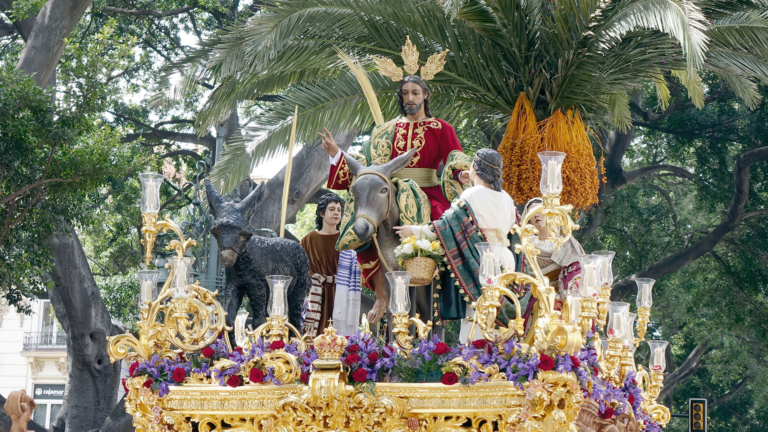
    • La Pollinica (Palm Sunday): The most joyful procession, which opens the week with Jesus’ entry into Jerusalem.
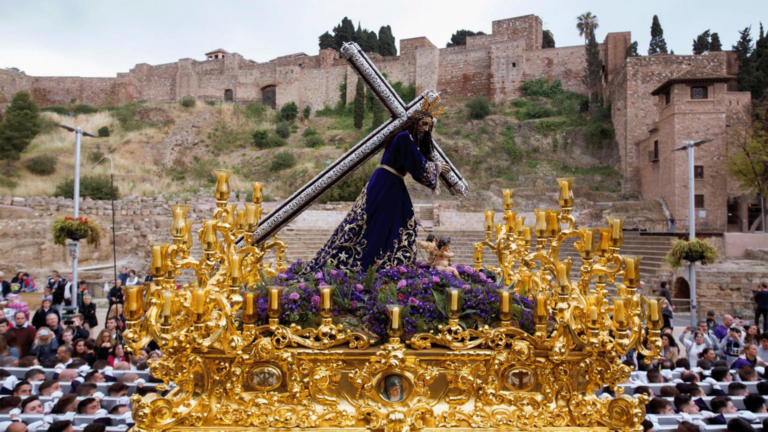
    • El Cautivo (Holy Monday): The ‘Lord of Málaga’ takes centre stage in the day’s most crowded and devout moment.
    • La Sentencia (Holy Tuesday): Renowned for the sheer scale and majesty of its procession.
    • El Rico (Holy Wednesday): Famous for the traditional release of a prisoner, a historic privilege granted by Charles III.
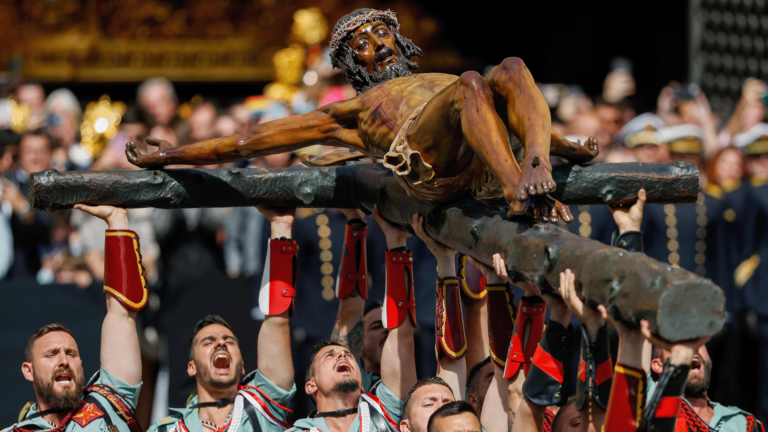
    • Cristo de la Buena Muerte (Maundy Thursday): The famous procession led by the Legion singing ‘El Novio de la Muerte’.
    • Servitas (Good Friday): A mournful procession in the early hours of the morning, during which the streetlights are switched off as the Virgen de los Dolores passes by.
    • El Resucitado (Easter Sunday): The grand finale, featuring an official representation of all the brotherhoods.

    In short, a total of 45 processions organised by Málaga’s brotherhoods take to the streets. We also recommend consulting up-to-date guides, such as La Opinión de Málaga’s Holy Week Guide 2026

    🍤 What to eat and what to do during Holy Week in Málaga

    Recharging your batteries is essential to keep up with the pace of the festivities, and the best way to do so is to try these options:

    • Traditional sweets: Torrijas, buñuelos and pestiños are the undisputed stars of Lenten baking.
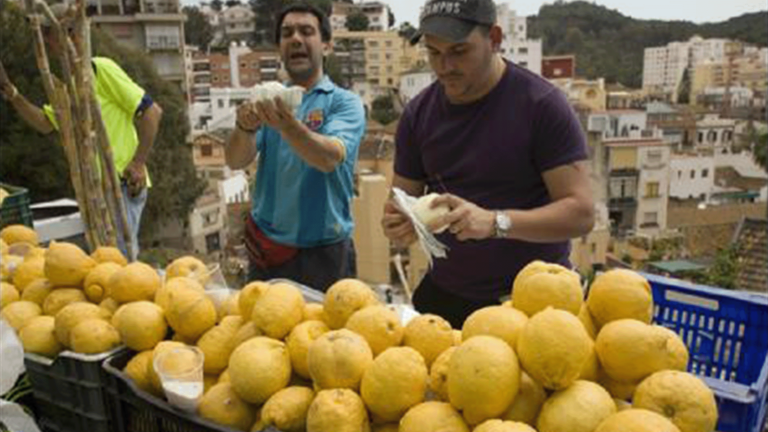
    • The “Limón Cascarudo”: The most traditional street snack. That is, slices of sweet lemon with a touch of salt to refresh the throat.
    • Vigil dishes: Traditional stews and portions of fried fish or cod are the stars of the show in the traditional taverns.
    • Morning church tour: Make the most of the mornings to visit the churches; you’ll be able to see the religious images up close and enjoy the scent of incense.
    • Panoramic terraces: Head up to the hotel rooftops for a drink and watch the sea of people from above.
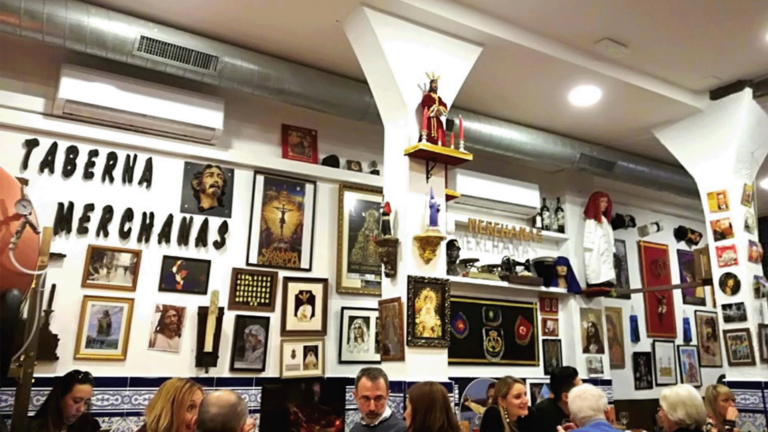
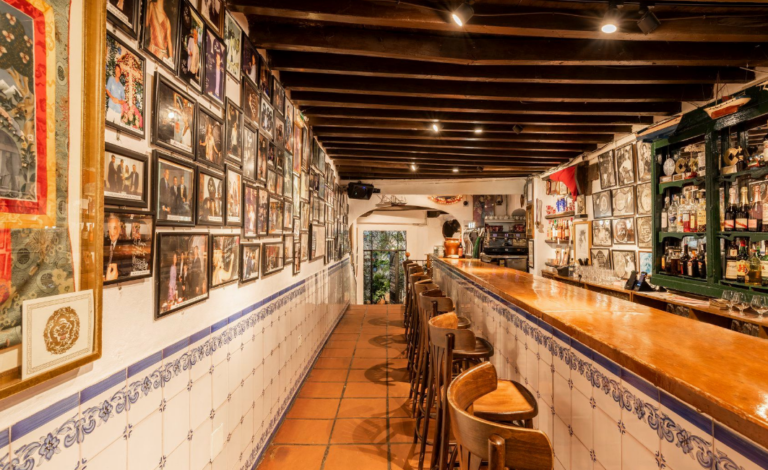
    • Brotherhood taverns: Places such as Las Merchanas, Entre Varales or Bar Nerva will immerse you in the atmosphere thanks to their carefully crafted themed décor.

    💡 Useful tips for getting around Málaga

    That said, logistics are key. Take note of these essential tips:

    • Use public transport: Trying to get there by car is a mistake. In other words, the Málaga Metro, EMT buses and the Cercanías train will be your best allies.
    • Check timetables and diversions: Services run more frequently in the early hours, but their usual stops may change. So, check the official apps before you set off.
    • Deal with the crowds: Key areas get extremely busy. For example, avoid rushing, keep an eye on your belongings and always hold children’s hands.
    • Choose comfortable footwear: You’ll be walking non-stop, and the pavement gets very slippery from the wax drippings of the candles.
    • Download ‘El Penitente’: This free app shows you where each leading cross is in real time via GPS.
    • Learn how to ‘cross the procession’: If you get stuck, look for the pedestrian crossings designated by the police and do not interrupt the lines of penitents.
    • Dress in layers: It’s warm during the day, but the sea breeze at night makes it feel much colder.

    🏡 Where to stay: Your ideal accommodation with Cubo’s Holiday Homes

    To make the most of this time of year, you need a good place to recharge your batteries. After hours on your feet, walking through crowds and admiring Málaga’s processions, there’s nothing quite like arriving at a peaceful spot with all the comforts of a real home.

    That’s why, at Cubo’s Holiday Homes, we have an exclusive selection of properties in Málaga, strategically located so you can enjoy Holy Week without compromising on comfort: your own kitchen, no strict timetables and a spacious living room to rest your feet. In fact, occupancy rates in spring are extremely high, so don’t leave it until the last minute.

    🕒 Timetable for the 2026 Holy Week processions in Málaga

    During Holy Week in Málaga 2026, the processions wind their way through the historic centre from early afternoon until the early hours of the morning. Furthermore, every day several brotherhoods set out from their respective brotherhood houses and follow the Official Route, which includes the Alameda Principal, Calle Larios and the Plaza de la Constitución.

    Timetables may vary from year to year, so it is advisable to check the up-to-date information published by the Association of Holy Week Brotherhoods of Málaga. Alternatively, the Diario Sur newspaper has published the daily itineraries, including route maps and timetables; you can view them here. 

    Conclusion

    Holy Week in Málaga is not only a religious celebration but also one of the most important cultural events in Andalusia. Spectacular processions, music, tradition and thousands of visitors transform the city into a unique setting during these days. In short, it doesn’t matter whether you’re a believer or simply passionate about culture and tradition; the allure, colour and joy of these days will completely captivate you. If you get the chance, experience it at least once in your life. You’re sure to come back!

    Frequently asked questions about Holy Week in Málaga

    When is Holy Week in Málaga in 2026?


     Holy Week in Málaga in 2026 will be held from Sunday 29 March to Sunday 5 April, beginning with Palm Sunday and ending with Easter Sunday.

     During Holy Week, 45 processions organised by the city’s brotherhoods take to the streets, winding their way through the historic centre throughout the week.

     Holy Week in Málaga draws in thousands of people. Many floats are carried by more than 200 men and women, accompanied by hundreds of penitents and marching bands who parade through the city for hours.

    Some of the most popular days are Palm Sunday, Holy Monday with the procession of El Cautivo, Maundy Thursday with the Cristo de la Buena Muerte accompanied by the Legion, and Good Friday, when the most solemn moments of the week take place.

  • Málaga Carnival 2026: a comprehensive guide for the whole province 🎭

    Málaga Carnival 2026: a comprehensive guide for the whole province 🎭

    Málaga Carnival 2026: a comprehensive guide for the whole province

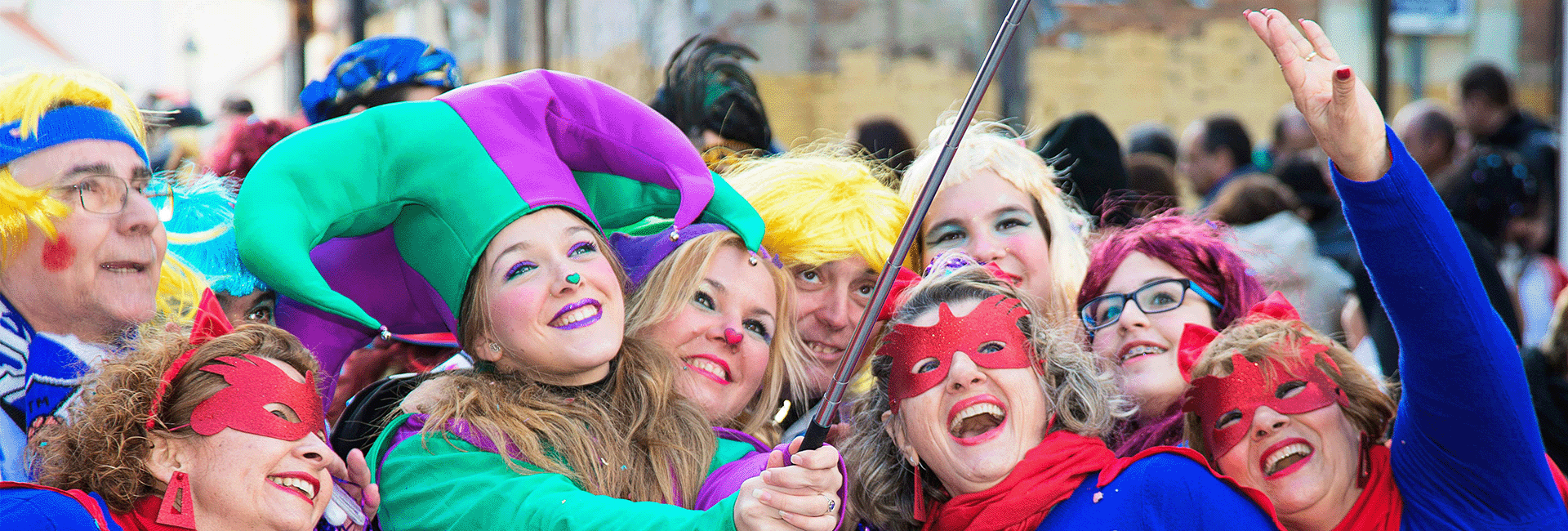
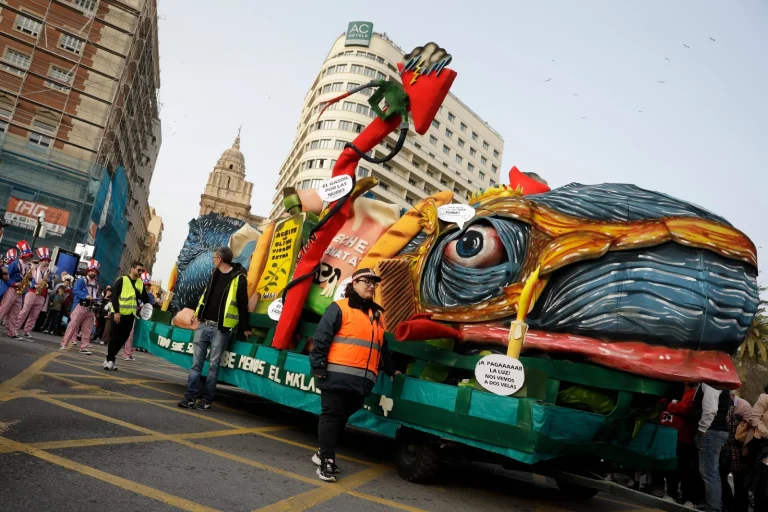
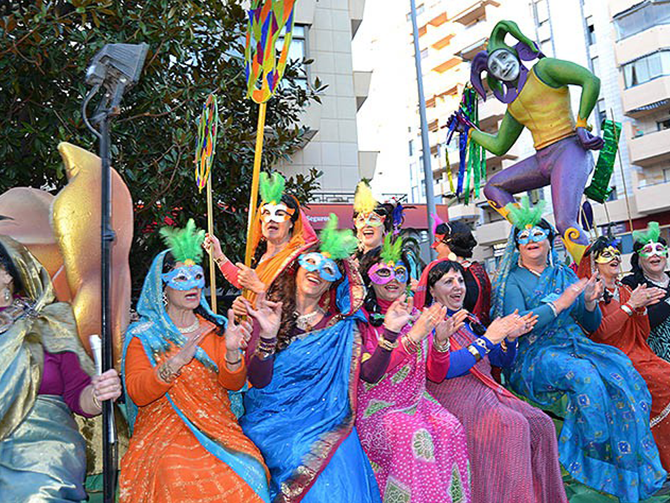
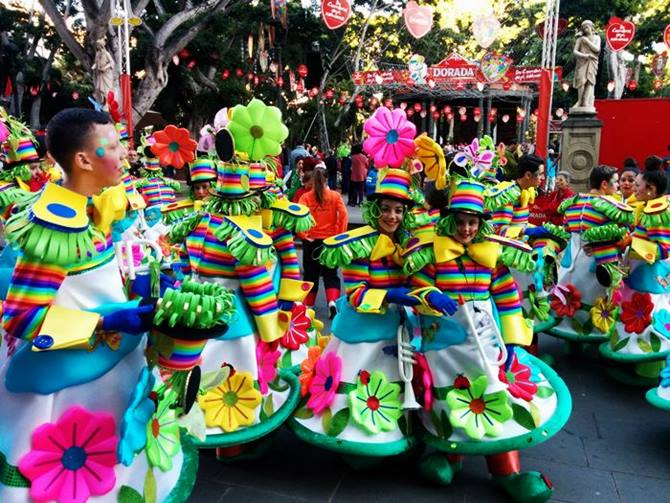
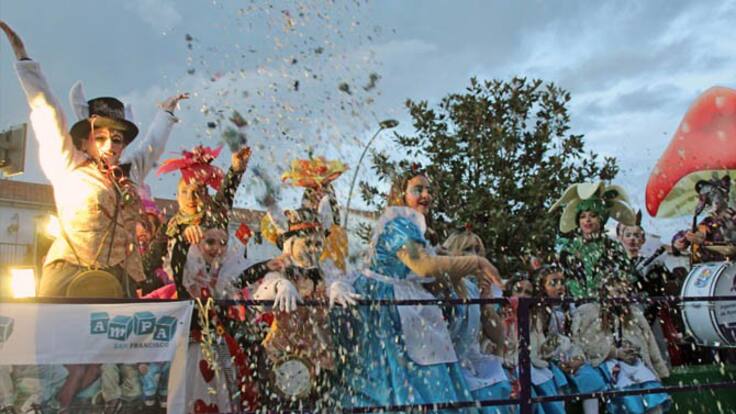
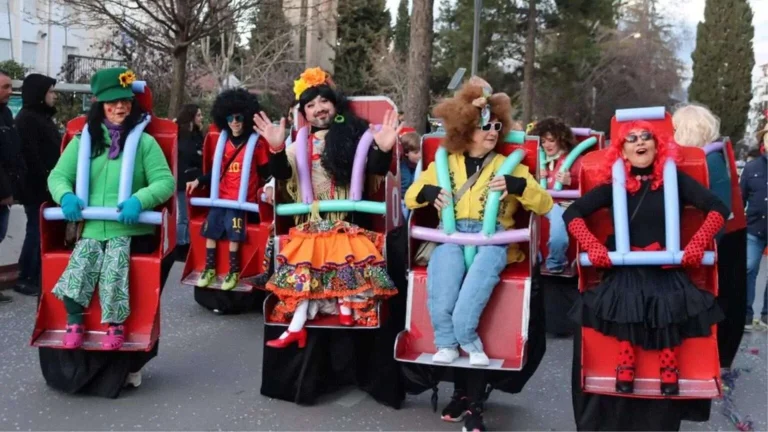
    Málaga Carnival 2026 will take place from 7 to 15 February and will fill the capital and numerous towns across the province with parades, competitions, fancy dress, music and traditional cuisine. This guide brings together the key dates, confirmed activities and the top spots for enjoying the carnival in Málaga in 2026.

    As well as the capital, towns such as Torremolinos, Benalmádena, Fuengirola, Vélez-Málaga and Marbella also hold their own carnival celebrations, allowing you to plan themed getaways across the province and visit less crowded spots in February.

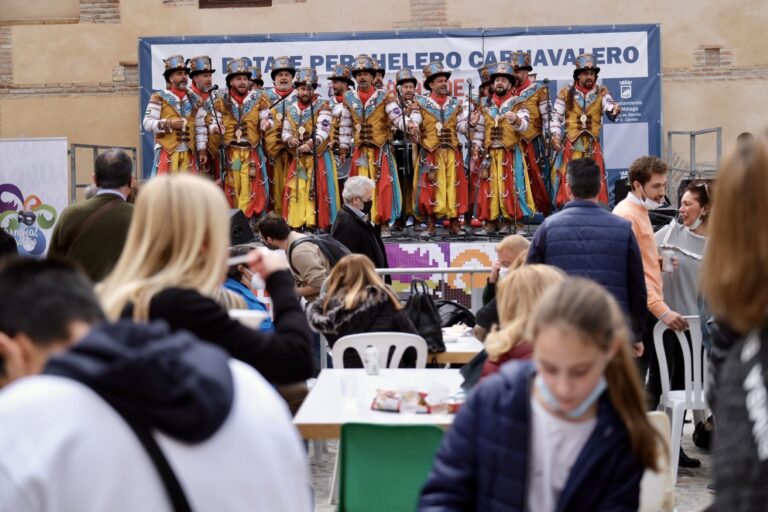
    The preliminary round of the COAC (Official Singing Groups Competition) will take place between 23 and 30 January at the Higher School of Dramatic Art (ESAD). The semi-finals will be held from 1 to 4 February at the Cervantes Theatre. Finally, the grand final is scheduled for Friday 6 February. Once the competition has finished, the following day the celebrations will begin in the streets of the city centre and in some of the city’s neighbourhoods. Below are the most important dates and events.

    📅 Key dates for the 2026 Málaga Carnival

    📍 1–4 February → COAC semi-finals at the Cervantes Theatre.

     📍 6 February → COAC final at the Cervantes Theatre.

     📍 7 February → Opening address, election of the Carnival God and Goddess, and street carnival. 

     📍 8 February → Parade and children’s competition.

     📍 12 February → Grand Final in the Plaza de la Constitución.

    📍 13–14 February → Drag Gala and Battle of the Flowers.

    📍 15 February → Grand Boqueroná and Burial of the Boquerón.

    🎭 Málaga Carnival: programme and highlights

    Málaga city centre hosts the most extensive programme of events. Most of the activities are free and take place in the Plaza de la Constitución, Calle Larios, the Cervantes Theatre and neighbourhoods such as El Palo, El Perchel and Palma-Palmilla.

    Here are the best-known events of the Málaga Carnival:

    🎤 Official opening speech: marks the start of the carnival in the Plaza de la Constitución.

    👑 Election of the God and Goddess of Carnival: a symbolic event that is very popular with the people of Málaga.

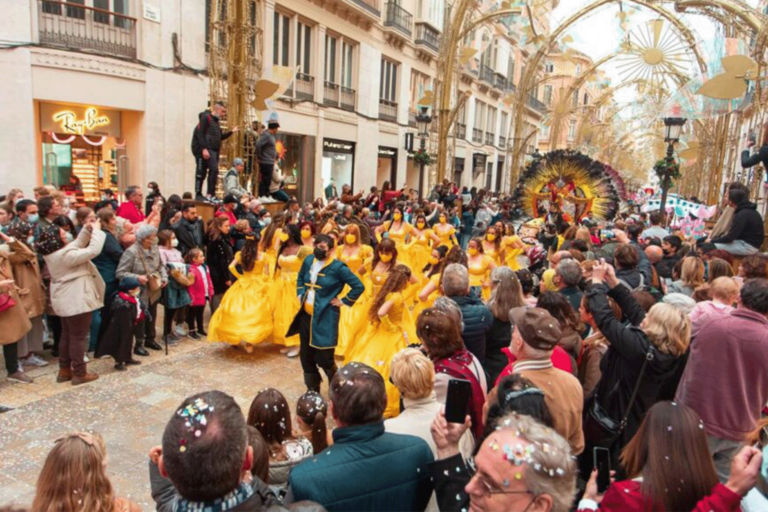
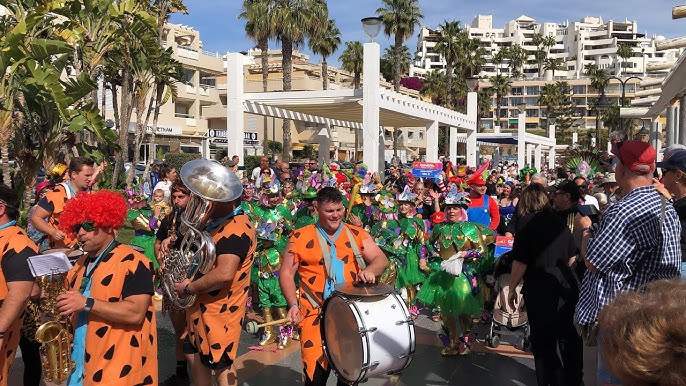
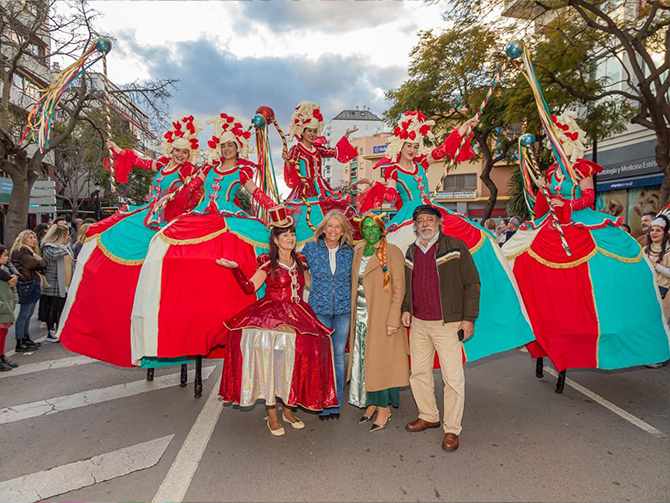
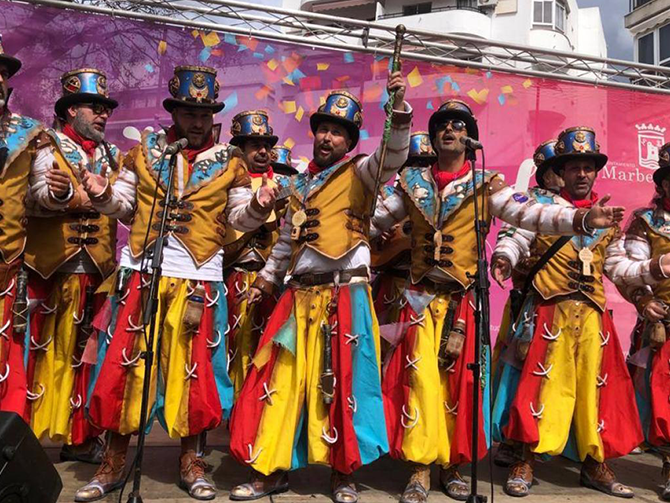
    🎺 Parade and fancy dress competitions: parades that fill the historic centre with colour and live performances.

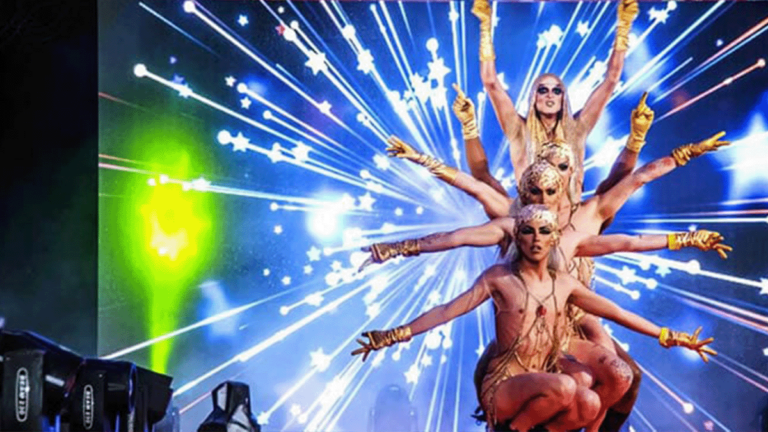
    🌈 Drag Gala: one of the most eye-catching and well-attended shows of the carnival.

    🌸 Battle of the Flowers: a battle of confetti and flowers held mainly on Calle Larios.

    🐟 Gran Boqueroná and Burial of the Anchovy: anchovy snacks for everyone and the traditional closing ceremony on La Malagueta Beach with the parade and the burial of the anchovy.

    Finally, the combination of daytime and evening events means that everyone can enjoy the 2026 Málaga Carnival, whatever their travel style: families, couples or groups of friends.

    🌍 Carnival in towns across the province

    As well as the capital, other towns also celebrate their own carnivals with parades, competitions and family-friendly activities.

    🥁 Torremolinos

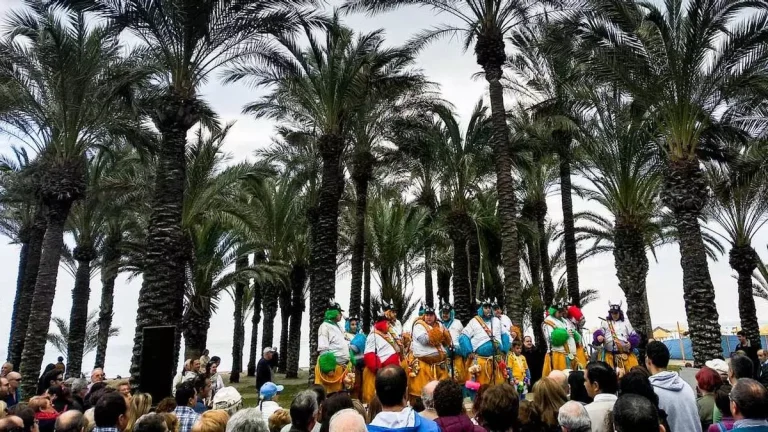
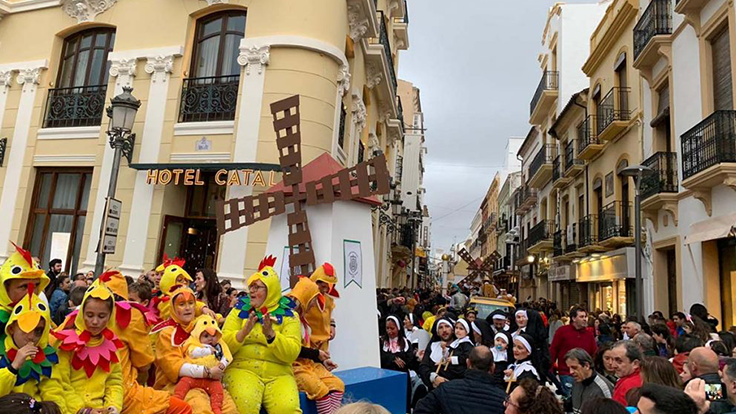
    In Torremolinos, Carnival is celebrated with great enthusiasm, a lively atmosphere and massive participation from the town’s residents. There are numerous activities, such as the ‘Chirigotas’ competition, the Carnival parade in La Carihuela, the children’s fancy dress competition and the Grand Carnival Ball at the Conference and Exhibition Centre. Furthermore, the Drag Queen Gala, a key event in the LGBTIQ+ community, will take place on 21 February. Finally, the traditional Burial of the Sardine is held near the San Miguel neighbourhood. 

    🎷 Benalmádena

    The Benalmádena Carnival takes place across Arroyo de la Miel, Benalmádena Pueblo and the Marina. The highlights include the batucada performances, the parades with floats, the group competition and the children’s parties in squares and parks. In addition, daytime events are held at the Marina, accompanied by dancing and carnival troupes. It is therefore an ideal destination for those looking for a Carnival by the sea. Finally, whilst there are no official dates yet for the Benalmádena Carnival, it is set to take place in mid- to late February. 

    👨‍👩‍👧 Fuengirola

    Fuengirola offers a very family-friendly Carnival, with neighbourhood parades, children’s workshops, entertainment and fancy dress competitions in central squares. In addition, events are usually organised in the Plaza de España, featuring local performances and music. In this case, the programme is accessible, convenient and highly rated by those travelling with children. Finally, it will take place during the first fortnight of February, although no official dates have been announced yet.

    🌆 Marbella and San Pedro de Alcántara

    Marbella celebrates its Carnival with parades through the town centre, fancy dress competitions, dances in the squares and activities for children. The Carnival begins with the Carnival Poster Competition in mid-January and ends in mid-February. Meanwhile, in San Pedro Alcántara, a separate programme is organised featuring street parades, school performances, bouncy castles, entertainment and music. In short, the combination of an urban setting and family-friendly activities ensures it is well received by locals and visitors alike.

    🌊 Estepona

    Now let’s talk about the Estepona Carnival, which takes place on 7 and 8 February. Here, the festivities are centred around squares and open spaces, where children’s and adults’ competitions, performances by local groups, parades and daytime carnival events featuring food and music take place. In the evening, there are usually live performances and dancing. In short, the programme allows you to enjoy both family-friendly activities and nightlife.

     🌄 Vélez-Málaga and Torre del Mar

    In Vélez-Málaga, the Carnival is held from 21 to 24 February (although the date has not yet been confirmed). It includes a grand parade along the main avenues, featuring groups, costumes and floats. In addition, children’s competitions, shows and music are organised in the town centre’s squares. In short, the town turns out in force onto the streets, creating a festive and friendly atmosphere.

    Torre del Mar celebrates its own Carnival from 11 to 14 February with parades, children’s entertainment and events along the seafront promenade, giving it a distinctly Mediterranean feel. There are also fancy dress competitions, performances and prize-giving ceremonies. In short, it’s a great option for anyone wanting to enjoy Carnival by the sea.

    🎺 Coín, Alhaurín el Grande, Alhaurín de la Torre, Cártama and Álora

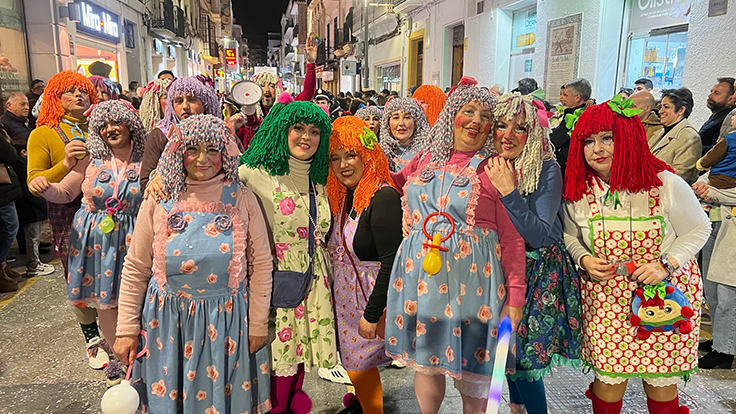
    The towns in the Guadalhorce Valley celebrate Carnival with parades, competitions, children’s entertainment, local groups and festivities in the town squares. What’s more, each town tailors the programme to its own style, offering intimate experiences that are ideal for those seeking a Carnival away from the crowds. In this case, the festivities take place throughout February and into early March. 

    🏘 Mijas Pueblo, Las Lagunas and La Cala

    Mijas has three towns, each celebrating Carnival in its own way: Mijas Pueblo with events in squares and charming narrow streets; Las Lagunas with parades, competitions and open-air stages; and La Cala with daytime Carnival, children’s performances and parades by the sea. Here, the variety on offer means you can choose according to your preferred style of celebration. Finally, it takes place in late February and early March. 

    🐟 Nerja

    Nerja offers a lively Carnival that usually includes parades, parties in the Plaza de España, children’s competitions, music and the ‘Entierro del Chanquete’ – a highly symbolic and entertaining event that brings the festivities to a humorous close. It takes place from 12 to 15 February. In short, it is one of the most picturesque carnivals on the eastern coast.

    🏞 Ronda

    Ronda comes alive with Carnival in its main streets, featuring parades along Carrera Espinel and events in the squares of the historic centre. It takes place from 14 to 22 February. There are also fancy dress competitions, children’s activities and performances by local groups. Against the backdrop of the impressive cityscape, the Carnival takes on a very special atmosphere.

    💡 Tips for enjoying the 2026 Málaga Carnival

    ✔ Book in advance if you’re travelling in February.
    ✔ Check timetables on each local council’s official website in the days leading up to the event.
    ✔ Arrive at the parades in good time to avoid the crowds.
    ✔ Use public transport to get around Málaga city centre more easily.
    ✔ Try the local cuisine (boquerones, pescaíto, tapas)

    🏨 Where to stay during Carnival

    Depending on your travel plans, you can choose:
    Málaga city centre: perfect for getting around on foot, experiencing the carnival and avoiding the need for a car. Here are the best places to stay.
    Costa del Sol: combine the beach with the carnival (Torremolinos, Benalmádena, Fuengirola).
    Inland towns: quieter family getaways where Carnival is also celebrated (Alhaurín el Grande, Coín, Cártama).
    In short, if you need accommodation, at Cubo’s Holidays Homes we’ll help you find the right option based on the number of people, location and type of trip.

    🔗 Useful links

    🎉 The province of Málaga awaits you in February

    The 2026 Málaga Carnival is one of the most colourful winter events in Andalusia. With confirmed dates, street events, competitions, music and local cuisine, it’s a unique opportunity to discover the province from a different perspective. Whether in the capital or in the coastal and inland towns, the carnival offers something for every type of traveller. Come and experience unforgettable moments.

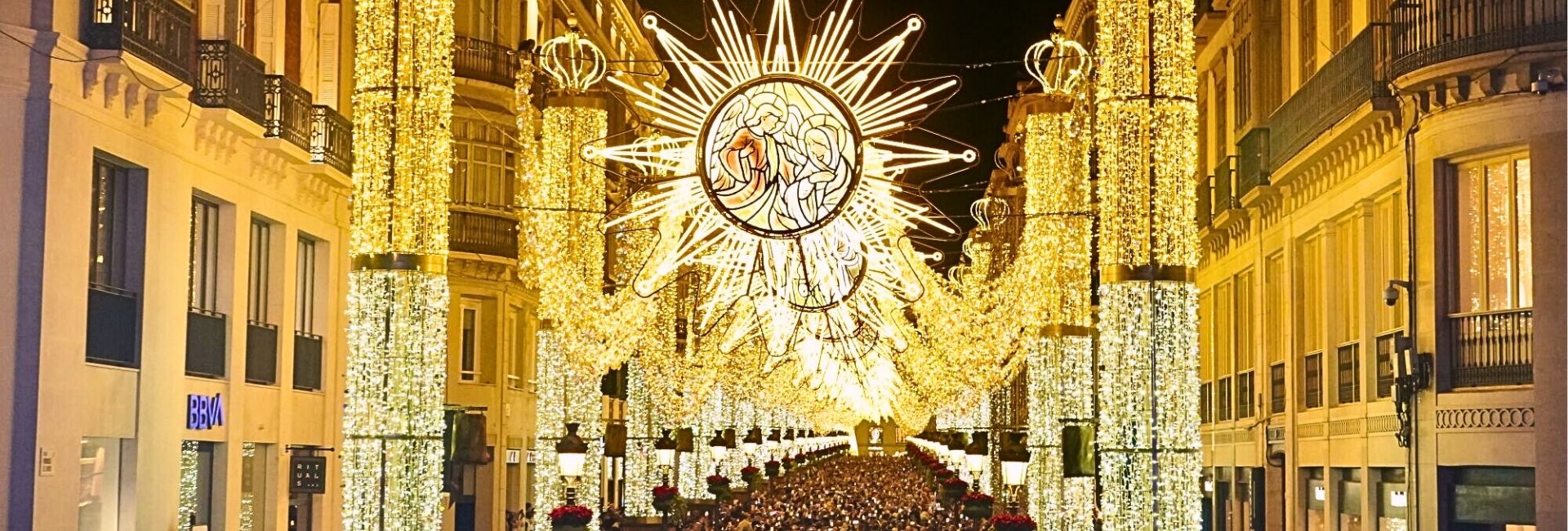
  • Christmas in Málaga: lights, a unique atmosphere and things to do to make the most of it ✨🎄

    Christmas in Málaga: lights, a unique atmosphere and things to do to make the most of it ✨🎄

    Christmas in Málaga has a special charm. Every year, thousands of visitors choose the city to experience a festive season brimming with colour, tradition, delicious food and a climate that’s perfect for a leisurely stroll. If you’re thinking of coming during these much-anticipated weeks, here’s a guide to the best things to do and everything that makes this time of year so special in our region.

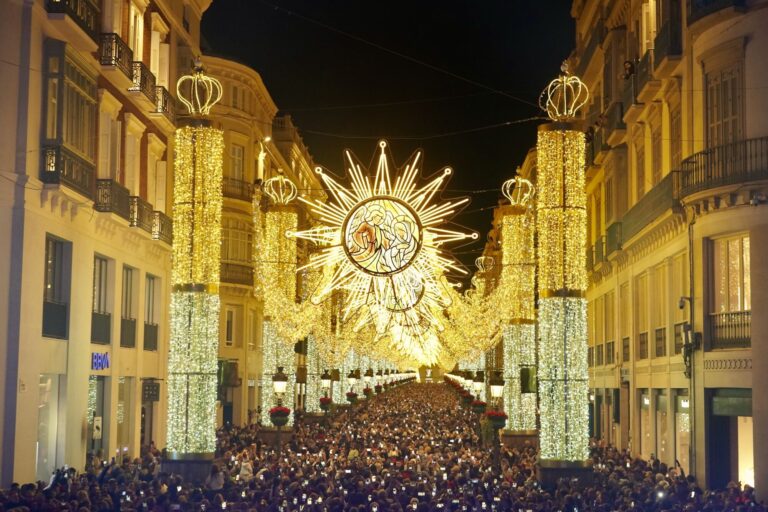
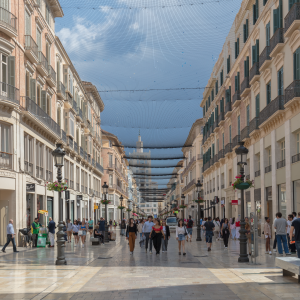
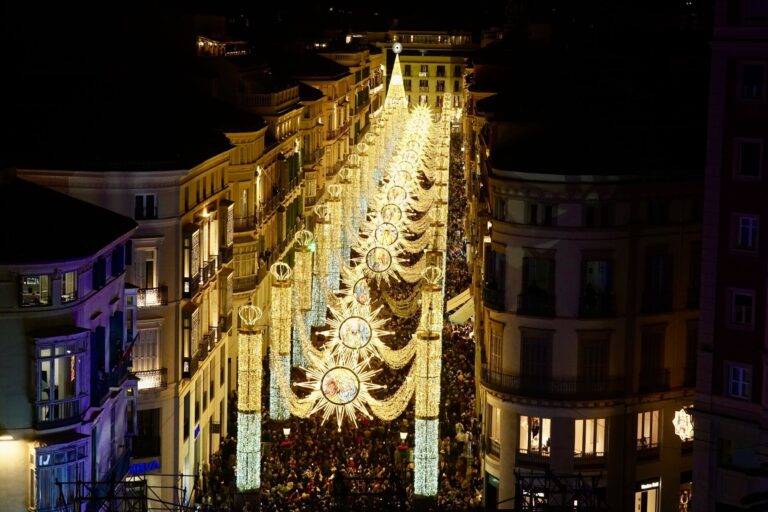
    The light display on Calle Larios ✨

    • The street is adorned with a display of lights that stretches the entire length of the street.

    • Every afternoon, there’s an illuminated musical show: the lights change, flash and ‘dance’ in time to Christmas songs.

    • The show lasts a few minutes, but the atmosphere before and after is part of the experience.

    • The show takes place every two hours; this year, the times are: 18:30 – 20:30 – 22:00.

    • Between shows, Larios Street remains lit up continuously so that people can stroll along at their leisure.

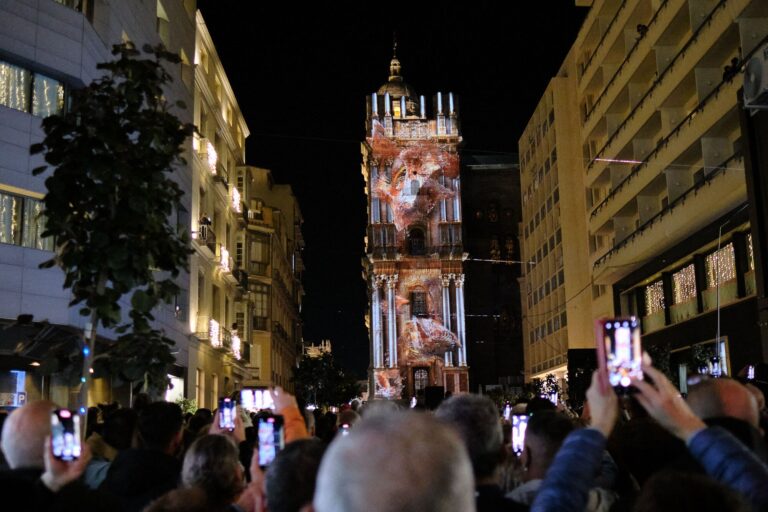
    The show at Málaga Cathedral 🎶🌟

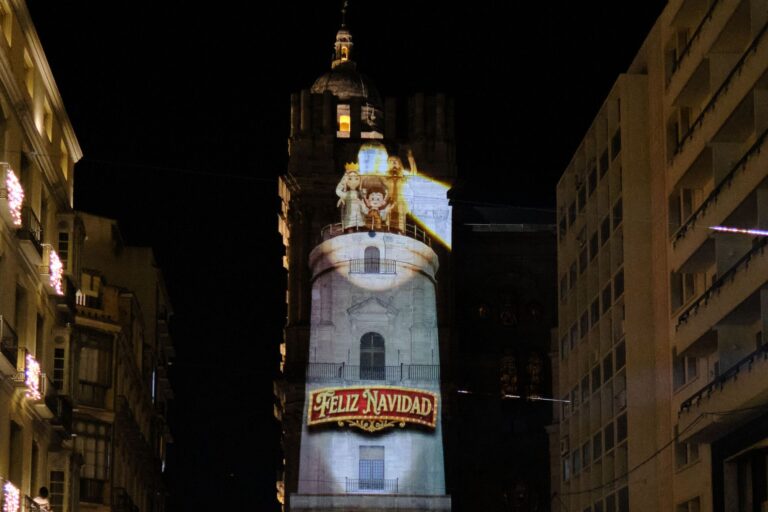
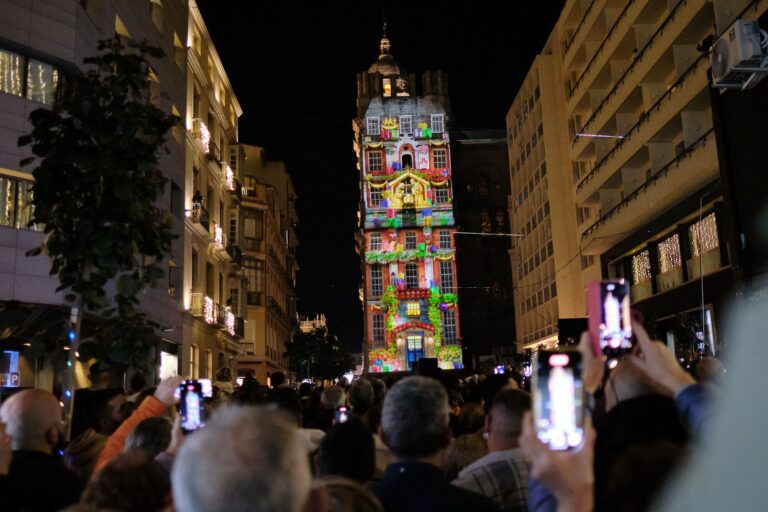
    • An audiovisual display is projected onto the side façade (next to Calle Postigo de los Abades).

    • The projection combines music and visual effects that transform the façade into a moving Christmas ‘fairy tale’.

    • It is repeated several times each evening, at the same time as the light show on Calle Larios. 

    Christmas markets and festive atmosphere 🎁

    Muelle Uno is decked out for Christmas with craft stalls, decorations, music and sea views you won’t find anywhere else. You’ll find gifts, local produce, accessories, sweets and a very relaxed atmosphere for a stroll, both day and night.

    The promenade alongside the Palmeral de las Sorpresas, with boats, lights and the sound of the sea, makes it an unmissable stop at this time of year.

    Streets such as San Juan, Strachan, Granada, Comedias and Alcazabilla are filled with decorations, music and people enjoying every corner. The terraces are bustling, the shops stay open late and the atmosphere invites you to take your time and enjoy the night.

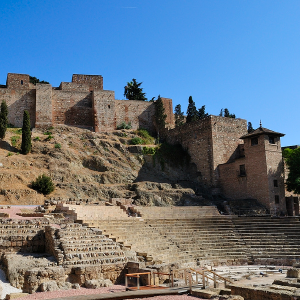
    The Alcazaba and the Roman Theatre, illuminated at night, add a touch of magic to the stroll.

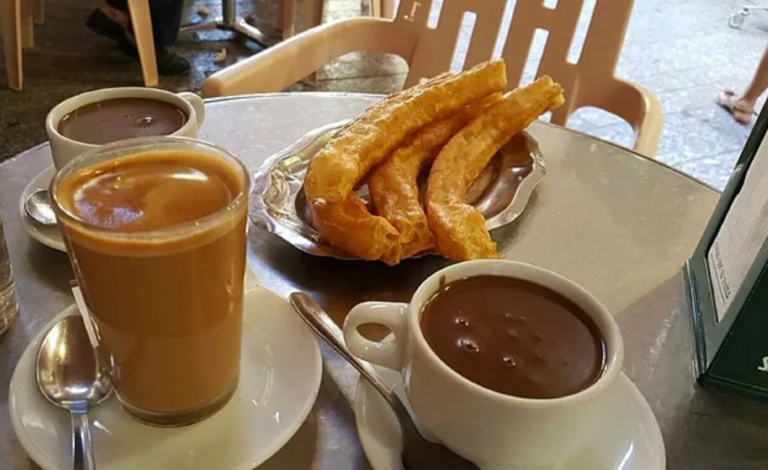
    A taste of Málaga: churros, hot chocolate and local cuisine 🍫🥨

    The historic centre is full of life in December: lights, bustling streets and plenty of places to stop for a bite to eat, enjoy some churros, sample some tapas or simply soak up the atmosphere. Here’s a clear and useful selection.

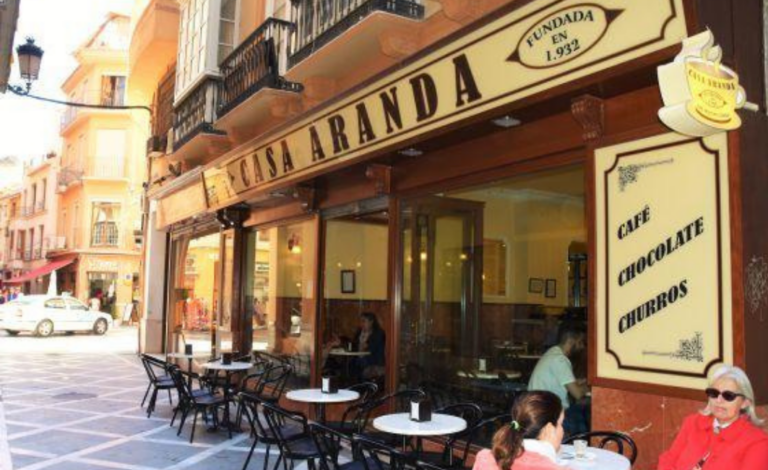
    1. Casa Aranda: A Málaga classic. Freshly made churros and porras.
    2. Churrería la Malagueña: Right in the centre, serving tejeringos and churros.
    3. El Pimpi: One of Málaga’s most popular spots. Tapas and Andalusian dishes with views of the Roman Theatre. 
    4. Mesón Mariano: Highly rated amongst locals. Homely Málaga cuisine.
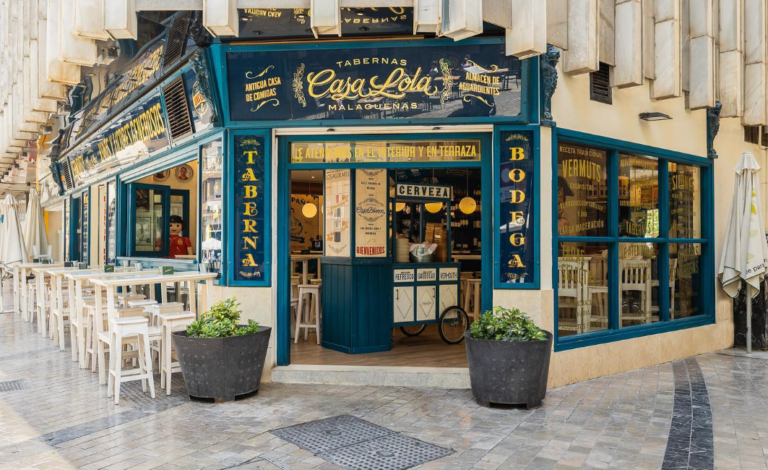
    5. Casa Lola: One of the most traditional spots for tapas. There are several branches in the city centre.

    All this and much more awaits you in Málaga – don’t miss out and stay with us for a dream Christmas!

  • Easter in Alhaurín el Grande 2025

    Easter in Alhaurín el Grande 2025

    If you’re thinking of taking a charming getaway this spring, Alhaurín el Grande awaits you from 13 to 20 April with one of the most special celebrations of the year: Holy Week. 

    A unique experience that combines faith, culture, cuisine and Andalusian atmosphere in every corner of the village.

    Why visit Alhaurín el Grande during Holy Week?

    During this time, the streets of the historic centre are transformed into a scene of emotion and devotion. Processions, live re-enactments of the story of Jesus and an atmosphere unlike any other in Málaga. The locals really get into the spirit of it, and even if you’re not religious, it’s a sight to behold. 

    Below is a summary of the most notable processions and events during this period:

    Holy Wednesday (16 April):

     At 9.00 pm: Live re-enactment of The Last Supper at the Convent Chapel.

    Maundy Thursday (17 April): 

    At 5.00 pm: Entry of the Bugle and Drum Band.

    At 6.15 pm: Procession of María Santísima de la Soledad, starting from the Convent Chapel, accompanied by various bands and featuring scenes from the Passion of Christ. 

    At 9.15 pm: Reception of the National Police Force. 

    At 9.30 pm: Live re-enactment of the Trial of Jesus in Plaza Nueva. 

    At 10.15 pm: Procession of Nuestro Padre Jesús Nazareno, accompanied by the bands of his brotherhood, featuring a live re-enactment of the ‘Paso de Jesús Cautivo’. 

    Good Friday (18 April): 

    At 5.30 pm: Live re-enactment in Plaza Nueva of the presentation of the cross to Jesus. 

    At 6.15 pm: Procession of Our Father Jesus of Nazareth and Our Lady of Sorrows. During this procession, the three falls of Jesus under the cross are re-enacted, as well as the Virgin Mary’s encounters with Mary Magdalene and Veronica, amongst other events. At the end of the procession, the traditional ‘encounter’ between Our Father Jesus of Nazareth and Our Lady of Sorrows will take place. 

    At 9.15 pm: Re-enactment of the Crucifixion and death of Christ, in the Plaza del Convento. 

    At 10.45 pm: Procession of the Holy Burial of Christ, accompanied by the figures from the ‘Passion in Live’, and the brotherhood’s musical ensembles.

    Holy Saturday (19 April): 

    At 11.00 pm: Live re-enactment of the Resurrection of Christ in the Plaza Nueva.

    At 11.00 pm: Live re-enactment of the Resurrection of Christ in the Plaza del Convento.

    Easter Sunday (20 April): 

    At 1.00 pm: Procession of Our Father, the Risen Christ.

    A Taste of Holy Week in Alhaurín el Grande

    And, as is to be expected in Andalusia, Holy Week is also a culinary experience. In Alhaurín el Grande you’ll find traditional sweets such as:

    Torrijas

    Piononos

    Fried doughnuts

    You can try them at traditional bakeries such as El Rubio, Carnero, Guzmán, El Colmenero or Tita Gracia.

    Stay with us this Holy Week

    Can you imagine enjoying all this from a charming house, with views of the mountains and all the comforts?
    At Cubos Holiday Homes, we manage over 400 holiday rental properties in southern Spain, and Alhaurín is one of our star destinations.

    Book your accommodation now and experience Holy Week like a local, but with the comfort of feeling right at home.

  • Discover Holy Week in Alhaurín el Grande

    Discover Holy Week in Alhaurín el Grande

    Holy Week in Alhaurín el Grande has been designated an Event of National Tourist Interest in Andalusia; the town’s main festival has a unique character, not only because of the impressive live re-enactments of the Passion, Death and Resurrection of Jesus Christ – which are a hallmark of a town that throws itself wholeheartedly into its folklore – but also because of its majestic processions.

    Whether for its connection to local cuisine or the festival as a whole, Holy Week in Alhaurín el Grande is, above all, a distinctive celebration experienced with unrivalled intensity.

    Its live re-enactment of the Passion of Jesus and its friendly, welcoming atmosphere within the religious brotherhoods have made the town an unmissable destination for thousands of visitors from all corners of Spain.

    To experience this tradition more closely, you can search for our accommodation in the town by clicking here: CUBO’S HOLIDAY HOMES

    Palm Sunday, 24 March

    • 11.30 am
      • At the Parish Church of Nuestra Señora de la Encarnación
        • Mass and blessing of the palm branches

    Holy Tuesday, 26 March

    • 9.00 pm
      • At the Parish Church of Nuestra Señora de la Encarnación
        • Way of the Cross

    Holy Wednesday, 27 March

    • 11.00 am
      • At the Parish Church of Nuestra Señora de la Encarnación
        • Chrism Mass at the Cathedral
    • 9.00 pm
      • In the cloister of the Convent.
        • Live dramatisation of the following biblical passages: The Sacrifice of Isaac; The Parting of Mother and Son; The Stoning of the Adulteress; The Thirty Pieces of Silver; The Last Supper; The Agony in the Garden and The Arrest.

    Maundy Thursday, 28 March

    • 11.00 am
      • At the Chapel of the Holy True Cross
        • Lighting of candles at the throne of Our Lady of Solitude.
    • 12.00
      • At the Parish Church of Our Lady of the Incarnation
        • Mass of the Lord’s Supper
    • 4.45 pm
      • Entrance into the town by the Band of Bugles and Drums from the ‘Duque de Ahumada’ College of Young Guards in Valdemoro (Madrid), Honorary Senior Member of the Brotherhood.
    • 5.00 pm
      • At the Chapel of the Holy True Cross
        • Marian act of veneration in honour of Our Lady of Solitude, in preparation for the procession.
    • 6.00 pm
      • Procession of Our Lady of Solitude. From the Chapel of the Holy True Cross, following this route: Convento, Plaza Alta, Cruz, Real, San Sebastián, Molinos de Abajo, Piedras, Convento and back to the Chapel.
      • The procession will be accompanied by music from the ‘Duque de Ahumada’ College of Young Guards, as well as by our Brotherhood’s musical groups, and various scenes from the Bible and the Passion of Christ will be re-enacted.
      • The Romans, Judas and Caiaphas, together with Benjamin and Annas, lead the procession, which depicts Jesus’s journey in chains to the Sanhedrin and the torments and humiliations he had to endure. Accompanying Jesus are his Mother Mary, Mary Magdalene and his young disciple John, as well as the Holy Women.
    • 9.15 pm
      • At the Chapel of San Sebastián
        • Arrival and reception of the National Police Force, an Honorary Member of the Royal Brotherhood, to accompany the procession of Our Father Jesus of Nazareth.
    • 9.30 pm
      • Live re-enactment in Plaza Nueva of scenes from The Passion: Jesus’ trial before the Sanhedrin, St Peter’s denials, Jesus’ trial before Pilate (Part I) and Herod’s scorn.
    • 10.15 pm
      • Processional departure of Our Father Jesus of Nazareth, dressed as the Captive and accompanied by the Royal Brotherhood’s bands of bugles, drums and music. During the procession, there will be a live re-enactment of the ‘Paso de Jesús Cautivo’. Route: Calle Nueva, Callejoncillo, Plaza Alta, Cruz, Real, San Sebastián and back to the Chapel.

    Good Friday, 29 March

    • 12.00
      • Mass of the Lord’s Supper at the Parish Church of Nuestra Señora de la Encarnación.
    • 5.30 pm
      • Live re-enactment in Plaza Nueva of scenes from The Passion: Jesus’ Trial before Pilate (Part II), The Flagellation, The Sentence of Death and The Carrying of the Cross.
    • 6.15 pm
      • Processional departure of Our Father Jesus of Nazareth and Our Lady of Sorrows, accompanied by the two bugle and drum bands and the Royal Brotherhood’s marching band. The procession will feature the Venerable Relic of the Holy Lignum Crucis and of Mount Calvary belonging to the Royal Brotherhood. Route: San Sebastián, Real, Cruz, Plaza Alta, Callejoncillo, Calvario, Nueva and its chapel.
      • During the procession, the following scenes will be re-enacted live: Jesus carrying the Cross on his way to Calvary, the Encounter with Simon of Cyrene, the First Fall, the Encounter with the Virgin Mary and Mary Magdalene, the Encounter with Veronica and the Women of Jerusalem, the Second Fall, the Third Fall and the Arrival at Golgotha. Upon the arrival of Our Father Jesus of Nazareth and Our Lady of Sorrows at the former barracks on Calle Nueva, the traditional ‘Encounter’ between our Sacred Figures will take place.
    • 9.15 pm
      • Live re-enactment of Judas’s repentance, the Crucifixion, Death, Descent from the Cross and Burial of Christ in the Plaza del Convento
    • 10.45 pm
      • Solemn procession of the Holy Burial of Christ. Official Holy Week procession of Alhaurín el Grande. Following the usual route: Convento, Plaza Alta, Cruz, Real, San Sebastián, Molinos de Abajo, Piedras, Convento and on to its Chapel. Characters from the Live Passion will take part.

    Holy Saturday, 30 March

    • 12.00
      • Condolences to the Virgin Mary at the Parish Church of Nuestra Señora de la Encarnación.
    • 9.00 pm
      • Solemn Easter Vigil at the Parish Church of Nuestra Señora de la Encarnación.
    • 11.00 pm
      • In the courtyard of the Convent: re-enactment of the Resurrection of Christ.
      • In Plaza Nueva, a live re-enactment of the Resurrection of Our Lord Jesus Christ.

    Easter Sunday, 31 March

    • 12:00 
      • At the Parish Church of Nuestra Señora de la Encarnación.
        • Solemn Mass on Easter Sunday
    • 1.00 pm
      • Procession of Our Father, the Risen Christ: the Official Holy Week Procession of Alhaurín el Grande, starting from the Chapel of San Sebastián. Route: San Sebastián, Plaza Baja, Cilla, Cruz, Real, San Sebastián and its Chapel.

    Would you like to experience Holy Week in Alhaurín el Grande up close? Book one of our accommodation options and don’t miss a thing!

  • Discovering Cártama: The Traveller’s Guide

    Discovering Cártama: The Traveller’s Guide

    Explore Cártama, a charming village in Málaga, Spain. With its history, beautiful scenery and welcoming atmosphere, it offers an authentic taste of Andalusian life. Stroll through its picturesque streets, enjoy the delicious local food and soak up its vibrant culture.

    What to visit in Cártama?

    • Moorish Castle: Cártama’s Moorish castle, now in ruins but still imposing, was built to defend Málaga against invasions. Its Roman predecessor made use of the accessibility of the River Guadalhorce for strategic raids. A testament to bygone eras, this castle still evokes the region’s history and military significance.
    • Church of St Peter the Apostle: The church, built on the site of a mosque following the conquest by the Catholic Monarchs in 1502, plays a central role in the life of the town. An inscription on the exterior reveals its history. On the main feast day, 22 April, it houses the image of the city’s patron saint, making it a key centre for celebrations.
    • The Chapel of Our Lady of Los Remedios: The Virgin of Los Remedios, patron saint of Cártama, is venerated in the chapel throughout the year, but especially on 22 April, when the locals make a moving pilgrimage to the Church of St Paul the Apostle, carrying the image of the Virgin with them to celebrate her main feast day.

    What to eat in Cártama? Gastronomy:

    Places of interest near Cártama:

    Special dates in Cártama:

    Where to stay in Cártama?

    If you’d like to spend a few days’ holiday in Cártama, don’t hesitate to book one of our Cubo’s properties – you’re sure to find what you’re looking for and, of course, at the best price:

  • Discovering Alhaurín de la Torre: The Traveller’s Guide

    Discovering Alhaurín de la Torre: The Traveller’s Guide

    Alhaurín de la Torre is a village very close to Málaga. It is famous for its housing developments and villas, although it still retains some historic sites. The weather is mostly sunny and there are many cultural events throughout the year. It is a place well worth visiting.

    What to visit in Alhaurín de la Torre?

    • The Parish Church of San Sebastián in Alhaurín de la Torre: Right in the centre of Alhaurín, in the Plaza de la Concepción, stands a church that stands out as the town’s main historical and religious landmark. Its fascinating history includes its construction on the foundations of a mosque, the damage caused by a devastating earthquake and its subsequent restoration.
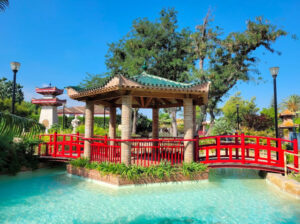
    • Bienquerido Oriental Garden: This is an Oriental-inspired park featuring numerous pagodas. It is divided by the Bienquerido Stream and has bridges connecting the two banks. The park is well-maintained and beautifully decorated, with a pond containing fish and turtles and a waterfall at the entrance. There is also a children’s play area, a Zen garden and exercise equipment.
    • Duck Park (historic centre): Alhaurín de la Torre Municipal Park, also known as ‘Duck Park’, is a beautiful spot in the village of Alhaurín el Grande, Málaga. It features a duck pond and a variety of trees and plants. It is a peaceful spot, surrounded by parks.

    • El Lagar Viewpoint: A viewpoint offering enchanting views of the Guadalhorce Valley.
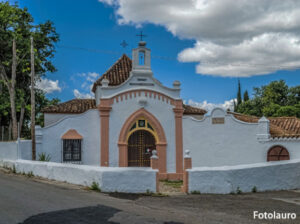
    • Alamillo Chapel: This site is believed to be the setting for miraculous events attributed to Saint Francis of Paola. Every Wednesday, the faithful walk the Stations of the Cross as a sign of gratitude to their patron saint.
    • Jabalcuza and Jarapalos: Wonderful walking routes surrounded by nature.
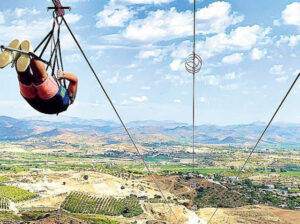
    • Sunview Park: The longest zip line in the whole of Andalusia is located at Sunview Park, an outdoor entertainment centre offering thrilling adventure activities in the town of Alhaurín de la Torre.

    What to eat in Alhaurín de la Torre? Gastronomy

    Places of interest near Alhaurín de la Torre

    Special dates in Alhaurín de la Torre:

    • Carnival: 8 March
    • Easter: 13 to 18 April
    • Pilgrimage: 14 and 15 June
    • San Juan Alhaurín de la Torre Fair: 25 to 29 June
    • You can find out about other local festivals and celebrations via this link: https://alhaurindelatorre.es/agenda/

    Where to stay in Alhaurín de la Torre?

    If you’d like to spend a few days’ holiday in Alhaurín de la Torre, don’t hesitate to book one of our Cubo’s properties – you’re sure to find what you’re looking for and, of course, at the best price:

  • Sustainable holiday accommodation that respects the environment

    Sustainable holiday accommodation that respects the environment

    Sustainable holiday rentals that respect the local environment

    Holiday rentals are an activity that needs to be environmentally sustainable from two perspectives: ecological sustainability and harmonious coexistence with neighbours.

    Sustainable holiday rentals are an increasingly popular trend in Spain and the rest of Europe, as they ensure a lower environmental impact whilst also providing a much more comfortable and accessible stay for every traveller; consequently, more and more hotels and accommodation providers have sought to adapt to this business model.

    Among the aspects of sustainable tourism most highly valued by the general public are environmental protection and the preservation of each region’s cultural heritage; furthermore, the support given to the local economy by the organisation or business often has a significant influence on each tourist’s perception.

    How to implement sustainable tourism

    Although sustainable tourism is currently a highly appealing business model, the truth is that to implement it properly, it is necessary to take its three fundamental principles into account, in order to ensure greater sustainability and provide a much more efficient service to users.

    Economic Sustainability

    Economic sustainability refers to the ability of each institution or organisation to support itself and meet its own needs independently; therefore, sustainable holiday rentals must be able to generate income internally, as well as employ local staff.

    Another highly recommended approach to ensuring the economic sustainability of any hotel or holiday rental is to source only local supplies, including furniture, food, decorations and even household appliances and electronic devices; in this way, it is possible to contribute to the financial growth of each local community.

    Social Sustainability

    Social sustainability, for its part, is an extremely important aspect, as it allows the cultural identity of each region to be properly showcased, which significantly enhances its unique appeal; it is therefore important to incorporate and make the most of local businesses to offer tourists a truly unique and unforgettable experience.

    It is also advisable to include a variety of activities that foster closer ties between tourists and the local community, as many travellers report that this kind of interaction significantly enhances their stay by providing a much more realistic insight into the specific circumstances of each locality or tourist destination.

    Environmental Sustainability

    At the same time, environmental sustainability is a major draw for most tourists; for this reason, it is essential to strive to minimise carbon dioxide emissions and other pollutants generated by the tourist complex, as well as to incorporate alternative and renewable energy sources.

  • Cultural centres in Alhaurín el Grande

    Cultural centres in Alhaurín el Grande

    If you enjoy culture, Alhaurín el Grande is a town with plenty of places to visit that you’re sure to enjoy. Without a doubt, the most iconic venue in the area is the Casa de la Cultura, a historic building linked to the cultural scene and the promotion of various forms of artistic expression.
    Tourists can marvel at the Casa de la Cultura in Alhaurín el Grande, a 19th-century building featuring beautifully preserved period craftsmanship; it also serves as a centre providing educational services and promoting social and cultural rights amongst local residents and visitors alike.
    The Antonio Gala Theatre has 500 seats available for cultural events; it is a spacious venue with a rehearsal room, dressing rooms and a lovely café-bar, all featuring colourful and elegant décor that invites you to take part in its programme.
    Its architecture is ideal for enjoying the events on offer, as its minimalist décor combines with spacious interiors and high ceilings, making access to the auditorium very convenient. It is named after the verses by Antonio Gala dedicated to Alhaurín.
    Broadly speaking, Alhaurín el Grande is home to several cultural centres offering interesting activities for all audiences, where themed programmes are organised in conjunction with the festivities put on by the local council. If all this isn’t enough for you, you can always take a short drive to Málaga city to enjoy the museums dotted throughout the city.